Losing a tooth is more common than people realize — but what many California patients don’t realize is how quickly the jawbone begins to shrink afterward. The longer you wait to replace a missing tooth, the more bone you lose… and the harder (and more expensive) it becomes to restore your smile later.
If your dentist mentioned bone loss or “bone resorption,” this guide explains what it really means, why it happens, and how dental implants stop the process.
Why Missing Teeth Cause Bone Loss — The Science Explained
Your natural teeth sit in the jawbone, and every time you chew, tiny pressure signals tell the bone to stay strong and healthy. This is called mechanical stimulation.
But when a tooth is missing:
- The bone in that area loses stimulation.
- Your body begins breaking it down because it thinks it’s no longer needed.
- The bone shrinks in width and height month after month.
Studies show that up to 25% of bone volume can be lost within the first year after a tooth is removed. After that, the bone continues shrinking every year.
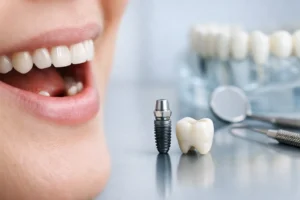
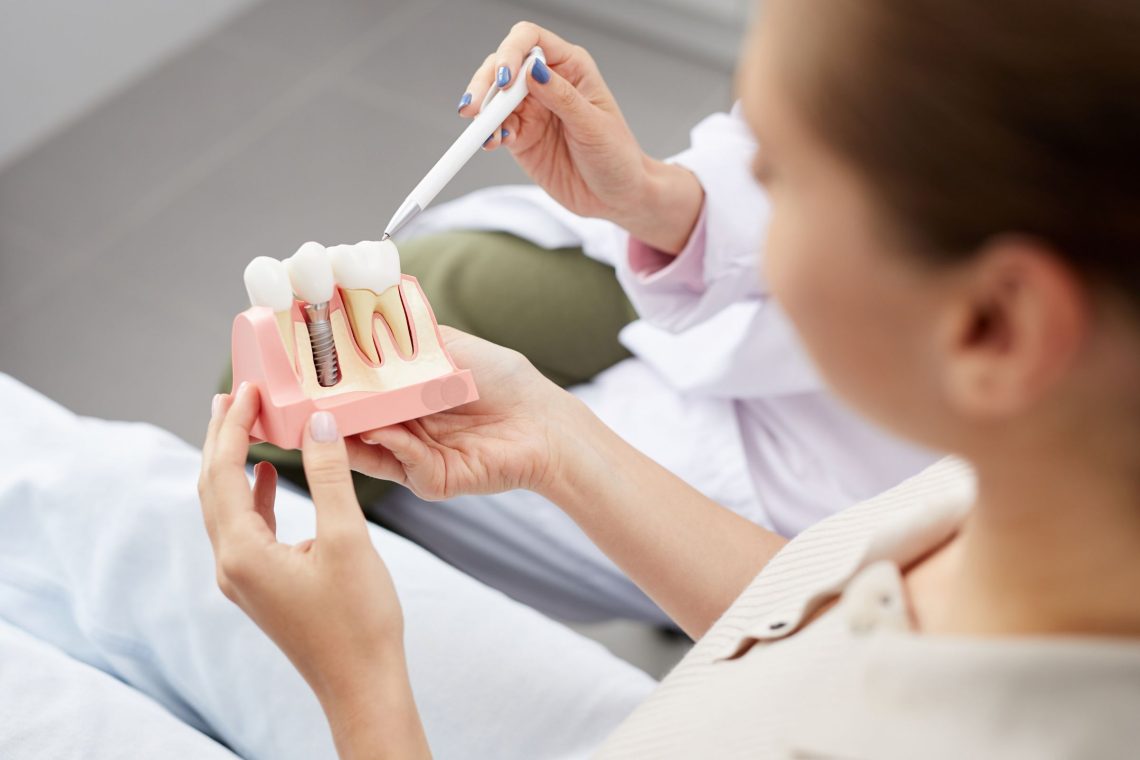
This is why early implant placement is always recommended. Dental implants stimulate the jawbone just like natural tooth roots, preventing long-term bone loss.
How Bone Loss Changes Your Facial Appearance
Patients often assume bone loss is only a dental problem, but it has major cosmetic effects.
Here’s what can happen over time:
- Collapsing facial profile (your face begins to look “sunken”)
- Deepening lines around the mouth
- Thinning lips
- Premature aging of the lower face
- Changes in bite and chewing function
The more teeth missing, the more dramatic the effect. Patients who delay replacement for years often require bone grafting before implants are possible — a process that adds cost and treatment time.
How Bone Loss Affects Your Other Teeth
A missing tooth creates a domino effect:
1. Surrounding teeth drift into the empty space
This leads to crooked spacing, bite problems, and cracks.
2. Opposing teeth over-erupt
If a lower tooth is missing, the upper tooth can extend downward because it has nothing to bite against.
3. Higher risk of gum disease
Spaces trap food and bacteria far easier.
4. Weakened bite force
Even one missing tooth can affect how the entire mouth functions.
Patients are often shocked at how quickly these changes happen.
Bone Loss Makes Implants Harder (and More Expensive)
If too much bone disappears, there may not be enough support for a dental implant. That’s when patients require:
- Sinus lift
- Bone grafting
- Ridge augmentation
- Soft tissue grafts
These procedures add months to treatment and increase cost.
But when patients receive implants early, they often avoid all of these complications.
Dental Implants Are the Only Tooth Replacement That Stops Bone Loss
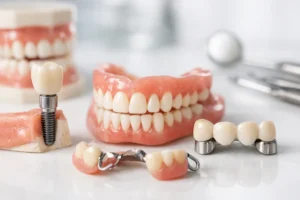
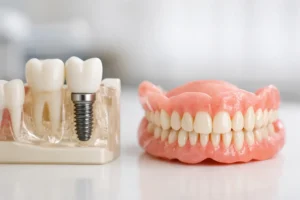
Dentures and bridges only replace the visible part of the tooth — not the root. So while they restore appearance, they do nothing to preserve bone.
Dental implants are different. Because they function like artificial roots, they:
- Stimulate the jawbone
- Prevent bone shrinkage
- Maintain facial structure
- Keep surrounding teeth stable
- Restore full chewing function
If you want to protect your jawbone long-term, implants are the gold standard.
To learn more about how implants work, see the Implant Process page on the California Dental Implants Specialists website
Warning Signs of Bone Loss You Should Not Ignore
You may already be experiencing bone loss if you notice:
- Dentures or partials becoming loose
- Food packing into new spaces
- A sunken or hollow look near the missing tooth
- Difficulty chewing on one side
- Gum recession or visible root surfaces
- Teeth shifting or crowding
- A collapsing bite or jaw clicking
Even if these symptoms seem mild, bone loss almost always gets worse without treatment.
How Soon Does Bone Loss Start After a Tooth Is Removed?
Most patients assume they have time — but bone loss begins almost immediately after extraction.
Here’s a realistic timeline:
- 0–3 months: Rapid bone shrinkage begins
- 3–12 months: Up to 25% bone loss
- 1–5 years: Progressive deterioration affecting surrounding teeth
- 5+ years: Severe jaw changes, often requiring grafting
This is why many implant centers, including California Dental Implants Specialists, recommend scheduling an evaluation as soon as possible after an extraction.
Treatment Options for Missing Tooth Bone Loss
1. Standard Dental Implants
Best when bone loss is mild or moderate.
They preserve bone and give you a permanent replacement tooth.
2. Bone Grafting
Used when bone loss is advanced but still repairable.
Grafting rebuilds lost bone so implants can be placed safely.
You can learn about grafting and other steps on the practice’s Implant FAQ page.
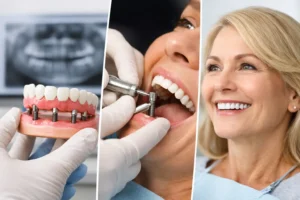
3. All-On-4 or All-On-X Full Mouth Implants
These full-arch solutions use strategic implant placement — often avoiding areas with severe bone loss.
The practice also offers All-On-X full mouth implants.
Why You Shouldn’t Rely on Dentures Alone
Dentures:
- Sit on the gums
- Do not stimulate bone
- Accelerate bone loss through pressure
- Make the jawbone shrink faster over time
This is why long-term denture wearers often see:
- A sunken appearance
- Poor denture fit
- Difficulty eating harder foods
- Frequent relines or full replacements
Implant-supported options avoid these problems completely.
How California Dental Implants Specialists Helps Prevent Bone Loss
Patients choose this practice because they provide:
- In-office 3D CT imaging for accurate bone measurement
- Advanced implant techniques for bone preservation
- Multiple office locations for convenience
- Affordable financing options and monthly payments
- Complimentary implant consultations
To explore financing, you can visit their Financing & Insurance page
Where to Get Help: Southern California Implant Center Locations
You can schedule a consultation at any of the practice’s implant centers:
Huntington Beach Location
California Dental Implants Specialists – Huntington Beach
📍 18800 Main St #110A, Huntington Beach, CA 92648
📞 714-418-4480
Pacifica (Huntington Beach) Location
California Dental Implants Specialists – Pacifica
📍 18800 Main St #110C, Huntington Beach, CA 92648
📞 714-418-4480
Marina del Rey Location
California Dental Implants Specialists – Marina
📍 4292 Lincoln Blvd, Marina del Rey, CA 90292
📞 310-905-8747
Downey Location
California Dental Implants Specialists – Downey
📍 8512 Paramount Blvd, Downey, CA 90240
📞 562-662-3773
You can view the full list on their Locations page
When Should You Replace a Missing Tooth?
The sooner, the better.
If you replace the tooth before bone loss becomes severe, your treatment is:
- Faster
- Less expensive
- More predictable
- More comfortable
Delaying replacement almost always increases complexity and cost later.
Final Takeaway: Bone Loss Is Preventable — If You Act Early
A missing tooth does more than affect your smile. It changes the structure of your jaw, leads to bone loss, and can create long-term complications.
But with dental implants, you can:
- Preserve your jawbone
- Maintain facial structure
- Protect surrounding teeth
- Restore natural chewing and confidence
If you’re missing a tooth — whether it’s recent or years old — scheduling a consultation now is the best way to protect your oral health.
California Dental Implants Specialists offers free implant consultations, with advanced imaging and personalized treatment planning at all four locations.