When dentures slip at dinner or missing teeth make it harder to chew, the problem is not just cosmetic. For many older adults, it affects nutrition, speech, confidence, and day-to-day comfort. That is why affordable dental implants for seniors have become such an important option – they can restore real function in a way that feels more secure, natural, and long-lasting.
The biggest concern, of course, is cost. Many seniors live on a fixed income, and the idea of implant treatment can sound out of reach at first. But affordability is not just about finding the lowest advertised price. It is about choosing the right treatment plan, understanding what is included, and investing in a solution that can hold up well over time.
Why seniors often need a different conversation about implants
Dental implant treatment for a 35-year-old and a 75-year-old is not always the same discussion. Seniors are often weighing several factors at once: bone loss, old dental work that is failing, unstable dentures, multiple missing teeth, and a desire to avoid repeated short-term fixes.
That is why the best implant planning starts with function, not sales language. Can you chew comfortably? Are you avoiding certain foods? Do loose dentures make social situations stressful? Has tooth loss changed the way your face looks or the way you speak? These are the issues that matter most.
Age alone does not rule someone out for implants. Many seniors are excellent candidates. What matters more is overall health, jawbone condition, oral health, and the type of restoration being considered. A careful consultation with imaging and a clear treatment plan usually answers those questions quickly.
What makes dental implants affordable
The word affordable means different things to different families. For some, it means the lowest upfront price. For others, it means a monthly payment they can manage. For many seniors, it means avoiding a cycle of repairs, adhesives, relines, and replacements that never really solve the problem.
Affordable dental implants for seniors usually come down to five practical factors: how many teeth need to be replaced, whether bone grafting is needed, what type of restoration is best, whether insurance can help, and whether financing is available.
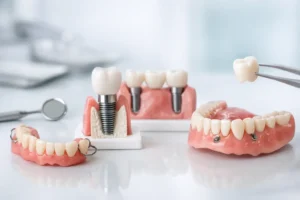
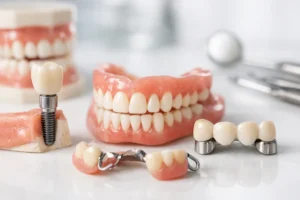
A single missing tooth is a very different case from full-mouth tooth replacement. If one or two teeth are missing, a single implant or implant bridge may be the most efficient approach. If most or all teeth are missing, implant-supported dentures or full-arch solutions like All-On-4 or All-On-X may deliver more value than replacing each tooth one by one.
This is where patients can save money without cutting corners. A well-designed full-arch solution can often restore an entire upper or lower row of teeth using a limited number of implants. That reduces complexity while still giving you a fixed, stable result.
Lower price vs better value
A very low price can sound appealing, especially when you are comparing offices online. But seniors should look closely at what is actually included. Some advertised implant prices may apply only to one part of treatment, not the complete process. Others may not include imaging, extractions, the abutment, or the final restoration.
True value comes from clarity. You want to know what your treatment includes, how long it is expected to last, what technology is used to plan placement, and who is performing the work. An implant that is placed precisely and restored properly can support comfort and function for many years. A bargain treatment that leaves out key steps may cost less now and much more later.
That does not mean affordable care is impossible. It means affordable care should still be specialist-driven, transparent, and built around long-term success.
Which implant options may work best for seniors
Not every senior needs the same type of treatment, and that is actually good news from a cost standpoint. The most appropriate solution is often more efficient than patients expect.
Single-tooth and small-span options
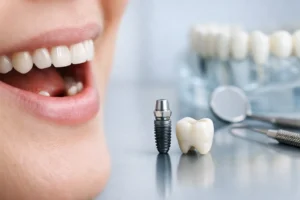
If you have lost one tooth or a few teeth in the same area, a single implant or implant-supported bridge may be the right fit. These options help preserve chewing ability and keep nearby teeth from carrying extra stress. They are often ideal for seniors who still have many healthy natural teeth.
Implant-supported dentures
For patients who already wear dentures, implant support can be life-changing. Instead of relying on suction or adhesive, the denture connects more securely to implants. That can improve stability when eating and speaking, while reducing movement and irritation.
This option is often more affordable than a fully fixed full-arch bridge, while still offering a major upgrade over traditional removable dentures.
Full-mouth implants
If many teeth are missing, broken down, or no longer restorable, full-arch implant treatment may offer the best long-term value. Solutions such as All-On-4 and All-On-X are designed to restore a full upper or lower arch with fewer implants than many patients assume.
For seniors who are tired of failing dental work and constant maintenance, this can be the point where treatment becomes simpler rather than more complicated. Instead of patching one tooth at a time, the entire foundation is rebuilt with stability in mind.
Can seniors with bone loss still get implants?
This is one of the most common concerns, and the answer is often yes. Bone loss is common after years of missing teeth or long-term denture wear. But modern planning, digital CT imaging, and advanced implant techniques have made treatment possible for many patients who may have been told years ago that implants were not an option.
Sometimes bone grafting is recommended. Sometimes a different implant angle or full-arch design can reduce the need for additional procedures. It depends on your anatomy and goals. The key is getting a real evaluation rather than assuming you are not a candidate.
For many seniors, that conversation alone brings relief. They are not looking for guesswork. They want straightforward answers, realistic expectations, and a plan that respects both their health and their budget.
How financing and insurance can help
For seniors, affordability often comes from payment structure, not just sticker price. If treatment can be spread into manageable payments, it becomes much more realistic.
Some dental practices offer financing that helps patients start treatment sooner without paying the full amount upfront. Insurance may also help with certain parts of care, depending on the plan. While dental insurance does not always cover every implant-related cost, it may contribute to extractions, imaging, or restorations in some cases.
This is one reason a consultation matters so much. A clear financial breakdown can show what is covered, what is not, and what options exist to make treatment work. Many patients feel far more comfortable once the numbers are organized in a practical way.
What to look for in a provider
Seniors comparing implant offices should pay attention to more than promotions. Price matters, but so do experience, planning, and patient support.
Look for a practice that focuses heavily on implant treatment, uses modern diagnostic technology, and explains options without pressure. A thorough consultation should make you feel informed, not rushed. You should understand the benefits, the trade-offs, the timeline, and the financial path before making a decision.
This is especially important for full-mouth cases and complex restorative work. Precision matters. So does communication. When patients feel cared for and clearly guided, the process feels much less intimidating.
In Southern California, many seniors are also looking for convenience – multiple office locations, accessible scheduling, and a team that understands how to coordinate treatment efficiently. California Dental Implants Specialists has built its approach around that kind of patient-friendly access, along with advanced implant care and affordable pathways to treatment.
The emotional side of getting your teeth back
Cost is the practical question, but it is rarely the only one. Many seniors also worry about whether implants are worth it at this stage of life. That concern is understandable, but it often changes once patients picture what daily life could feel like with stronger chewing, clearer speech, and more confidence in social settings.
Being able to eat comfortably is not a luxury. Neither is feeling secure when you smile or talk. Restoring missing teeth can support quality of life in ways that go far beyond appearance.
If you have been putting off treatment because you assume implants are too expensive, too complicated, or no longer an option for your age group, it may be time to ask better questions. The right plan is not always the biggest plan or the cheapest plan. It is the one that restores comfort, function, and peace of mind in a way you can realistically move forward with.
A good consultation can do more than provide a quote. It can show you that getting your smile back may be more achievable than you thought.