If you are weighing affordable dental implants and dentures, you are probably not just thinking about teeth. You are thinking about eating without worry, speaking clearly at work or with family, and feeling like yourself again when you smile. Cost matters, but so does getting a solution that actually fits your life.
For many patients, the real question is not implants versus dentures in the abstract. It is which option gives you the right balance of affordability, comfort, stability, and long-term value. That answer depends on how many teeth are missing, the health of your jawbone and gums, and how permanent you want your result to be.
Affordable dental implants and dentures: what is the difference?
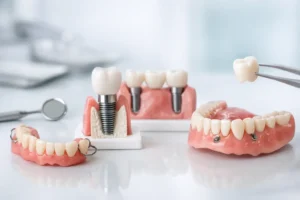
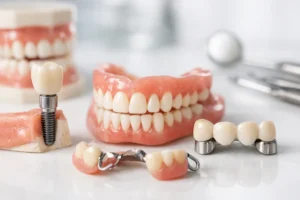
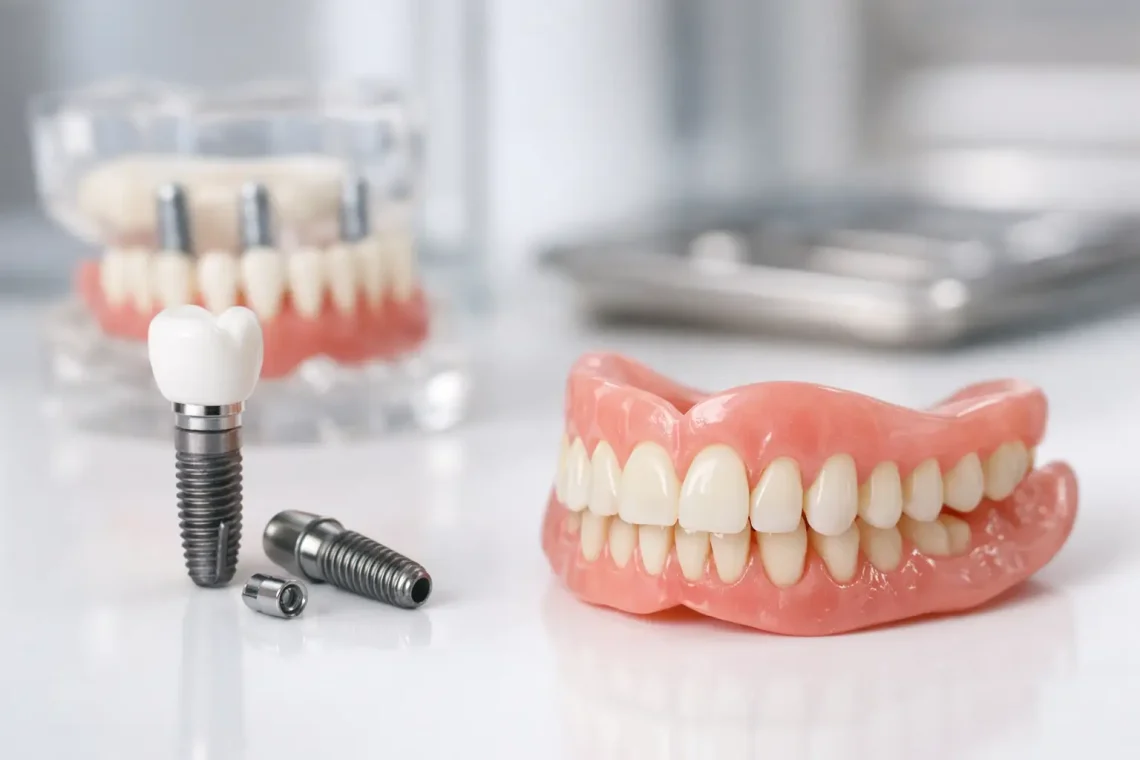
Dentures are removable tooth replacements. Traditional full dentures sit on top of the gums and replace an entire upper or lower arch. Partial dentures replace several missing teeth and usually attach around remaining natural teeth.
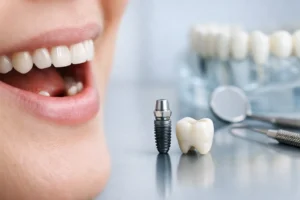
Dental implants are small titanium posts placed in the jawbone to replace missing tooth roots. After healing, they support a crown, bridge, or denture. Because implants are anchored in bone, they feel more stable and function more like natural teeth.
The biggest day-to-day difference is movement. Traditional dentures can shift, rub, or lose suction over time, especially on the lower arch. Implant-supported solutions are designed to stay put, which can make a major difference when you eat, laugh, and speak.
When dentures make sense
Dentures are often the lower upfront-cost option, which is why they remain a practical choice for many patients. If you need to replace a full arch quickly, or if you are looking for the simplest starting point financially, dentures may be the right place to begin.
They can also work well for patients who are not ready for surgery or who need a temporary solution while planning longer-term care. In some cases, a denture can restore appearance and basic function faster than a more involved implant process.
That said, affordability should not be measured only by the first bill. Traditional dentures may need relines, repairs, or replacement over time as the gums and jawbone change shape. What starts as the least expensive option can become less convenient and less comfortable in the years ahead.
When implants are worth the investment
Implants usually cost more upfront, but they often deliver more value over time. Because they are fixed in place, they can improve bite strength, help preserve jawbone, and reduce the slipping and sore spots that many denture wearers struggle with.
If you are missing one tooth, a single implant can replace it without relying on neighboring teeth for support. If you are missing several teeth, implant bridges may restore function in a more stable way than removable partials. If you are dealing with widespread tooth loss, full-mouth options such as All-On-4, All-On-X, or implant-supported dentures can be life-changing.
For many adults, the appeal is simple. They do not want a removable appliance if they can avoid it. They want to eat steak, apples, or salad with more confidence. They want speech that feels natural and a smile that does not need adhesive to stay in place.
The middle ground: implant-supported dentures
Patients often assume they have to choose between low-cost dentures and high-cost full-arch implants. In reality, there is a middle option that gives many people the best of both worlds.
Implant-supported dentures use a small number of implants to anchor a denture more securely. Depending on the treatment design, the denture may snap in and out for cleaning or be fixed in place by the doctor. Either way, the extra support can make a dramatic difference in stability and comfort.
This option is especially appealing for patients whose current dentures feel loose or frustrating. Instead of starting over with another removable denture that may loosen again, they can upgrade the foundation. In many cases, that means better chewing, less gum irritation, and more confidence in daily life.
What makes dental implants affordable?
Affordable does not mean cutting corners. It means making high-quality care more accessible through smart treatment planning, transparent pricing, financing options, and choosing the right solution for your needs instead of paying for more than you require.
A single missing tooth may not require a larger restorative plan. A patient with full-arch problems may be better served by a streamlined implant approach rather than piecing together multiple short-term fixes. The right plan can save money by reducing repeat treatment and improving long-term stability.
Promotional pricing, free consultations, insurance acceptance, and monthly financing can also change what feels possible. California Dental Implants Specialists has built its approach around this idea: specialist-level implant care should be within reach for more patients, not reserved for a small few.
Why the cheapest option is not always the most affordable
It is natural to compare price first. But when it comes to tooth replacement, the cheapest option on paper is not always the most affordable in real life.
A denture that slips can affect what you eat, how you speak, and how often you need adjustments. Tooth loss can also lead to continued bone loss in the jaw, which may change facial structure over time and make future treatment more complex. Implants can help support the bone and often provide a more predictable long-term result.
There is also the quality-of-life factor. If a treatment saves money but leaves you avoiding certain foods, hiding your smile, or worrying in social settings, the trade-off may not feel worth it. Affordability should include comfort, confidence, and durability.
How to know which option fits your situation
The best treatment starts with a real evaluation, not a guess based on an ad or a general price range. A consultation should look at your oral health, the number and condition of remaining teeth, bone support, bite, and goals.
Digital CT imaging is especially useful because it shows what is happening below the gums. That matters for implants, since bone volume and anatomy help determine what options are available. Some patients are strong candidates for implants right away. Others may need extractions, grafting, or phased care.
Your timeline matters too. If you have an event coming up or need relief quickly, that can shape the plan. So can your budget. A good provider will explain what gives you the best result now, what can be staged over time, and what costs may look like across each path.
Questions smart patients ask about affordable dental implants and dentures
If you are comparing providers, ask how treatment is customized, what technology is used for planning, and whether the doctor focuses on implant care regularly. Ask what is included in the quoted fee, whether financing is available, and what kind of maintenance to expect after treatment.
It is also fair to ask how the final result will feel in daily life. Can you chew confidently? Will the denture be removable or fixed? How many visits are involved? What happens if you have bone loss? These are practical questions, and the answers should be clear.
Price transparency matters, but so does experience. Implant treatment is both surgical and restorative. Precision matters. So does having a team that can walk you through the process in a way that feels calm, respectful, and manageable.
A better smile should also work better
The strongest reason patients choose implants is not vanity. It is function. They want to enjoy meals again, speak without second-guessing themselves, and stop planning their day around a loose denture or a failing tooth.
That is why the conversation around dentures and implants should go beyond appearance. Yes, a complete smile matters. But being able to chew comfortably, maintain jaw support, and trust your teeth in everyday moments matters just as much.
If you have been putting off treatment because you assume implants are out of reach, it may be time to take a fresh look. The right solution is not always the most expensive one. It is the one that restores comfort, confidence, and long-term value in a way that truly fits your life.