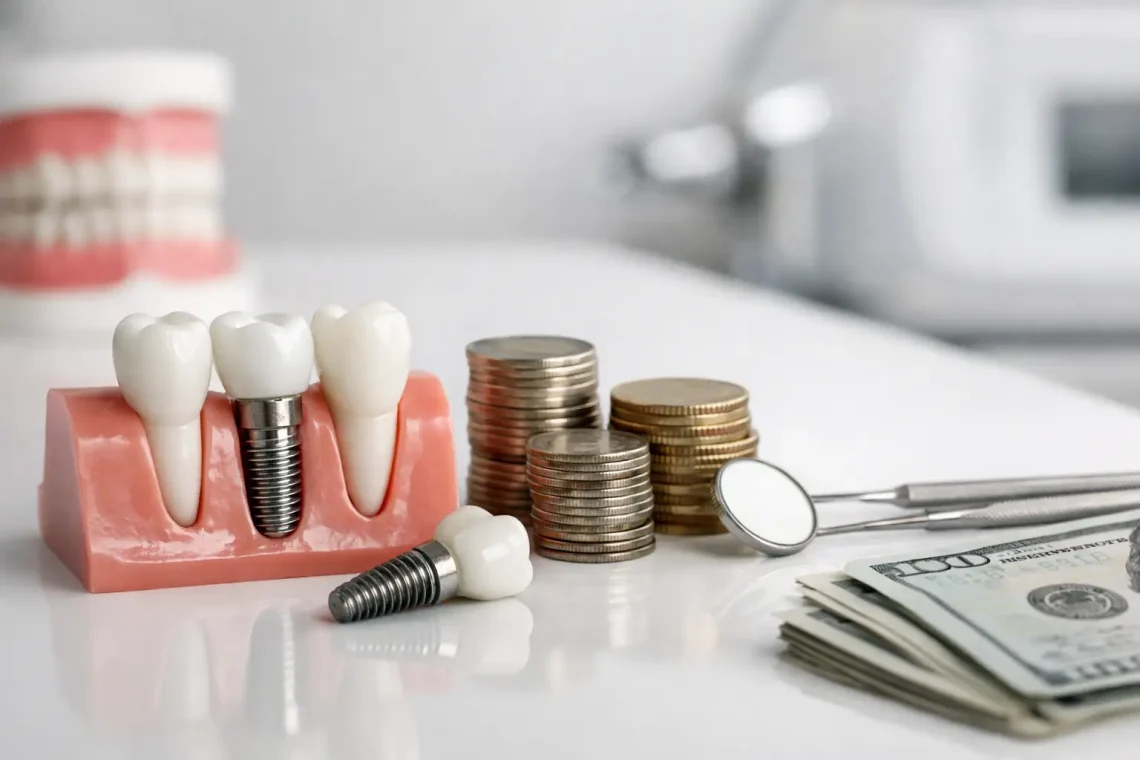
If you have been asking what is price of dental implants, you are probably not looking for a vague answer. You want a real sense of cost, what is included, and whether implants are actually within reach for your budget. That is a smart place to start, because implant pricing can vary quite a bit depending on your needs, your bone health, and the type of restoration you choose.
The short answer is that dental implants are not one fixed-price treatment. A single missing tooth, several missing teeth, and full-mouth replacement all come with different costs because they involve different materials, planning, and procedures. The best providers explain that clearly, instead of giving one number that sounds simple but leaves out half the treatment.
What is price of dental implants based on?
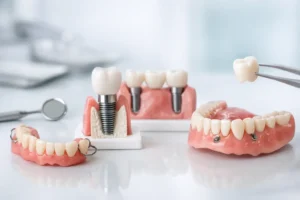
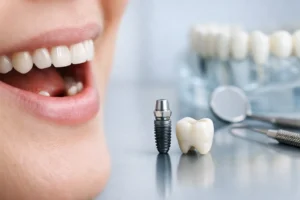
The biggest reason implant pricing varies is that an implant is not just a single part. In many cases, treatment includes the implant post placed in the jaw, the abutment that connects the implant to the visible tooth, and the final crown, bridge, or denture. Some offices advertise one piece of the treatment, while the patient assumes the quote covers everything.
That is why the first number you see online is not always the final number you pay. A promotional implant price may refer to the implant post itself. That can still be a valuable savings, but you should always ask what is included in the total treatment plan.
Your price also depends on the complexity of your case. If the bone is healthy and there is enough space for the implant, treatment is often more straightforward. If you need a tooth extraction, bone grafting, sinus work, or replacement of several teeth, the cost naturally increases because the case requires more planning and more clinical time.
Typical cost ranges patients see
For a single tooth implant, many patients in Southern California see total treatment costs that range from a few thousand dollars to several thousand dollars per tooth. A basic case may cost less than a more advanced one, especially if no preparatory treatment is needed. The difference often comes down to whether the quoted price includes imaging, extraction, grafting, sedation, abutment, and crown.
For implant-supported bridges, the cost rises because you are replacing multiple teeth and may need two or more implants to support the restoration. Full-mouth options such as All-On-4 or All-On-X cost more upfront, but they can be more efficient than replacing every tooth one by one. For patients with extensive tooth loss, that can make full-arch treatment a better long-term value.
This is where context matters. A higher price does not automatically mean better treatment, and a very low advertised price does not always mean the final bill will stay low. The real comparison is total value – diagnosis, experience, technology, materials, and whether the treatment plan is built for lasting function.
Why one office may charge more than another
There are real reasons two practices can price the same type of implant treatment differently. Specialist experience is one factor. An office focused heavily on implant treatment may invest more in advanced diagnostics, surgical planning, and restorative precision. That can improve fit, stability, and long-term outcome.
Technology matters too. In-house digital CT imaging allows a team to assess bone volume, nerve position, sinus anatomy, and implant placement with more precision than a basic two-dimensional X-ray alone. That level of planning can reduce surprises and help create a treatment plan that fits your anatomy instead of relying on estimates.
Materials also affect cost. The implant brand, the type of final restoration, and the quality of the lab work all play a role. Patients usually do not think about the dental lab, but it matters. A well-made crown or full-arch prosthesis is designed for bite balance, comfort, and natural appearance, not just appearance on day one.
What can increase the total cost?
If you are trying to estimate your own case, a few add-on procedures often change the total price.
A tooth extraction may be needed if a damaged tooth is still present. Bone grafting may be recommended if the jaw has thinned after tooth loss. Some upper jaw cases need sinus augmentation to create enough support for implants. Sedation can also add to the fee, depending on the type used.
None of these are arbitrary extras. They are recommended when they improve safety, stability, or long-term success. Still, this is where clear communication matters. You deserve to know what is necessary, what is optional, and why each part of treatment is being proposed.
What is price of dental implants for full-mouth treatment?
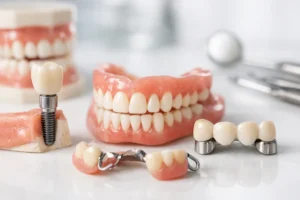
Full-mouth dental implants usually come with the widest pricing range because there are multiple ways to restore an entire arch. Some patients are candidates for implant-supported dentures, while others want a fixed solution such as All-On-4 or All-On-X. The number of implants, the material used for the final teeth, and whether treatment is done in phases all influence the cost.
For many patients, full-mouth treatment feels like a major financial decision, and it is. But it is also important to measure that cost against what ongoing tooth loss can lead to – more extractions, difficulty chewing, loose dentures, bone loss, speech changes, and a loss of facial support over time. When patients look at implants only as a dental bill, they miss the bigger picture. This is often a life-quality decision as much as a clinical one.
The right provider should walk you through the trade-offs. A removable option may cost less upfront. A fixed full-arch solution may offer greater stability, stronger bite function, and a more natural feel. The best choice depends on your goals, anatomy, and budget.
Can insurance help with dental implant cost?
Sometimes yes, but it depends on the plan. Dental insurance coverage for implants varies widely. Some plans cover part of the restoration, such as the crown, while others may contribute toward related procedures like extractions or imaging. Some plans exclude implants entirely.
That does not mean insurance is irrelevant. Even partial coverage can reduce out-of-pocket costs, and many patients also use financing to make treatment manageable. Monthly payment options often matter just as much as the total treatment fee, especially for larger cases.
This is one reason a free consultation can be so valuable. Instead of guessing from online estimates, you can get a personalized treatment plan, learn what your insurance may cover, and see what financing might look like for your case.
How to compare implant quotes the right way
If you are speaking with more than one office, ask the same questions each time. Does the quote include the implant, abutment, and final crown? Are CT imaging and consultation fees separate? Is bone grafting included if needed? Who places the implant, and how often do they perform this treatment?
You should also ask about the treatment timeline and the type of restoration being used. A cheaper quote may look attractive until you realize it excludes the visible tooth or does not account for preparatory work. A more complete quote may actually be the more honest and cost-effective option.
Patients often feel pressure to chase the lowest number, especially when online ads are everywhere. But implant treatment is too important to compare on price alone. You are investing in how you eat, speak, smile, and protect your jawbone over time. That calls for more than bargain shopping.
Affordable does not have to mean low quality
Many patients assume that if implant care is affordable, something must be missing. That is not always true. A practice can keep treatment accessible by focusing on implants at scale, using efficient systems, offering consultations at no cost, and providing financing support. California Dental Implants Specialists has built its approach around that idea – specialist-driven implant care that stays within reach for more patients.
The key is transparency. Affordable treatment should still include careful diagnostics, high standards, and a plan tailored to your health. You should feel confident that the office is solving the problem properly, not simply lowering the entry price.
If you are wondering whether implants are worth the cost, think beyond the number on the estimate. Think about eating without hesitation, speaking more clearly, feeling secure in social settings, and protecting the structure of your smile for years to come. The right next step is not guessing from a price ad. It is getting a clear, personalized consultation so you can see what your treatment would actually cost – and what it could change for you.