If you’re thinking about replacing missing teeth, it’s natural to ask the big question: how long do dental implants really last? When you invest in your smile, you want to know whether it’s a short-term fix or a truly long-term solution.
At California Dental Implants Specialists, serving patients in Huntington Beach, Marina del Rey, and Downey, we focus on implants that are designed to last for decades with the right care. In this guide, we’ll break down what the research shows, what dentists agree on, and what you can realistically expect from your implants over time.
What Do Studies Say About How Long Dental Implants Last?
Dental implants are one of the most researched treatments in modern dentistry. Large long-term studies consistently show:
- Over 90–95% success rates at 10 years for healthy, non-smoking patients with good oral care.
- Many implants remain healthy and functional for 20 years or longer.
- When problems do occur, they’re often related to gum health around the implant rather than the titanium post itself.
In other words, when patients ask, “Do dental implants last forever?”, the honest answer is: they’re designed as a long-term, potentially lifetime solution, but their actual lifespan depends heavily on your health, habits, and maintenance.
If you’re new to how implants work, you may want to start with a quick overview of what dental implants are and how they are placed before diving into long-term expectations.
The Three Parts of an Implant – And How Long Each One Lasts
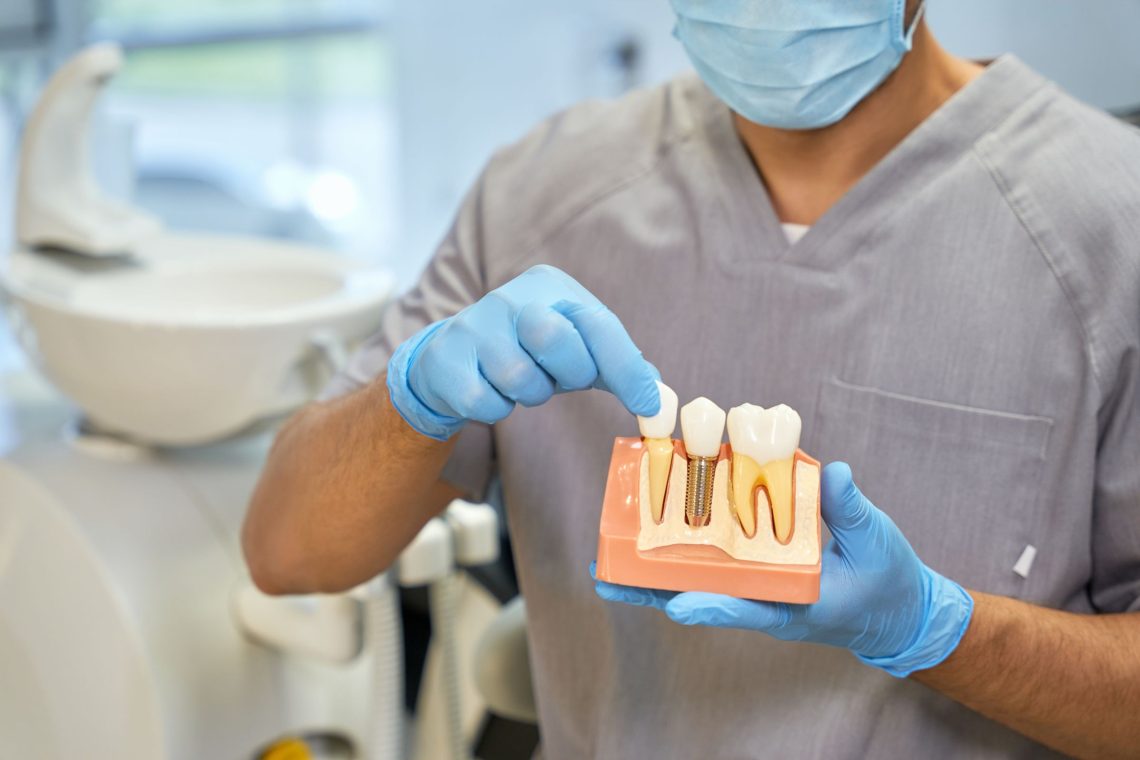
When we talk about “how long an implant lasts,” we’re really talking about three different pieces working together:
1. The Titanium Implant (The Root)
The implant itself is a small titanium post placed into the jawbone. Once it heals and bonds with the bone (a process called osseointegration), it often becomes a long-term fixture in the jaw.
- With good oral hygiene and regular checkups, the implant post can often last 20+ years, and many may never need to be replaced.
- Problems usually arise not from the titanium itself, but from bone or gum inflammation around it.
Our team carefully plans each case using advanced imaging, as explained in our implant process, to help give every implant a stable, long-lasting foundation.
2. The Abutment (The Connector)
The abutment is the small connector that attaches the implant post to the crown, bridge, or full-arch prosthesis.
- Abutments typically last for many years, but may occasionally need to be replaced if they become worn or damaged.
- With precise fit and quality materials, they’re designed to be both durable and easy to service if needed.
3. The Crown or Prosthetic Teeth
The visible part — the crown, bridge, or full-arch teeth — usually has a different lifespan from the implant itself.
- Porcelain or ceramic crowns commonly last around 10–15 years, sometimes longer with careful care.
- Full-arch prostheses (like All-On-X teeth) may need replacement or repair after a number of years due to normal wear, just like any other dental work.
So while the implant post can potentially last a lifetime, you should think about the teeth on top as long-lasting but not necessarily permanent — similar to how you’d think about a high-quality crown or bridge.
What Makes Some Implants Last Longer Than Others?
From our experience treating patients across Southern California, and from what studies show, several factors strongly influence how long dental implants last:
1. Oral Hygiene & Gum Health
Just like natural teeth, implants need healthy gums around them. When plaque and bacteria build up, they can cause a condition called peri-implantitis, which is similar to gum disease.
- Brushing twice a day and flossing (or using implant-friendly interdental brushes) is essential.
- Regular cleanings and exams at one of our Southern California implant centers help us catch small issues before they threaten the implant.
2. Smoking and Vaping
Smoking and nicotine products are associated with higher implant failure rates. Nicotine affects blood flow and healing, making it harder for the bone to integrate with the implant and stay healthy long term.
3. Medical Conditions & Medications
Conditions like uncontrolled diabetes, autoimmune disorders, or certain medications that affect bone density can influence implant success and longevity. That’s why we take a thorough medical history at every consultation and review whether you’re a good candidate. If you’re unsure, you can explore signs you’re a good candidate for implants before your visit.
4. Bite Forces & Grinding
Teeth grinding (bruxism) or clenching can put extra stress on implants and the prosthetic teeth. Nightguards and carefully balanced bites are often recommended to protect your long-term investment.
5. Surgical Planning & Technology
Meticulous planning, high-quality materials, and modern technology matter. Our offices use in-office digital CT scans and guided surgery techniques, as described in our Why Dental Implants? and About Us pages, to optimize placement and support long-term success.
How Do Dental Implants Compare to Bridges and Dentures Over Time?
Many patients are surprised when they compare long-term costs and durability:
- Traditional dentures usually need to be relined or remade every few years as the jawbone changes shape. They also don’t stop bone loss.
- Dental bridges typically last around 7–10 years and require the neighboring teeth to be shaved down and covered with crowns.
- Dental implants stand out because they help preserve the jawbone and don’t rely on neighboring teeth, making them a more stable and often more cost-effective option over decades.
For a deeper comparison of comfort and long-term value, you can also explore our post on dental implants vs. dentures.
Do Full-Arch and All-On-X Implants Last as Long?
Full-mouth options like All-On-4 and All-On-X use multiple implants to support an entire arch of new teeth. When properly planned and maintained, the implants themselves can offer the same kind of long-term stability as single-tooth implants.
At California Dental Implants Specialists, we perform many cases of All-On-X full mouth dental implants for patients who want a secure, fixed alternative to removable dentures.
- The implants anchoring the arch are intended as a long-term solution.
- The prosthetic teeth may require replacement or upgrade after years of daily use, especially if patients grind their teeth or prefer very hard foods.
In many cases, patients still find this option far more stable, comfortable, and confident than removable dentures, even if the prosthesis needs periodic refreshes.
What You Can Expect at Our Southern California Implant Centers
Because we focus so heavily on implants, our team has streamlined each step of care — from consultation to long-term maintenance.
- We start with a personalized exam and 3D imaging at our implant centers in Huntington Beach, Pacifica (Huntington Beach), Marina del Rey, and Downey.
- We plan your treatment using the latest technology, as outlined in our detailed implant process.
- We design restorations that not only look natural, but also distribute bite forces evenly to help your implants last.
- We follow up with you regularly to monitor bone levels, gum health, and bite alignment.
For many patients, this comprehensive approach makes a significant difference in how their implants perform 5, 10, or 20 years down the road.
How to Help Your Dental Implants Last as Long as Possible
While we handle the surgical and restorative precision, you play a major role in how long your implants will last. Here’s what we strongly recommend:
- Brush and floss daily. Treat your implants like natural teeth — they need daily care.
- See us regularly. Routine maintenance and checkups help protect your investment. Many of our patients combine implant checkups with regular hygiene visits at our local offices.
- Wear a nightguard if recommended. If you grind or clench, a custom nightguard can dramatically reduce stress on your implants and teeth.
- Avoid smoking and vaping. Quitting before and after implant placement can significantly improve long-term outcomes.
- Address problems early. If you notice bleeding gums, tenderness, or a change in the way your implant feels, don’t wait. Early treatment can often save an implant.
Curious how aftercare looks week by week? Our post on the dental implant recovery timeline walks through what most patients experience after surgery.
Are Dental Implants “Worth It” Long Term?
When patients compare the upfront cost of implants with the long-term maintenance of bridges and dentures, many conclude that implants offer the best combination of:
- Longevity – designed to last for decades with proper care.
- Function – strong biting and chewing power.
- Confidence – natural appearance and stability when you talk, laugh, and eat.
If you’re concerned about cost, you’re not alone. That’s why we offer flexible options described in our financing and insurance page and in our article on average dental implant costs in Orange County.
Ready to Learn How Long Implants Could Last for You?
Every patient is unique. Your health history, bone structure, bite, and habits all influence how long your dental implants will last. The best way to get a realistic answer is a personal consultation with an experienced implant team.
California Dental Implants Specialists proudly serves patients at multiple Southern California locations:
- Huntington Beach – 18800 Main St #110A, Huntington Beach, CA 92648 – Phone: 714-418-4480
- Pacifica (Huntington Beach) – 18800 Main St #110C, Huntington Beach, CA 92648 – Phone: 714-418-4480
- Marina del Rey – 4292 Lincoln Blvd, Marina del Rey, CA 90292 – Phone: 310-905-8747
- Downey – 8512 Paramount Blvd, Downey, CA 90240 – Phone: 562-662-3773
To schedule your consultation, you can request an appointment online or call the office closest to you. Our team will walk you through your options, your expected implant lifespan, and a treatment plan tailored to your smile.
The bottom line: With expert planning, modern technology, and good home care, dental implants can be one of the longest-lasting investments you’ll ever make in your health and confidence.