The first few weeks after full-mouth implant treatment can feel exciting and a little nerve-racking at the same time. You want your new teeth to look great, feel secure, and last for years. Knowing how to care for full mouth dental implants makes a real difference – not just for appearance, but for comfort, healing, and long-term success.
Full-mouth implants are designed to be strong, stable, and life-changing. They can restore the ability to eat more comfortably, speak more clearly, and smile with confidence again. But even though implant restorations are durable, they are not maintenance-free. The good news is that care is usually straightforward once you understand what your mouth needs.
How to care for full mouth dental implants every day
Daily care matters because implants rely on healthy gum tissue and bone support. The implant itself cannot get a cavity, but the surrounding tissue can still become irritated or infected if plaque and bacteria build up. That is why home care is about protecting the entire foundation, not just keeping the teeth looking white.
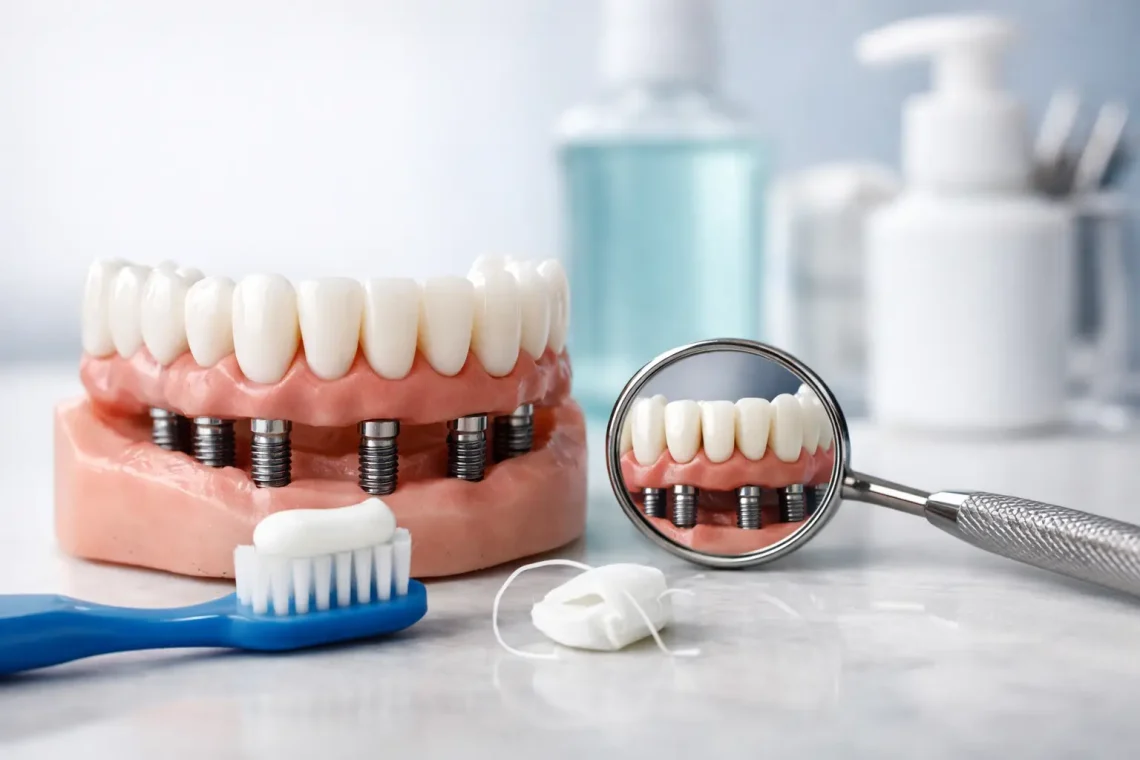
Most patients do best with a consistent morning and evening routine. Brush gently but thoroughly with a soft-bristled toothbrush and a non-abrasive toothpaste. Hard scrubbing is not better. In fact, aggressive brushing can irritate the gumline, especially around implant-supported bridges or full-arch restorations.
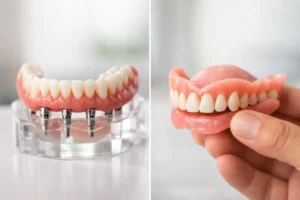
Cleaning under and around the prosthetic teeth is just as important as brushing the visible surfaces. Depending on the type of restoration you have, your dentist may recommend floss threaders, implant floss, water flossers, or small interproximal brushes. These tools help remove food particles and plaque from areas a standard toothbrush cannot reach.
A water flosser is especially helpful for many full-mouth implant patients because it can flush debris from under the bridge where food tends to collect. That said, it should support brushing and detailed cleaning, not replace them. The best routine is the one you can follow every day without rushing.
The first phase of healing needs extra attention
If your implants were placed recently, the care instructions may be different from your long-term routine. During early healing, your dental team may ask you to avoid brushing directly over surgical areas for a short time or to use a prescribed rinse. This helps protect the site while the tissue begins to recover.
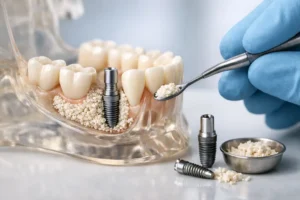
Soft foods are usually recommended at first, especially if you had implant surgery and temporary teeth placed on the same day. Even if your new smile feels stable, healing is still happening below the surface. Putting too much pressure on implants too soon can affect osseointegration, which is the process where the implant bonds with the jawbone.
This is one of those situations where patience matters. Many patients feel better quickly and assume they can return to normal eating right away. But healing does not always match how strong things feel. Following your dentist’s timeline is one of the smartest ways to protect your investment.
What to eat and what to avoid
Food choices affect comfort, cleanliness, and long-term wear. Once you are fully healed, full-mouth implants can handle a wide range of foods, and that is one of their biggest advantages. Still, there are a few habits worth watching.
Very sticky foods can cling around the restoration and make cleaning more difficult. Extremely hard items like ice, hard candy, or using your teeth to open packaging can put unnecessary stress on the prosthetic teeth. Implants are strong, but the restoration attached to them can still chip or wear if abused over time.
During healing, softer foods are usually the safer choice. Think eggs, yogurt, smoothies, mashed vegetables, fish, rice, pasta, and soups that are not too hot. As your dentist clears you for a broader diet, you can gradually return to firmer foods. If something causes soreness or pressure, that is a sign to slow down.
Hydration also helps more than many patients realize. A dry mouth can increase bacterial buildup and make your mouth feel less comfortable. Drinking enough water supports oral health and helps rinse away food debris throughout the day.
Watch for signs that something is not right
One of the biggest mistakes people make is assuming that implants do not need attention unless there is pain. Some issues start subtly. Mild bleeding when cleaning, persistent bad breath, swelling around the gums, pressure when biting, or a change in how the prosthetic feels can all be worth checking.
Implant problems are often easier to treat when caught early. For example, inflamed tissue around implants may be manageable if addressed quickly, but ignored inflammation can become more serious. A restoration that feels slightly loose may only need a small adjustment, while waiting too long can create bigger complications.
Pain is not the only warning sign. If your bite suddenly feels uneven, food starts trapping in a new area, or you notice clicking or movement, contact your dental office. The goal is not to panic over every sensation. It is to stay proactive.
Professional cleanings are still essential
Even excellent home care does not replace regular professional maintenance. Full-mouth dental implants should be checked and cleaned on a schedule recommended by your provider. These visits allow your dental team to monitor gum health, evaluate the implant components, assess your bite, and remove buildup in places that are hard to reach at home.
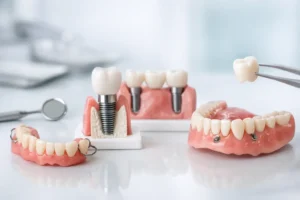
Professional maintenance for implants is not exactly the same as care for natural teeth. Your provider may use special instruments designed for implant surfaces and restorations. That is one reason follow-up with an implant-focused office can be so valuable. Precision matters.
Patients sometimes assume that once the treatment is finished, the hard part is over. In reality, long-term success comes from partnership. Your home routine does the daily work, and your recall visits help protect the results over the years.
Nighttime habits can affect your implants
If you clench or grind your teeth, your implants may need added protection. Grinding can place significant pressure on the restoration, especially during sleep when you are not aware of it. In some cases, a custom night guard may be recommended to reduce stress on the prosthetic teeth and supporting structure.
This is one of those areas where individual factors matter. Not every patient needs a night guard, but for people with a history of clenching, it can help preserve the appearance and function of the restoration. If you wake up with jaw tension, headaches, or soreness, tell your dentist.
Smoking is another factor that can compromise implant health. Tobacco use can affect healing and increase the risk of gum and implant complications. If you are investing in full-mouth implants, reducing or quitting smoking can significantly improve your long-term outlook.
How to care for full mouth dental implants for the long run
Long-term care is less about perfection and more about consistency. Brush every day, clean underneath the prosthetic as directed, keep your follow-up appointments, and pay attention to small changes before they turn into larger problems. That routine protects the comfort, appearance, and stability of your smile.
It also helps to think of full-mouth implants as a functional restoration, not just a cosmetic one. They support how you chew, how you speak, and how your bite works over time. Caring for them properly means protecting your oral health, your confidence, and the quality of life that led you to choose treatment in the first place.
At California Dental Implants Specialists, patients are often relieved to learn that implant maintenance is manageable once they have the right guidance. With the right technique, the right tools, and regular professional support, most people settle into a routine that feels simple and sustainable.
If you ever feel unsure about your cleaning method, the best next step is to ask. A quick adjustment in technique can make home care easier and more effective. Your smile was built to last, and a steady care routine helps make sure it does.
A full-mouth implant restoration can give you back more than teeth – it can give you confidence at meals, comfort in conversation, and peace of mind when you smile. Taking care of it every day is a small commitment with a very worthwhile return.