
Patient education
How to Get Full Mouth Dental Implants
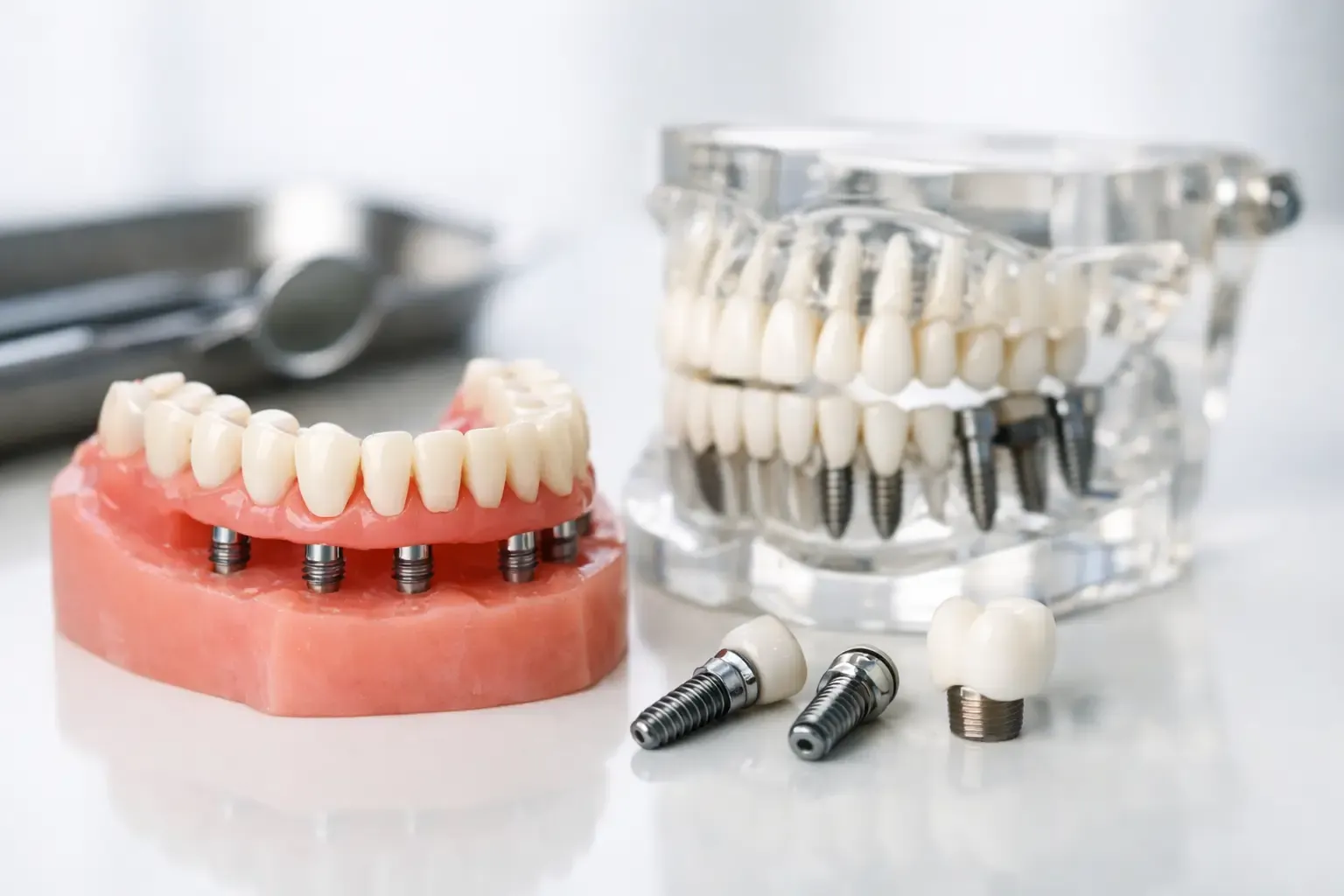
If you are tired of loose dentures, missing teeth, or avoiding certain foods because chewing hurts, you are probably asking a very practical question: how to get full mouth dental implants without wasting time, money, or hope on the wrong plan. The good news is that full-arch implant treatment is more accessible than many people think. The key is knowing what to expect, what can affect your candidacy, and how to choose a provider who can map out the right solution for your mouth, your health, and your budget.
Full mouth dental implants are designed to replace most or all teeth in the upper arch, lower arch, or both. Instead of relying on removable dentures that shift and rub, implant-supported teeth are anchored to dental implants placed in the jawbone. For many patients, that means better stability, stronger biting power, clearer speech, and a more natural feel day to day.
How to get full mouth dental implants the right way
The process usually starts with a consultation, not a procedure. That matters more than people realize. A quality implant evaluation should look beyond missing teeth and focus on the whole picture: bone levels, gum health, medical history, bite alignment, and what kind of long-term result makes sense for you.
At this first visit, digital imaging is often used to see the jawbone in detail. A 3D CT scan can show whether you have enough bone for implants, where important structures are located, and whether extractions, bone grafting, or other preparatory treatment may be needed. This planning stage is where a specialist separates a predictable case from a rushed one.
If you are wondering how to get full mouth dental implants quickly, this is where speed and precision have to be balanced. Some patients can move into same-day or near-immediate implant solutions after extractions. Others need to heal first. Neither path is automatically better. The right choice depends on bone quality, infection, overall health, and how much support your final restoration will need.
Who qualifies for full mouth implants
Many adults who assume they are not candidates actually are. Even if you have worn dentures for years or have several failing teeth, you may still qualify for a fixed implant solution. What determines candidacy is not just age. It is a combination of oral health, bone support, and medical factors.
In general, good candidates are missing most or all teeth, have multiple damaged teeth that are no longer worth saving, or struggle with removable dentures. Patients with gum disease can still qualify, but the disease has to be addressed. Smokers may still be candidates too, though smoking can raise the risk of implant complications and healing problems.
Bone loss is one of the biggest concerns people bring up, and it is a fair one. If teeth have been missing for a long time, the jaw can shrink. In some cases, bone grafting is recommended. In others, angled implants or full-arch systems such as All-On-4 or All-On-X can reduce the need for grafting by using available bone more strategically. That is why an in-person evaluation matters so much. Two patients can have the same number of missing teeth and need very different treatment plans.
What treatment options look like
Not every full mouth case uses the same number of implants or the same type of restoration. Some patients receive a full upper arch, some a full lower arch, and some both. A fixed full-arch bridge can often be supported by four or more implants per arch, depending on your anatomy and the design of the case.
This is also where cost differences come in. A removable implant-supported denture may cost less than a permanently fixed full-arch bridge, but it does not feel the same. A fixed option generally offers the closest experience to natural teeth in terms of stability and confidence. For many patients, that trade-off is worth it. For others, a removable implant-supported option is the best balance of support and affordability.
The right provider should explain these differences clearly, not push every patient into the same package. Full mouth implant treatment is a major decision. You deserve to understand what you are paying for, how it will function, and what maintenance will be required over time.
What the process usually involves
Once you are approved for treatment, the next step is final planning. If you still have damaged or failing teeth, they may need to be removed first. Some patients receive implants and a temporary set of teeth on the same day or soon after surgery. Others follow a staged plan, especially if healing, infection control, or grafting is needed.
After implants are placed, the jawbone needs time to bond with them. This healing period is called osseointegration. It can take a few months, although the exact timeline varies. During that time, you may wear a temporary restoration so you are not left without teeth.
Once healing is complete and the implants are stable, your final prosthetic is made. This is where fit, bite, appearance, and comfort are refined. A strong final result should not only look natural. It should let you chew confidently, speak without worry, and clean your teeth in a manageable way.
Patients are sometimes surprised to learn that the final teeth are not just about appearance. The bite has to be engineered carefully. If the forces are off, it can affect comfort and longevity. That is one reason specialist-level planning and experience matter with full-mouth cases.
How much full mouth dental implants cost
Cost is often the biggest reason people delay treatment, even when they are already struggling to eat or smile. Full mouth dental implants are an investment, but they are not one-size-fits-all. The total cost depends on whether you need one arch or both, how many implants are required, whether extractions or bone grafting are involved, and what type of final restoration you choose.
If you are comparing providers, look for transparency. A low advertised number may refer to a single implant component, not a full-arch solution. That does not mean promotions are misleading by default, but it does mean you should ask what is included. Consultation, imaging, extractions, temporary teeth, sedation, and the final prosthetic can all affect the total.
Affordability still matters, and it should. For many patients, financing options and insurance acceptance are what make treatment possible now instead of someday. That is one reason practices like California Dental Implants Specialists focus so heavily on consultation-driven planning and flexible payment pathways. When the process is explained clearly, patients can make a confident decision instead of guessing.
How to choose the right implant provider
If you are serious about how to get full mouth dental implants, choosing the right office may be the most important step of all. Full-arch implant treatment is complex. You want a provider with focused implant experience, advanced imaging, and a clear process from consultation through final restoration.
Ask how your case will be planned, whether 3D imaging is used in-house, what kind of full-arch options are offered, and who will place the implants. You should also ask about healing timelines, temporary teeth, follow-up care, and what happens if additional treatment is needed.
A good consultation should leave you feeling informed and reassured, not pressured. You should understand the diagnosis, the treatment options, the likely timeline, and the financial path forward. If an office cannot explain the process in plain English, that is a concern.
What life is like after treatment
The goal of full mouth implants is not just to replace teeth. It is to restore normal life. Patients often look forward to eating comfortably again, speaking more clearly, and smiling without thinking about what others notice. They also appreciate the support implants can provide to facial structure compared with traditional dentures.
That said, implants still require care. They do not get cavities, but the surrounding gums and bone need to stay healthy. Daily cleaning, regular checkups, and professional maintenance are part of protecting your investment. If you grind your teeth, a night guard may also be recommended.
The best results come from a partnership. The clinical team provides precise planning and treatment. You protect that result with follow-through and maintenance.
If you have been putting this off because it feels too complicated or too expensive, start with the consultation. You do not need to have every answer before you walk in. You just need a clear next step, and the right team can turn that into a real plan for getting your smile, comfort, and confidence back.