If missing teeth have changed the way you eat, speak, smile, or feel in photos, the first step is not committing to surgery. It is a dental implant consultation designed to give you clear answers. You should leave knowing what is possible for your smile, what treatment may involve, and what a realistic path forward looks like for your health, schedule, and budget.
For many patients, this appointment brings relief. Tooth loss can feel isolating, especially when loose dentures, a painful damaged tooth, or gaps in your smile affect everyday confidence. A thoughtful consultation replaces uncertainty with a personalized plan.
What a Dental Implant Consultation Is Really For
A consultation is a clinical evaluation, but it is also a conversation about your goals. Some patients want to replace one missing tooth without affecting the teeth beside it. Others are tired of removing dentures every night and want more stable full-mouth teeth. Some are dealing with failing crowns, extensive decay, or multiple teeth that cannot be saved.
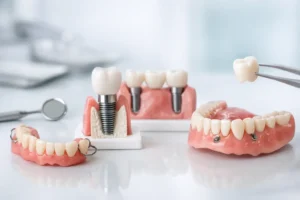
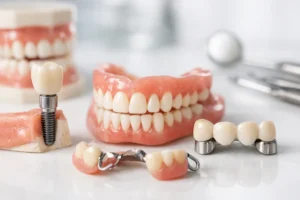
Implant treatment is not one-size-fits-all. The right solution may be a single dental implant, an implant-supported bridge, implant dentures, or a full-arch option such as All-On-4 or All-On-X. Your provider should explain why a specific approach fits your situation rather than steering you toward a generic answer.
At California Dental Implants Specialists, consultations are centered on both function and long-term comfort. A healthy-looking smile matters, but so does being able to bite into food, speak without worry, and support the jawbone and facial structure after tooth loss.
Your First Visit: What Usually Happens
Your appointment begins with listening. Be prepared to discuss what has been bothering you, whether you have had pain or infection, how long you have been missing teeth, and what you hope to change. There is no need to know dental terminology. Describing what happens when you chew, talk, or wear dentures gives the clinical team valuable information.
The examination usually includes a close look at your teeth, gums, bite, and the health of the surrounding tissues. Your medical and dental history matters, too. Conditions such as diabetes, gum disease, osteoporosis, or a history of smoking do not automatically rule out implants, but they can affect treatment planning and healing. Being open about medications and health conditions helps your provider plan safely.
Digital Imaging Shows What an Exam Cannot
Dental implants are placed in the jawbone, so a visual exam alone is not enough. In-house digital CT imaging creates a detailed 3D view of your jaw, bone volume, sinus position, nerve pathways, and the location of any remaining tooth roots.
This planning is a major reason implant care should feel precise rather than rushed. The scan helps determine whether there is enough healthy bone to support an implant, where it can be placed, and whether a bone graft, sinus lift, or another preparatory procedure may be helpful. Not everyone needs these additional steps. When they are needed, understanding that early prevents surprises later.
You Will Discuss Which Teeth Can Be Saved
Patients sometimes arrive expecting every troubled tooth to be removed. In other cases, they assume a damaged tooth can be repaired indefinitely. A consultation should give you an honest assessment of both possibilities.
Saving a natural tooth is often preferable when it has a predictable long-term outlook. However, a tooth with repeated infections, severe bone loss, a deep fracture, or a failed restoration may not be a dependable foundation. If an extraction and implant are recommended, ask why, what alternatives exist, and how each option may perform over time.
Choosing the Right Tooth Replacement Option
The best implant plan depends on how many teeth are missing, the condition of your remaining teeth, your bone health, and your priorities. A single implant can replace one tooth with a crown that looks and functions like a natural tooth. Unlike a traditional bridge, it does not require reshaping the neighboring teeth.
When several adjacent teeth are missing, an implant-supported bridge may replace them with fewer implants than individual crowns. For patients missing most or all teeth, full-mouth implant treatment can provide fixed teeth supported by strategically placed implants. This may be an option for people who want greater stability than conventional dentures can provide.
There are trade-offs worth discussing. A fixed full-arch restoration can offer strong chewing ability and day-to-day confidence, but it requires careful planning, surgery, and a commitment to hygiene and follow-up care. Implant-supported dentures can be a more affordable path for some patients while still offering significantly more stability than a traditional denture. The right choice is the one that balances your clinical needs with the kind of daily life you want to regain.
A Clear Conversation About Cost and Financing
Cost is one of the first questions patients have, and it deserves a direct answer. Implant treatment can include several components: imaging, extraction if needed, bone grafting when appropriate, the implant post, an abutment, and the final crown, bridge, or full-arch restoration. The total depends on the treatment plan, not simply the number shown in an advertisement.
A $699 dental implant promotion can make implant care more accessible for qualifying treatment needs, but your consultation is where the full scope of care should be explained. Ask what is included, what additional procedures may be necessary, and when final restorations are placed. Transparent pricing helps you compare options fairly and avoid choosing based only on a headline number.
Financing and insurance can also make treatment more manageable. Coverage varies widely, and dental insurance may contribute toward certain parts of treatment while excluding others. A patient-focused office should help you understand available benefits and payment options before you make a decision. You should never feel pressured to move forward without a clear financial picture.
Questions Worth Asking During Your Visit
A good consultation should feel collaborative. Ask about the provider’s experience with cases similar to yours, the technology used for planning, expected healing time, and what your temporary teeth may be like if extractions are needed. You can also ask how long your final restoration is expected to last and what home care and maintenance it will require.
Be sure to ask about timing. Some patients may receive temporary teeth soon after implant placement, while others need a healing period before the final restoration is completed. Immediate options can be appropriate in select cases, but they depend on bone quality, implant stability, bite forces, and overall oral health. A responsible recommendation is based on predictability, not speed alone.
It is also reasonable to ask what happens if you are nervous about treatment. Modern implant care is designed around comfort, and your team can discuss ways to make visits more manageable. Anxiety should not keep you from seeking an evaluation, especially if failing teeth or infections are affecting your health.
How to Prepare for Your Appointment
Bring a list of medications, relevant medical information, and any dental records or recent X-rays you have available. Write down your questions beforehand, particularly if you have concerns about cost, healing, dentures, or a previous dental experience. If a family member helps you make healthcare decisions, bringing them along can be useful.
Most importantly, come ready to talk honestly about your goals. Whether you want to enjoy steak again, stop hiding a gap when you laugh, or avoid the daily frustration of unstable dentures, those details help shape a plan that fits your life.
A dental implant consultation is your opportunity to get expert guidance without guessing. The right team will give you room to ask questions, explain every recommendation clearly, and help you take the next step at a pace that feels right for you.