A missing tooth can change more than a photo. It can make you avoid steak, cover your mouth when you laugh, or chew on one side until that becomes your normal. When comparing a dental bridge vs implant, the right answer depends on your oral health, timeline, budget, and long-term goals – not simply which option costs less on day one.
Both treatments can restore the appearance and function of your smile. The difference is in how they do it. A bridge replaces the visible portion of a tooth by connecting to neighboring teeth. A dental implant replaces both the missing tooth root and the visible tooth, creating a stable foundation designed to function much like a natural tooth.
Dental Bridge vs Implant at a Glance
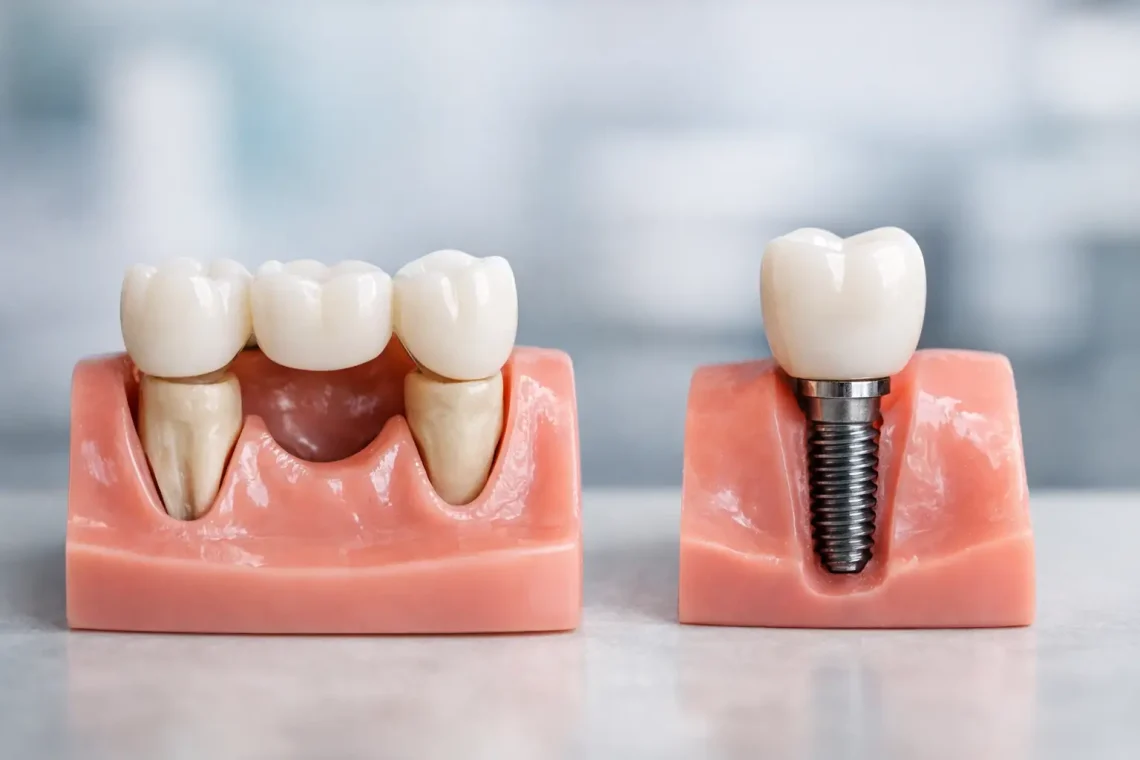
A traditional dental bridge uses a custom replacement tooth called a pontic, held in place by crowns on the teeth beside the gap. Those supporting teeth must typically be reshaped so the crowns can fit over them. A bridge is fixed in place, so it does not come out for cleaning, but you will need to clean carefully underneath it every day.
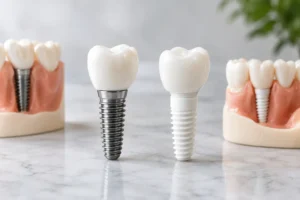
A dental implant is a small titanium post placed in the jawbone where the tooth root once was. After the area heals and the implant bonds with the bone, a custom abutment and crown are attached. The final crown is designed to blend with your natural teeth while providing a strong, independent replacement.
For one missing tooth, an implant often offers the most complete replacement because it does not rely on adjacent teeth. A bridge may be a practical choice when a patient wants a faster restoration, has certain medical or bone-related limitations, or already needs crowns on the teeth next to the space.
The Biggest Difference: What Happens Below the Gumline
A bridge fills the empty space above the gumline, but it does not replace the tooth root. An implant reaches below the gumline to support the jawbone, which matters because bone naturally begins to shrink after a tooth is lost.
That gradual bone loss can affect more than the space where the tooth was removed. Over time, it may change the shape of the gum tissue, allow neighboring teeth to drift, and contribute to a more sunken appearance around the mouth and cheeks. The process is usually slow, which is why many people do not notice it until it has progressed.
Because an implant transfers chewing forces into the jawbone, it helps preserve the bone in that area. It is not a guarantee against every oral health change, but it is a meaningful advantage for patients who want a long-term tooth replacement solution. For people missing several teeth, implant-supported bridges and full-mouth implant options can provide similar support across a larger area.
Cost: Upfront Price Versus Long-Term Value
A bridge usually has a lower initial cost than a single dental implant because it does not involve surgical placement or a healing period. It can also be completed in a shorter period of time. For a patient who needs an immediate solution, that can be a real benefit.
However, the upfront cost is only part of the picture. A well-maintained bridge commonly lasts several years, but it may eventually need replacement due to wear, decay around a supporting tooth, gum changes, or damage to the bridge itself. If one supporting tooth develops a serious problem, the entire bridge can be affected.
Dental implants generally require a greater initial investment, yet they are built for durability. With good home care and regular professional checkups, the implant post can last for decades. The crown attached to it may need replacement over time, just like any dental crown, but the underlying implant can remain stable.
A treatment consultation should include transparent pricing for the full plan, not just one portion of it. Ask what is included, whether imaging, extraction, bone grafting, the implant, abutment, and crown are separate fees, and how insurance or financing may apply. Affordable care should still be carefully planned care.
Comfort, Eating, and Everyday Confidence
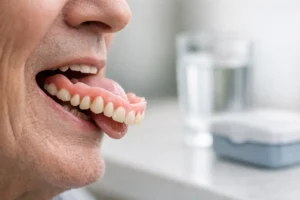
Both bridges and implants are fixed solutions, unlike removable partial dentures. Still, the daily experience can feel different.
A bridge can restore your smile and help you chew more comfortably than leaving a gap. Yet the connection between the bridge and neighboring teeth can create areas where food gets trapped. Cleaning under the replacement tooth requires floss threaders, specialized floss, or a water flosser. Patients who stay consistent with this routine can maintain a bridge successfully.
An implant crown is cleaned much like a natural tooth. Since it stands independently, floss can pass between it and the neighboring teeth. Many patients also appreciate that there is no need to alter healthy teeth just to replace the missing one.
For chewing, an implant is designed to provide excellent stability. That can be especially meaningful for patients who have been favoring soft foods, struggling with speech, or feeling self-conscious about a visible gap. The goal is not simply a better-looking smile. It is being able to enjoy meals, conversations, and daily life without constantly thinking about your teeth.
When a Dental Bridge Can Be the Right Choice
A bridge is not an inferior treatment. In the right clinical situation, it can be an efficient, attractive, and reliable option.
It may make sense if the teeth on either side of the gap already have large fillings, existing crowns, or damage that requires crowns anyway. It may also be appropriate when a patient needs to avoid implant surgery, prefers a shorter treatment timeline, or has health considerations that require a different approach. In some cases, insufficient bone volume or untreated gum disease must be addressed before implant placement can be considered.
The key is to understand the trade-off. A bridge can solve the visible problem quickly, but it does not prevent bone loss in the missing tooth area and connects the health of multiple teeth together.
When an Implant Is Often the Better Investment
A dental implant is often recommended for patients who have healthy gums, adequate bone or are candidates for bone grafting, and want the closest replacement to a natural tooth. It is particularly appealing when the teeth beside the gap are healthy and should not be reshaped.
Implants may also be the stronger path when multiple teeth are missing. Instead of placing individual implants for every tooth, a specialist may recommend an implant-supported bridge. For extensive tooth loss, All-On-4 or All-On-X full-mouth treatment can secure a complete arch of teeth using strategically placed implants. These options can help replace unstable dentures and restore stronger chewing function.
Implant treatment does take time. After placement, the bone needs time to integrate with the implant. Some patients qualify for immediate temporary teeth, while others need a staged approach for the safest, most predictable outcome. A careful timeline protects your result.
Your Jawbone, Gums, and Medical History Matter
No online comparison can replace an exam because candidacy is personal. A patient who lost a tooth last month may have different options than someone who has worn a partial denture for 15 years. Gum disease, smoking, diabetes management, teeth grinding, medication use, and bone density can all influence treatment planning.
Modern 3D CT imaging allows implant specialists to evaluate bone volume, sinus position, nerve pathways, and the best angle for implant placement before treatment begins. That precision helps determine whether an implant can be placed right away, whether bone grafting is recommended, or whether another tooth replacement option is more appropriate.
If you grind or clench your teeth, an implant can still be possible, but you may need a protective nightguard to protect the crown and surrounding teeth. If gum disease is active, controlling that infection should come first. The best treatment plan supports your full oral health, not just the empty space.
Choosing With Confidence
The dental bridge vs implant decision should not feel like a pressure-filled choice between affordability and quality. It should be a clear discussion about what your mouth needs now, what will protect your future oral health, and what fits your financial comfort level.
At California Dental Implants Specialists, a consultation can clarify your bone health, treatment timeline, available financing, and whether a bridge, a single implant, or a more comprehensive restoration is right for you. If a missing tooth is already changing how you eat, speak, or smile, scheduling an evaluation is a practical first step toward feeling comfortable in your smile again.