When loose dentures make a restaurant meal stressful, or damaged teeth force you to avoid smiling in photos, the problem reaches far beyond appearance. A full mouth implant transformation is designed to replace an entire upper arch, lower arch, or both with stable, natural-looking teeth that support everyday comfort, speech, and confidence.
For many patients, the goal is not a “perfect” smile. It is being able to bite into an apple, talk without worrying a denture will shift, and stop planning life around failing teeth. Full-mouth implant treatment can make those changes possible, but the right plan depends on your oral health, bone support, medical history, and goals.
What a Full Mouth Implant Transformation Can Change
A complete smile affects more than what you see in the mirror. Missing teeth and unstable dentures can change the way you chew, limit food choices, alter speech, and contribute to gradual jawbone loss. When teeth have been missing for a long time, the lower portion of the face can also lose support, creating a more sunken appearance.
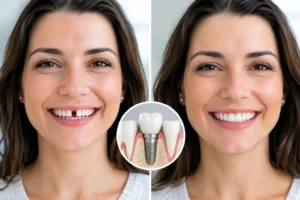
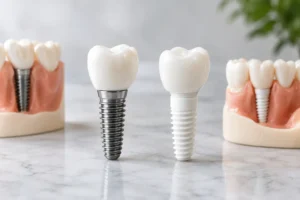
Full-mouth dental implants replace tooth roots with titanium implant posts placed in the jaw. A custom full arch of teeth is then secured to those implants. Because the replacement teeth are anchored to the jaw rather than resting on the gums, they can feel much more secure than a traditional removable denture.
Patients often notice practical improvements first. They may be able to eat a wider range of foods, speak more naturally, and feel less self-conscious in social or professional settings. The aesthetic result matters, too, but a well-planned transformation is built around function, bite balance, facial support, and long-term health.
Full-Mouth Implants Are Not One-Size-Fits-All
The phrase “full mouth implants” can describe several treatment approaches. Some patients need a new upper arch or lower arch. Others need both. Some still have teeth that can be preserved, while others have severe decay, gum disease, or teeth that are beyond repair.
For many candidates, an All-On-4 or All-On-X approach is appropriate. This treatment uses a strategic number of implants to support a fixed full arch of teeth. In certain cases, angled posterior implants can make use of available bone and reduce the need for grafting. That can shorten treatment time and lower the overall complexity for the right patient.
However, four implants are not automatically the best option for every mouth. A patient with stronger bone volume, heavy bite forces, or specific restorative needs may benefit from additional implants. Others may need bone grafting or healing time before final teeth can be placed. The best treatment is the one that creates dependable support for your individual anatomy, not the one with the catchiest name.
Fixed Teeth Versus Removable Implant Dentures
A fixed full arch is attached to implants and is removed only by the dental team during maintenance visits. It offers the closest experience to having natural teeth and is a popular option for patients who want maximum stability.
An implant-supported overdenture is removable by the patient but snaps securely onto implants. It can be a practical choice for someone seeking much better retention than a conventional denture at a lower cost than a fixed bridge. Both options are major improvements over loose dentures for many patients, but they differ in daily care, feel, and investment.
The Treatment Process: From Consultation to New Teeth
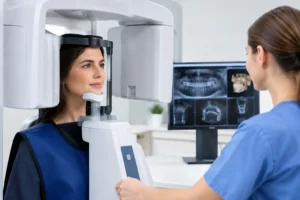
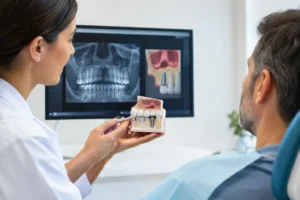
A successful result starts with planning, not guesswork. During a consultation, the implant team reviews your dental and medical history, examines your gums and remaining teeth, and uses digital CT imaging to evaluate bone volume and important anatomical structures. This information helps determine whether implants can be placed immediately, whether extractions are needed, and what type of restoration will best support your bite.
If damaged teeth must be removed, extraction and implant placement may sometimes happen during the same appointment. In qualifying cases, patients can leave with a temporary fixed set of teeth while implants heal. These temporaries are not simply cosmetic. They help you function during healing while the team evaluates comfort, bite, and appearance before creating the final restoration.
Implants need time to integrate with the jawbone. Healing can take several months, although each timeline is different. Smoking, uncontrolled diabetes, active gum disease, grinding habits, and limited bone can affect healing and may change the treatment sequence.
Once healing is complete, your final teeth are designed for strength, fit, and natural appearance. The team considers tooth shape, shade, gum display, facial proportions, and the way your upper and lower teeth meet. This is where the precision of planning pays off. A beautiful restoration must also allow you to chew comfortably without placing unnecessary stress on the implants.
Why Digital Planning Matters
Full-mouth rehabilitation is a detailed procedure. Implant position affects the final bite, the thickness of the bridge, the appearance of the smile, and your ability to keep the restoration clean. Digital CT imaging gives the surgeon a three-dimensional view that standard X-rays cannot provide on their own.
This level of planning helps identify bone quality, sinus location in the upper jaw, nerve pathways in the lower jaw, and areas where implants can be placed most predictably. It also supports a more coordinated relationship between surgery and the final teeth.
At California Dental Implants Specialists, the consultation is meant to give patients a clear picture of their options rather than pressure them into a generic treatment plan. You should understand what is being recommended, why it is recommended, and what your next steps will look like.
Cost Factors to Understand Before You Decide
A full-mouth restoration is a significant investment, and honest cost conversations matter. Advertised implant pricing may refer to a single implant or a limited portion of treatment, not necessarily a complete arch of final teeth. Before comparing quotes, ask what is included from start to finish.
The total cost can vary based on the number of arches being restored, whether teeth require extraction, the number of implants used, sedation needs, temporary teeth, the final restoration material, and any grafting or periodontal treatment. Location and the experience of the surgical and restorative team also matter.
The lowest initial number is not always the lowest long-term cost. A poorly planned restoration can lead to avoidable repairs, discomfort, and added treatment later. On the other hand, high-quality care should not feel out of reach. Financing options and insurance benefits, when available, can help make a well-planned treatment more manageable.
Caring for Your New Smile
Dental implants cannot decay like natural teeth, but the tissues around them still need consistent care. Plaque buildup can lead to inflammation around implants, which can threaten their long-term stability if ignored.
Daily brushing, specialized flossing or water cleaning tools, and regular professional maintenance are essential. Patients who grind their teeth may also need a protective nightguard. Your final bridge is durable, but it is not indestructible. Avoid using it to open packages, chewing ice, or treating it like a tool.
A full mouth implant transformation is not about chasing someone else’s smile. It is about choosing a stable, healthy foundation for your own life. If you are tired of working around missing teeth or unstable dentures, a consultation can turn unanswered questions into a personal plan built around comfort, function, and a future you can smile about.