A missing tooth is not always obvious when you smile. Sometimes, the first warning appears at dinner: you start chewing on one side, avoid steak or apples, or feel a sharp twinge when pressure hits a damaged tooth. These are often signs you need tooth replacement, and waiting can make treatment more complex than it needs to be.
Tooth replacement is about far more than appearance. A healthy, complete bite supports comfortable eating, clear speech, jawbone health, and the confidence to laugh without covering your mouth. Whether you have one failing tooth, several missing teeth, or dentures that no longer feel secure, a personalized evaluation can clarify your options.
1. You Have a Missing Tooth or a Tooth That Cannot Be Saved
A tooth that has already been lost should be evaluated promptly, even if it is near the back of your mouth. The space may seem harmless at first, but neighboring teeth can gradually shift toward it. That movement can change your bite, create places that are harder to clean, and make future replacement more involved.
A severely cracked, decayed, or infected tooth may also need replacement after extraction. Not every damaged tooth requires removal. In some cases, a filling, crown, root canal, or periodontal treatment can preserve it. But when the tooth has too little healthy structure remaining or has a poor long-term outlook, replacing it may be the more dependable path.
2. Chewing Is Painful, Limited, or One-Sided
If you automatically move food to the opposite side of your mouth, your bite is telling you something. Pain with chewing can come from a cracked tooth, advanced decay, gum disease, a loose restoration, or a missing tooth that has forced the rest of your bite to work harder.
Avoiding certain foods may feel like a practical adjustment, but it can shrink your diet over time. Crunchy vegetables, nuts, meat, and other nutritious foods often become difficult first. The goal of a well-planned tooth replacement is not simply to fill a gap. It is to help restore stable, comfortable chewing so meals feel normal again.
3. Your Dentures Move, Click, or Rub Your Gums
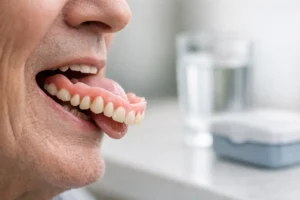
Traditional dentures can be a useful option, but they do not work equally well for every patient. If yours slip while talking, click when you chew, require frequent adhesive, or leave sore spots on your gums, you do not have to accept that discomfort as inevitable.
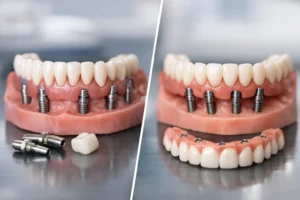
A loose denture may need an adjustment, reline, or replacement. For patients who want greater stability, implant-supported dentures can attach to dental implants in the jaw. This can reduce movement and improve chewing force while helping the appliance feel more secure. The right choice depends on your bone health, goals, budget, and the condition of your existing denture.
4. You Notice Changes in Your Facial Shape
Your tooth roots do more than hold teeth in place. They stimulate the jawbone every time you chew. After tooth loss, the bone in that area can gradually resorb because it is no longer receiving that stimulation.
Over time, bone loss may contribute to a sunken appearance around the lips and cheeks, a changing jawline, or dentures that fit less securely than they used to. Dental implants are placed in the jawbone and can help provide the stimulation missing tooth roots once provided. They are not appropriate for every situation without preparation, but a digital CT scan can show the available bone and help determine whether bone grafting or another approach may be recommended.
5. You Feel Self-Conscious When You Speak or Smile
A gap, failing tooth, or unstable denture can make everyday conversations feel stressful. You may cover your mouth in photos, avoid smiling fully, speak more quietly, or worry that a denture will shift during a meeting. These concerns are real, and they can affect work, relationships, and social life.
Replacing teeth can restore a more natural-looking smile, but cosmetic improvement is only part of the outcome. A properly designed restoration should also support speech, facial balance, and bite function. For a single missing tooth, an implant with a custom crown may be an option. Multiple missing teeth may be restored with an implant bridge, while full-arch tooth loss may call for an All-On-4 or All-On-X treatment plan.
6. Your Teeth Are Loose, Shifting, or Spreading Apart
Loose teeth are never something to ignore. They may be caused by gum disease, infection, trauma, bite forces, or bone loss. In some cases, timely periodontal care can help stabilize teeth. In others, teeth have lost too much support to remain reliable and may need to be removed and replaced.
New spaces between teeth or teeth that appear to be tilting can also signal a problem. When a tooth is missing, surrounding teeth may drift into the open space. When several teeth are failing, the bite can become progressively unstable. An examination can identify whether a tooth can be preserved or whether replacing it now will better protect your overall oral function.
7. You Have Repeat Infections, Swelling, or a Bad Taste
A recurring pimple-like bump on the gum, swelling around a tooth, drainage, or a persistent unpleasant taste may indicate an infection. These symptoms require prompt dental attention. An untreated infection can damage bone and surrounding tissues, and it can become more painful or spread.
Sometimes an infected tooth can be treated and saved. Other times, it may need extraction followed by a replacement plan. Do not wait for the pain to become unbearable. Severe swelling, fever, trouble swallowing, or difficulty breathing should be treated as an urgent medical or dental emergency.
8. Your Bridge or Crown Keeps Failing
Dental crowns and bridges can last for many years, but they are not permanent. If a bridge repeatedly loosens, the teeth supporting it keep developing decay, or a crown breaks because the tooth underneath is compromised, it may be time to discuss a different solution.
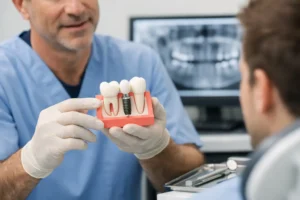
An implant-supported crown replaces a single tooth without relying on adjacent teeth for support. An implant bridge can replace several missing teeth without placing crowns on otherwise healthy neighboring teeth. There are trade-offs: implants require surgery and a healing process, and not every patient is a candidate for immediate placement. Still, for many people, they offer a durable, fixed alternative to repeatedly repairing failing dental work.
9. You Are Tired of Planning Life Around Your Teeth
This may be the clearest sign of all. You choose restaurants based on what you can chew. You keep adhesive or pain medication nearby. You postpone photos, dates, travel, or dental visits because you are worried about the cost or the procedure.
Modern tooth replacement planning should feel clear, not overwhelming. A consultation gives you the chance to discuss your health history, review digital imaging, understand whether implants are suitable, and compare treatment timelines and costs. At California Dental Implants Specialists, patients can also ask about financing, insurance acceptance, and options designed around their individual needs.
When to Schedule a Tooth Replacement Consultation
You do not need to wait until every tooth hurts or a denture fails completely. Schedule an evaluation if you have a missing tooth, ongoing chewing difficulty, loose teeth, recurring infection, unstable dentures, or dental work that repeatedly breaks. The earlier you understand what is happening, the more choices you may have.
A compassionate consultation is not a commitment to treatment. It is a practical first step toward answers, comfort, and a smile that supports the life you want to live. Your teeth should not dictate what you eat, how you speak, or when you feel comfortable being seen.