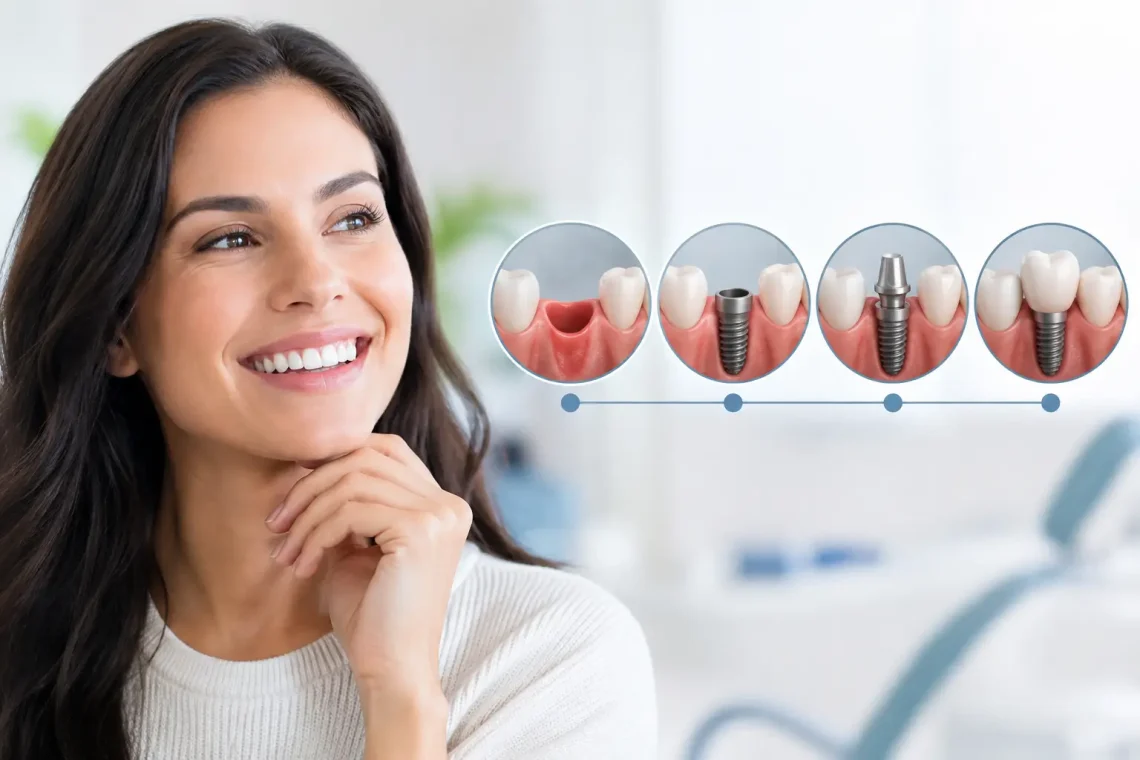
A missing or failing tooth can make every meal, conversation, and photo feel more complicated than it should. The tooth extraction implant timeline is not one fixed schedule for every patient, but understanding the possible paths can make the decision feel far less overwhelming. For many patients, an implant can be placed the same day as an extraction. For others, allowing the area to heal first creates the safest, strongest foundation for a lasting result.
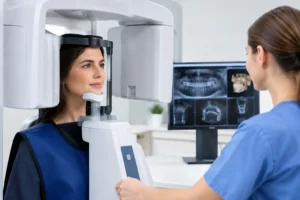
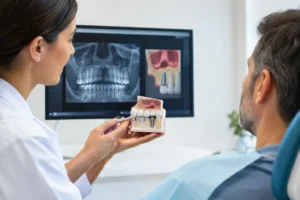
At California Dental Implants Specialists, treatment planning begins with a detailed consultation and digital CT imaging. This allows the implant team to look beyond the visible tooth and assess bone volume, gum health, bite forces, and the condition of nearby teeth before recommending a timeline.
What Happens After a Tooth Extraction?
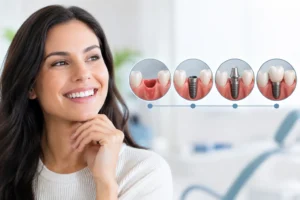
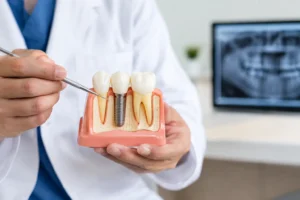
A dental implant replaces the root of a missing tooth with a small titanium post placed in the jawbone. Once the implant bonds with the bone, it can support a crown, bridge, or full-arch restoration that looks natural and helps restore comfortable chewing and speech.
After an extraction, the body immediately begins healing the empty socket. During the first several weeks, gum tissue closes over the site while the jawbone starts to remodel. That remodeling matters because bone can gradually shrink after a tooth is lost, particularly in the front of the mouth or when a tooth has been missing for a long time.
The best timeline is the one that protects your health and gives your restoration the strongest chance of long-term success. Speed can be beneficial, but only when the bone and gums are ready for it.
Tooth Extraction Implant Timeline Options
Your dentist or implant specialist may recommend immediate placement, early placement, or delayed placement. Each option serves a different clinical situation.
Same-Day Extraction and Implant Placement
With immediate implant placement, the damaged tooth is carefully removed and the implant is placed during the same appointment. This approach may be appropriate when there is enough healthy bone around the socket, infection is limited or manageable, and the gums are in good condition.
For the right candidate, placing an implant immediately can reduce the number of surgical visits and may help preserve the shape of the gum and surrounding bone. A temporary tooth may sometimes be placed for appearance, especially in the smile zone. However, a temporary tooth is not always meant for full biting pressure. Your specialist may ask you to follow a soft-food diet while the implant heals.
Same-day treatment does not necessarily mean a same-day permanent crown. The implant still needs time to integrate with the jawbone before it is asked to handle normal chewing forces.
Extraction Followed by Early Implant Placement
An early placement timeline usually means waiting about 6 to 12 weeks after extraction. This gives the gums time to heal and lets inflammation settle while preserving much of the available bone.
This is often a strong option when the extracted tooth had an infection, the socket needs time to recover, or the soft tissue needs to become healthier before implant surgery. It can offer a useful balance between moving forward promptly and allowing the body adequate healing time.
Delayed Implant Placement After Full Healing
In some cases, the best plan is to wait three to six months or longer after extraction. Delayed placement may be recommended if there was significant infection, substantial bone loss, complex gum disease, or a need for bone grafting.
Waiting can feel frustrating when you are eager to replace a tooth, but it is not lost time. It may allow the implant site to become stronger, more stable, and better positioned for a natural-looking final restoration. A temporary replacement can often be discussed so you are not left feeling self-conscious during the healing period.
When Bone Grafting Changes the Schedule
Bone grafting is one of the most common factors that affects an implant timeline. If the extraction leaves a thin socket wall, a large gap, or too little bone to anchor an implant securely, grafting material may be placed to help preserve or rebuild the area.
Sometimes a socket graft is completed at the time of extraction. In other situations, a larger grafting procedure is needed before an implant can be placed. Healing commonly takes several months, though the exact timing depends on the size and location of the graft, your overall health, and how your body responds.
A CT scan helps the implant specialist measure bone precisely instead of relying on guesswork. That extra planning is especially valuable for upper back teeth near the sinus, lower teeth near important nerves, and areas where a tooth has been missing for years.
How Long Until the Final Crown?
After the implant is placed, osseointegration begins. This is the natural process in which bone grows tightly around the implant surface. Many patients need about three to six months before the implant is ready for its final crown, although healing can be shorter or longer depending on the case.
During this period, follow-up appointments help the team confirm that the implant is stable and that the gums are healing attractively around it. Once healing is complete, a custom crown is designed to match the shade, shape, and bite of your surrounding teeth.
The crown appointment is where the process becomes especially rewarding. Your new tooth is secured to the implant, allowing you to smile, speak, and eat with the confidence of a fixed solution. With proper care, an implant restoration is designed to provide durable support for many years.
A Typical Timeline at a Glance
While every plan is personalized, a straightforward case often follows this general schedule:
- Consultation and CT imaging: first visit
- Extraction and implant placement: same day, or after a healing period
- Implant healing: roughly three to six months
- Final crown: after the implant is stable and the gums are ready
If grafting, active infection, or more complex oral health needs are involved, the overall process may take six months to a year. Full-mouth implant treatment follows a different schedule and may allow a fixed temporary set of teeth much sooner, even while the implants continue healing beneath the gums.
Factors That Can Speed Up or Slow Down Healing
Your timeline is influenced by more than the extraction site alone. Healthy gums, adequate bone, good oral hygiene, and a stable bite can support a smoother process. Smoking or vaping, uncontrolled diabetes, untreated gum disease, teeth grinding, and certain medications can slow healing or increase risk.
This does not mean implants are automatically out of reach if you have a health concern. It means your specialist should account for it in the treatment plan. For example, a night guard may protect an implant from grinding forces, while periodontal treatment may be recommended before implant placement.
Following aftercare instructions also makes a real difference. Take medications as directed, avoid smoking, keep the surgical area clean as instructed, and attend follow-up visits. Avoid chewing hard foods on a temporary restoration until your implant team says it is safe.
Why a Personalized Plan Matters
Online timelines can provide useful expectations, but they cannot show the condition of your jawbone or whether an infection has affected the site. A low-cost implant offer should never mean rushed care or one-size-fits-all recommendations. The value comes from combining clear pricing with careful diagnostics, experienced surgical planning, and a restoration designed for your bite.
If you are facing an extraction, ask whether immediate placement is clinically appropriate, whether grafting is likely, what you will wear during healing, and when you can expect your final tooth. Clear answers help you plan around work, travel, meals, and your budget, including financing or insurance benefits when available.
The next step is simply getting an expert evaluation before the tooth is removed or as soon as possible afterward. A thoughtful plan can protect the bone you have today and move you closer to a secure, natural-looking smile that feels like your own again.