A missing upper back tooth can create a frustrating problem: there may not be enough jawbone left to support the dental implant you want. The sinus cavity sits directly above the upper molars and premolars, and after tooth loss, the available bone in this area often becomes thinner over time. Sinus lift surgery creates the space and support needed for many patients to move forward with stable, lasting upper dental implants.
What Is Sinus Lift Surgery?
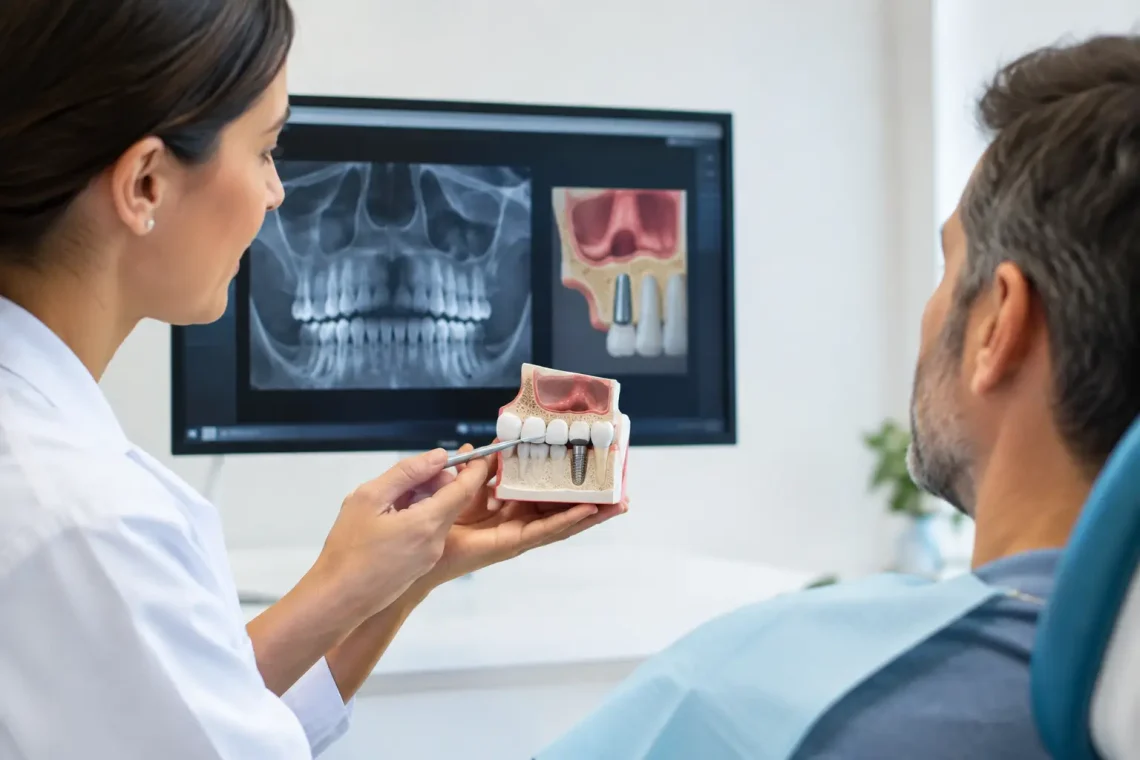
A sinus lift is a bone grafting procedure performed in the upper jaw. Its purpose is not to treat a sinus infection or improve breathing. Instead, it carefully raises the thin membrane lining the maxillary sinus and places bone graft material beneath it. This adds height and volume to the jawbone where an implant will be placed.
Think of it as rebuilding the foundation before placing a permanent tooth replacement. Dental implants need enough healthy bone to remain secure under everyday chewing pressure. When bone is too shallow in the back of the upper jaw, placing an implant without grafting may compromise its stability and long-term success.
This issue is common after teeth have been missing for years, but it can also affect patients who recently lost a tooth. Natural anatomy matters too. Some people simply have larger or lower-positioned sinus cavities that leave less bone available for an implant.
When a Sinus Lift May Be Recommended Before Implants
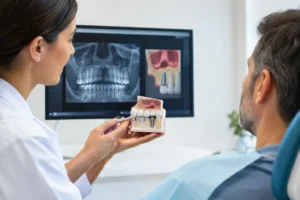
A sinus lift is not automatically needed for every upper implant. The decision depends on the amount, density, and position of the bone, along with the location of the planned implant. A specialist uses a digital CT scan to view these details in three dimensions rather than relying only on a standard dental X-ray.
You may be a candidate if you are replacing one or more upper premolars or molars and have experienced bone loss after extraction. It may also be recommended when a previous tooth infection, periodontal disease, trauma, or long-term denture use has affected the jawbone.
The key question is whether there is enough bone to place an implant at the correct angle and depth while keeping it secure. In some cases, a shorter implant or a different treatment design may be appropriate. In others, a sinus lift offers the most predictable path to a strong restoration that feels natural when you eat and speak.
The Type of Implant Treatment Matters
A patient replacing a single upper molar may need a different plan than someone restoring several missing teeth or considering full-mouth implants. The condition of neighboring teeth, bite forces, gum health, and overall bone structure all influence the recommendation.
This is why personalized planning matters. A procedure that is ideal for one patient may be unnecessary for another. Clear imaging and an experienced clinical evaluation help avoid both undertreatment and procedures that do not add meaningful value to your result.
How the Sinus Lift Procedure Works
Sinus lift surgery is typically completed with local anesthesia, and sedation options may be available depending on the treatment plan and patient comfort needs. The surgical approach is designed around your anatomy and the amount of bone needed.
For a larger amount of bone grafting, the provider may use a lateral window approach. A small opening is made in the side of the upper jaw, allowing careful access to the sinus membrane. The membrane is gently elevated, and graft material is placed into the newly created space.
When only a modest amount of added height is needed, an internal or crestal sinus lift may be possible. This technique accesses the area through the implant site itself. It can be less extensive, but it is not suitable for every situation.
The bone graft material acts as a scaffold that supports your body’s natural bone-building process. Over time, the graft and your existing bone develop into a stronger foundation. Depending on how much healthy bone is already present, the implant may be placed during the same appointment or after a healing period.
Immediate implant placement can reduce the number of surgical visits, but it is only appropriate when the implant can achieve reliable initial stability. If the available bone is very limited, allowing the graft to heal first may provide a more secure outcome. Taking the right timeline is often better than rushing a permanent treatment.
Recovery After Sinus Lift Surgery
Most patients are surprised that recovery is manageable with proper planning and instructions. Mild swelling, tenderness, bruising, and minor bleeding can occur during the first several days. Your care team may recommend prescribed or over-the-counter medications, a soft-food diet, and cold compresses to support comfort.
The most important part of healing is protecting the sinus area. You may be asked to avoid forceful nose blowing, sneezing with your mouth closed, drinking through straws, smoking, and strenuous activity for a period of time. These actions can increase pressure in the sinus and interfere with healing.
Follow-up visits allow the provider to monitor the surgical site and answer questions as you recover. The visible tissue often feels better relatively quickly, but bone healing takes longer. Many sinus grafts need several months to mature before a final implant is placed, commonly around four to nine months depending on the graft size, your health, and your body’s healing response.
Risks and Factors That Need Attention
Sinus lift procedures have a strong track record when they are carefully planned and performed, but no surgical treatment is risk-free. The sinus membrane can tear during surgery, although experienced providers can often manage a small tear at the time of treatment. Other possible concerns include infection, swelling that lasts longer than expected, graft healing issues, or sinus-related symptoms.
Your overall health plays a role. Smoking and nicotine use can significantly affect blood flow and bone healing. Uncontrolled diabetes, active gum disease, certain medications, and untreated sinus problems may require additional coordination or a modified treatment plan. Be open about your medical history, current medications, and any recurring sinus concerns before surgery.
A sinus lift may need to be postponed if you have an active sinus infection or severe nasal congestion. The goal is not simply to complete a procedure. It is to create conditions that support a predictable implant result.
Understanding Cost and Treatment Planning
The cost of sinus lift surgery varies based on the technique used, the amount and type of graft material required, whether an implant is placed at the same time, and the complexity of your case. It is separate from the cost of the implant and final crown in many treatment plans, so asking for a clear, itemized estimate is reasonable.
Affordability should never mean guessing about what is included. During a consultation, ask how imaging, graft materials, surgical visits, implant placement, the abutment, and the final restoration are handled in the estimate. If financing or insurance benefits are available, understanding those details early can help you plan with confidence.
At California Dental Implants Specialists, in-house digital CT imaging supports detailed treatment planning before surgery. That precision helps identify whether a sinus lift is truly needed and, if it is, which approach best supports your long-term implant outcome.
A Strong Foundation Is Worth the Extra Step
Needing additional bone does not mean you are not a candidate for dental implants. For many people, it means there is a proven step between tooth loss and a stable new smile. A thoughtful consultation can replace uncertainty with a clear plan, helping you decide when sinus lift surgery is the right investment in comfortable chewing, lasting function, and renewed confidence.