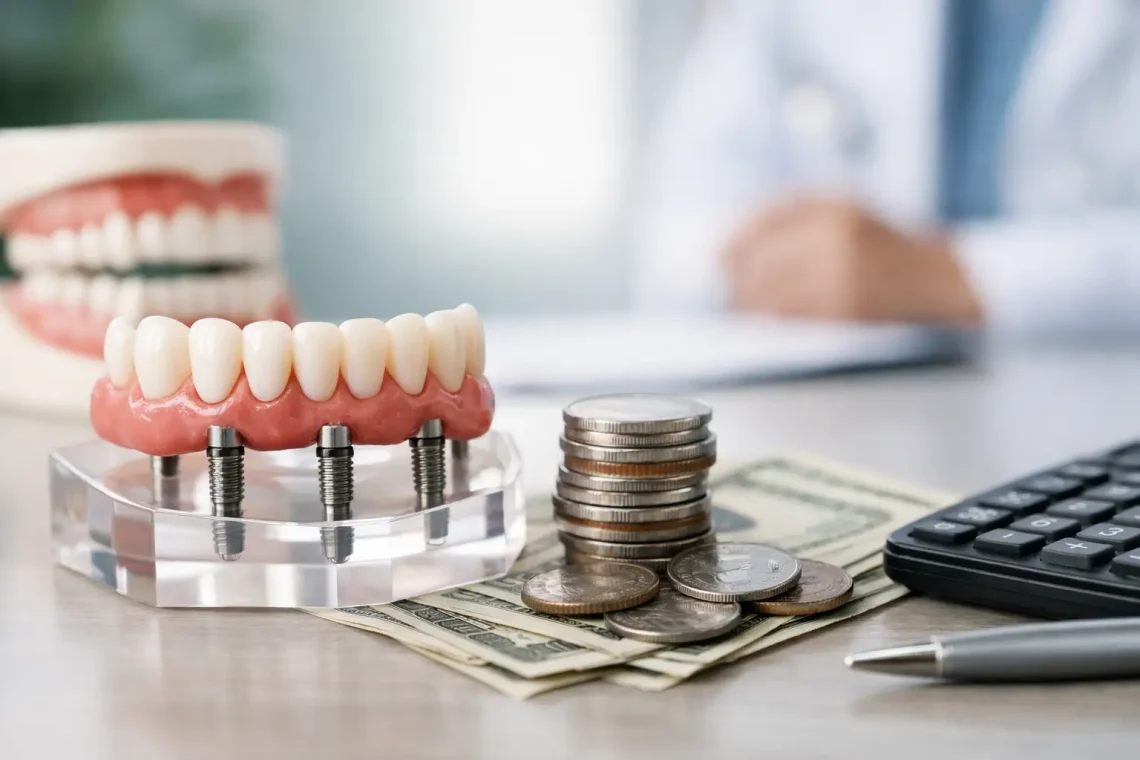
Sticker shock is common when patients first ask about all on 4 implants cost. The number can feel big at first glance, especially if you are comparing it to dentures or searching online and seeing prices that seem all over the map. But full-mouth implant treatment is not a one-size-fits-all purchase. It is a custom medical solution designed to restore how you eat, speak, smile, and live every day.
If you are missing most or all of your teeth, dealing with failing dental work, or tired of loose dentures, cost matters for a good reason. You want clarity before making a life-changing decision. The right question is not just, “What do All-on-4 implants cost?” It is also, “What am I getting for that investment, and what factors change the price?”
What is included in all on 4 implants cost?
All-on-4 is a full-arch tooth replacement solution that uses four strategically placed dental implants to support a fixed set of teeth. In some cases, a provider may recommend more than four implants depending on your anatomy, bite force, or long-term goals, which is why you may also hear the term All-on-X.
When patients look at all on 4 implants cost, they often assume they are paying only for the implants themselves. In reality, the fee usually reflects multiple parts of treatment. That can include your consultation, digital imaging such as a CT scan, treatment planning, any needed extractions, implant surgery, temporary teeth, follow-up visits, and the final full-arch prosthetic.
This is one reason pricing varies so much from office to office. One quote may include more steps, better materials, sedation options, or a stronger final restoration. Another may advertise a lower starting figure but leave out important parts of care that are billed later.
Why the price range can vary so much
There is no single national price that fits every patient. Some people need a relatively straightforward case with strong bone and minimal prep. Others need extractions, bone reduction, gum contouring, or a more advanced prosthetic design. That difference affects both time and cost.
Location matters too. In Southern California, overhead, lab costs, and specialist involvement can influence fees. At the same time, a high-volume implant practice may be able to offer more competitive pricing than a general office that handles only occasional implant cases.
The experience of the doctor also plays a role. A specialist using advanced digital planning and guided placement may cost more than a budget provider, but that higher level of precision can reduce complications and improve fit, comfort, and long-term stability.
Main factors that affect All-on-4 implants cost
The first major factor is whether treatment is for one arch or both arches. Replacing a full upper arch will cost less than restoring both upper and lower teeth at the same time. If you need a complete full-mouth rehabilitation, your total investment will naturally be higher.
The second factor is your starting point. Patients who still have damaged, infected, or failing teeth may need extractions before implants can be placed. If gum disease or chronic infection is present, that may need to be addressed as part of the treatment plan.
The third factor is bone support. One benefit of the All-on-4 concept is that it often helps patients avoid more extensive grafting by placing the back implants at an angle. Still, not every patient is the same. Some cases need additional preparation to create a healthy foundation.
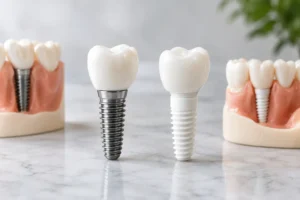
Another major cost factor is the final prosthetic. Temporary teeth and permanent teeth are not the same. Your final arch may be made from acrylic, zirconia, or another restorative material, and each has its own price point, durability profile, and aesthetic advantages. Zirconia, for example, is often chosen for its strength and natural appearance, but it usually costs more.
Sedation and comfort options can also affect the fee. Some patients are comfortable with local anesthesia alone. Others prefer oral sedation or a deeper sedation experience, especially for a full-arch procedure.
Cheaper treatment is not always lower cost
A low advertised price can be appealing, especially when you are already worried about affording care. But with implant treatment, the cheapest number is not always the best value.
If a quote does not include imaging, extractions, temporaries, or the final restoration, your total can rise quickly. If low-cost treatment leads to poor implant positioning, bite issues, or an uncomfortable prosthetic, the financial and emotional cost can be much higher later.
This does not mean you need to choose the most expensive option. It means you should look for transparent pricing, clear treatment planning, and a provider who explains what is included. Good value comes from a balance of affordability, clinical skill, and durable results.
How financing changes the conversation
For many patients, affordability is less about the full price and more about monthly payments. That is where financing can make full-arch implant treatment feel much more realistic.
Instead of postponing care for years, patients can often move forward with a structured payment plan that fits their budget. That matters because waiting too long can make oral health problems worse. Broken teeth, ongoing infection, bone loss, and unstable dentures tend to create bigger issues over time, not smaller ones.
Insurance may also help in some cases, although coverage for implant treatment varies widely. Some plans contribute toward extractions, imaging, or portions of the prosthetic. The only way to know for sure is to have your benefits reviewed as part of your consultation.
At California Dental Implants Specialists, many patients appreciate having financing options, free consultations, and a clear path to understanding what treatment will actually cost before making a decision.
What you are really paying for
When full-mouth implants are done well, you are not just paying for replacement teeth. You are investing in daily function and long-term quality of life.
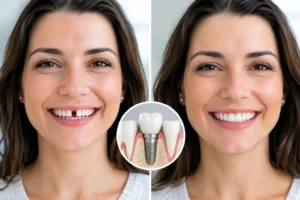
Patients often talk first about appearance, and that is understandable. A complete smile can restore confidence in a powerful way. But the practical benefits are often even more meaningful. Fixed implant teeth can help you chew more comfortably, speak more clearly, and avoid the slipping and pressure points that come with removable dentures.
There is also a structural benefit. Tooth loss does not just leave gaps in your smile. Over time, it can contribute to bone loss and changes in facial support. Implant treatment helps stimulate the jaw and supports a more natural foundation for your smile.
That is why the true value of all on 4 implants cost should be measured over years, not just the day you receive the quote.
Questions to ask at your consultation
A good consultation should leave you feeling informed, not pressured. If you are comparing providers, ask what the quoted fee includes, whether temporaries and finals are separate, what material is used for the final teeth, and whether extractions or sedation are additional.
You should also ask who is placing the implants, what imaging and planning technology is used, and whether your case may require more than four implants. For some patients, All-on-X is the better long-term choice, even if they originally came in asking only about All-on-4.
It is also smart to ask about maintenance. Full-arch implant restorations are fixed, but they still require professional follow-up and good home care. Knowing what long-term upkeep looks like helps you plan realistically.
Is the cost worth it?
That depends on your goals, your oral health, and what you are living with now. If you are struggling with multiple failing teeth, avoiding certain foods, hiding your smile, or relying on dentures that never feel secure, the impact on your daily life is real.
For many patients, full-arch implants are worth it because they replace ongoing frustration with stability. They make meals easier. They reduce self-consciousness. They give people a reason to stop putting off social events, photos, and conversations.
Cost should absolutely be part of the decision. But it should not be the only lens. The better question is whether the treatment gives you a reliable, lasting solution that supports your health, comfort, and confidence.
If you are considering full-mouth implants, the most useful next step is a personalized evaluation. Once you know your bone levels, your treatment needs, and your restoration options, all on 4 implants cost becomes much less mysterious and much more manageable. The right plan should feel like a path forward, not a dead end.