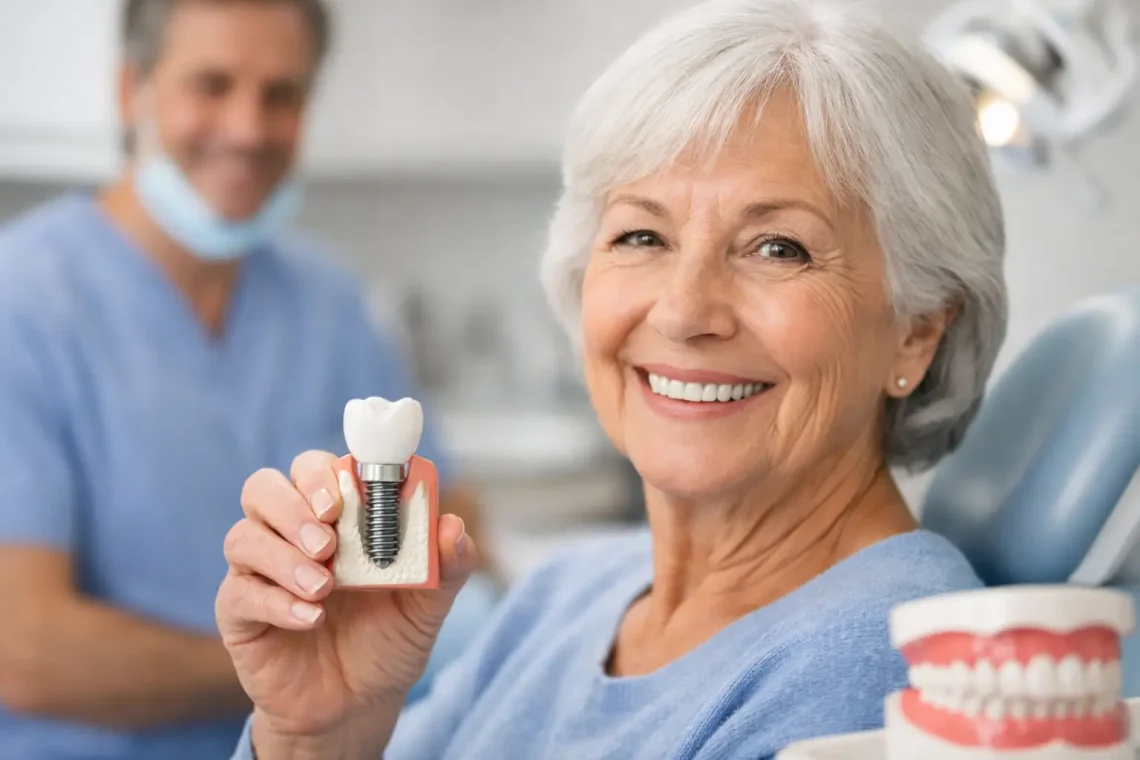
A lot of people ask this after years of dealing with missing teeth, loose dentures, or the slow frustration of not being able to chew like they used to: can seniors get dental implants? In most cases, yes. Age by itself is usually not the reason someone is approved or denied. What matters more is overall health, bone support, gum condition, and whether treatment is planned carefully.
That answer surprises many older adults because they assume implants are only for younger patients. In reality, many seniors are excellent candidates. If you are healthy enough for routine dental care and want a more secure, long-term tooth replacement option, implants may still be on the table.
Can seniors get dental implants safely?
For most seniors, the question is less about age and more about safety and predictability. Dental implants are a well-established treatment used to replace single teeth, several teeth, or even a full arch. With proper evaluation, many patients in their 60s, 70s, and even 80s move forward successfully.
The biggest factor is your medical and dental picture as a whole. Conditions like diabetes, osteoporosis, heart disease, or a history of smoking do not automatically rule out implants, but they do affect planning. A good implant provider will review medications, healing history, oral health, and jawbone quality before recommending treatment.
This is where technology matters. Digital imaging and CT scans can show bone density, sinus position, nerve location, and the best implant placement angles. That makes treatment more precise and helps reduce surprises.
What matters more than age
If you have been told, or assumed, that you are too old for implants, it helps to know what dentists actually look for.
Bone support is a major factor. Implants need enough healthy jawbone to anchor securely. Seniors who have worn dentures for years sometimes have bone loss, but that does not always mean implants are off the table. In some cases, bone grafting can rebuild support. In others, treatment can be designed around the bone that remains, especially with certain full-arch implant options.
Gum health matters too. Active gum infection has to be treated before implants are placed. Healthy tissue gives the implant a better environment to heal and last.
Overall health also plays a role. Controlled medical conditions are often manageable. Poorly controlled diabetes, heavy smoking, or medications that affect bone healing may require extra precautions, but they do not automatically end the conversation.
Why many seniors choose implants
For older adults, implants are often about function first. Looking better is nice, but eating comfortably, speaking clearly, and feeling secure in social settings usually matters more.
Traditional dentures can shift, click, or create sore spots. They may also limit what you can eat. Many seniors get tired of adhesives, food restrictions, and the worry that their teeth will move at the wrong moment. Implant-supported solutions feel more stable because they are anchored in the jaw.
There is also the issue of bone loss. When teeth are missing, the jawbone in that area can begin to shrink over time. Dental implants stimulate the bone in a way that removable dentures do not. That can help support facial structure and preserve the jaw longer.
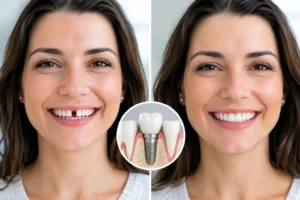
For someone missing one tooth, a single implant can replace it without relying on neighboring teeth. For someone missing many or all teeth, implant-supported bridges or full-mouth systems can offer a major improvement in stability and daily comfort.
Different implant options for seniors
Not every senior needs the same treatment. The right option depends on how many teeth are missing, the amount of available bone, budget, and personal goals.
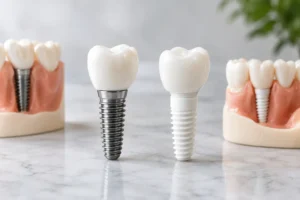
A single missing tooth may be best replaced with one implant and a crown. Several missing teeth in a row may call for an implant bridge. Patients struggling with loose dentures often do well with implant-supported dentures, which snap into place more securely than traditional removable dentures.
For seniors with severe tooth loss or failing teeth, full-arch options such as All-On-4 or All-On-X can be life-changing. These treatments use a small number of carefully placed implants to support a full set of fixed teeth. They are often a strong solution for people who want to move beyond removable dentures and get back to eating and smiling with confidence.
Healing and recovery in older adults
Many seniors worry that they will not heal well enough for implants. Healing can be slower in some older adults, but slower does not mean impossible. It simply means treatment should be planned with care and realistic expectations.
After implant placement, the bone needs time to fuse with the implant. This process is called osseointegration. Some patients heal quickly, while others need more time depending on bone quality, health conditions, and whether grafting was involved.
The first few days after surgery are usually manageable with standard post-op care. Mild swelling, soreness, and dietary adjustments are common. Most patients are pleasantly surprised that recovery is easier than expected. The more complex the case, the more detailed the timeline, but age alone is not the deciding factor.
Following instructions is essential. Good home care, regular follow-up visits, and avoiding habits like smoking can make a major difference in healing and long-term success.
Can seniors get dental implants if they have bone loss?
Yes, many can. Bone loss is common after years of missing teeth or long-term denture use, so it comes up often in senior implant cases. What matters is how much bone remains and what type of treatment is being considered.
Some patients need a bone graft before implant placement. Others may qualify for implant designs or full-arch approaches that work with existing anatomy. This is why a consultation with detailed imaging is so important. A quick look in the mouth does not tell the whole story.
If you were told years ago that you were not a candidate, it may be worth getting a fresh evaluation. Implant techniques, imaging, and treatment planning have improved significantly.
Cost is a real concern, and it should be discussed honestly
Seniors often want the best solution, but they also need it to fit their budget. That is completely reasonable. Dental implants usually cost more upfront than removable dentures, but they can provide more stability, comfort, and long-term value.
The final cost depends on whether you need extractions, grafting, a single implant, a bridge, or full-mouth treatment. Materials, sedation, and the complexity of the case also affect price. That is why a personalized consultation matters.
For many older adults, financing options and insurance coordination make treatment more achievable than expected. California Dental Implants Specialists has built its approach around making advanced implant care more accessible, which matters when patients are trying to balance quality with affordability.
Questions seniors should ask at a consultation
A good implant consultation should feel clear, not overwhelming. You should leave understanding whether you are a candidate, what the process looks like, how long treatment will take, and what your realistic costs may be.
It is smart to ask how many implant cases like yours the practice handles, whether CT imaging is used, what alternatives exist, and what kind of maintenance is required after treatment. If you wear dentures now, ask whether implants could improve stability enough to make daily life easier.
You should also ask about trade-offs. In some cases, a removable implant-supported denture may be more budget-friendly than a fully fixed arch. In other cases, investing more upfront may give you a better result over time. The right answer depends on your goals, health, and finances.
The emotional side matters too
Tooth loss can slowly change how people live. It affects meals, conversations, photos, and confidence in ways that are easy to minimize until they start piling up. Many seniors adapt for years before finally asking about implants.
That is why this decision is not just clinical. It is personal. Being able to eat comfortably at dinner, speak without worrying about movement, and stop thinking about your teeth all day can have a real impact on quality of life.
If you have been putting this off because you assumed you were too old, too far gone, or too late, it may be worth challenging that assumption. The better question is not whether you are a certain age. It is whether the right treatment plan can help you feel stronger, more comfortable, and more like yourself again.
A well-planned implant consultation can answer that clearly, and for many seniors, the answer is more encouraging than they expected.