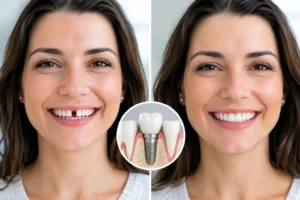
A loose denture at dinner, a gap that makes you hide your smile, or a tooth that cannot be saved can affect far more than appearance. It can change what you order, how clearly you speak, and how comfortable you feel around other people. So, are dental implants worth it? For many patients, the answer is yes because implants replace both the visible tooth and the missing root support beneath it. But the right choice depends on your health, goals, budget, and the quality of the treatment plan.
Dental implants are not a quick cosmetic fix. They are a long-term tooth replacement solution designed to restore chewing function, support the jawbone, and create a stable foundation for a crown, bridge, or full-arch restoration. That distinction is why so many patients see them as an investment rather than just another dental expense.
What Makes Dental Implants Different?
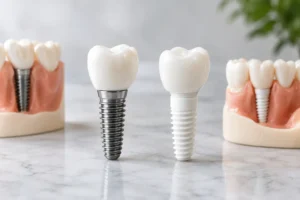
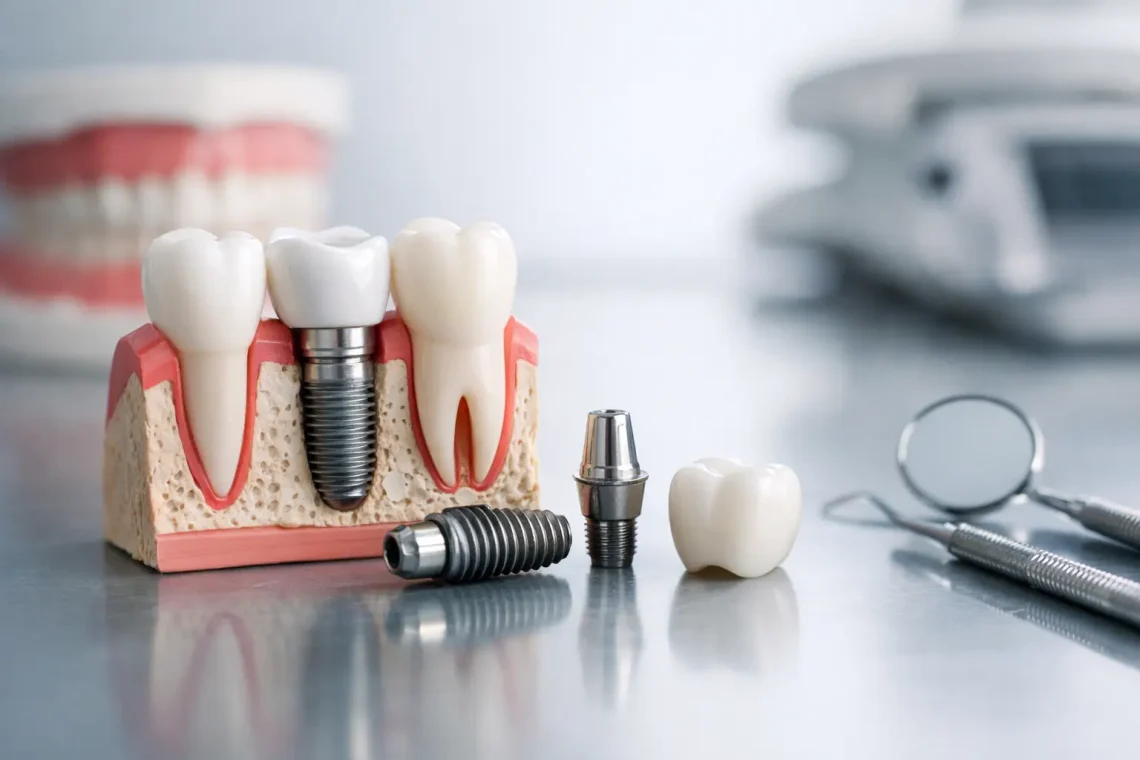
A dental implant is a small post, typically made from biocompatible titanium, placed in the jawbone where a tooth root once was. Over time, the bone can integrate with the implant, helping it function as a secure anchor. Once healing and planning are complete, the implant can support a natural-looking replacement tooth.
A traditional bridge fills a gap by relying on neighboring teeth for support. A removable denture rests on the gums and may shift during daily activities. Both can be appropriate solutions in certain situations, but neither replaces the root beneath the gumline the way an implant does.
That root-like support matters. After tooth loss, the jawbone in that area can gradually shrink because it is no longer being stimulated by chewing. Bone loss may affect facial support, bite stability, and the options available for future tooth replacement. An implant cannot reverse every change that has already occurred, but it can help preserve the bone around the implant site once it is placed.
Are Dental Implants Worth It for Everyday Life?
The value of an implant often becomes clearest in ordinary moments. Patients want to bite into an apple, enjoy a steak, speak in a meeting, laugh in photos, and go through the day without worrying that a denture will move. A well-planned implant restoration is fixed in place and designed to feel stable while chewing and speaking.
For a single missing tooth, an implant can restore the space without altering healthy teeth on either side. For several missing teeth, an implant-supported bridge may provide a more secure alternative to a removable partial denture. For people who are tired of loose full dentures, full-mouth options such as All-On-4 or All-On-X can provide a fixed arch supported by strategically placed implants.
The emotional benefit is real, too. Tooth loss can make people withdraw from social situations or avoid smiling. Restoring a complete smile is not only about cosmetic confidence. It can help a patient feel more like themselves again.
The Financial Question: Cost Now Versus Cost Over Time
Dental implants usually cost more upfront than a removable denture or traditional bridge. That is the most common reason patients hesitate, and it is a reasonable concern. Treatment involves diagnostic imaging, surgical planning, implant placement, healing, and the final restoration. If bone grafting, extractions, or more extensive full-mouth care are needed, the cost and timeline can increase.
The more useful question is not simply, “What is the least expensive option today?” It is, “What solution best protects my comfort, oral health, and budget over the years ahead?” Dentures may require relines as the gums and bone change. Bridges can eventually need replacement, and the supporting teeth may need additional care. Implant restorations also require maintenance and may need repair or replacement over time, but the implant itself can last for many years with proper care.
A clear consultation should separate the price of the implant, restoration, imaging, and any additional treatment that may be needed. Promotional implant pricing can make treatment more accessible, but every patient should understand exactly what is included in their plan. California Dental Implants Specialists offers free consultations so patients can review their options, financing possibilities, insurance benefits, and the clinical steps recommended for their individual needs.
When Implants May Be Especially Worth Considering
Implants tend to offer the strongest value when tooth loss is affecting daily function or when a temporary solution is creating ongoing frustration. If you have one missing tooth, replacing it with an implant may prevent neighboring teeth from drifting into the space. If a bridge has failed or a tooth under a bridge cannot be saved, implants may offer a fresh foundation for replacement.
They can also be life-changing for denture wearers. Traditional dentures can be affordable and effective for some patients, but they may become less stable as the jaw ridge changes. Implant-supported dentures use implants to hold the denture more securely, reducing movement and improving confidence. Fixed full-arch implants may be a better fit for patients seeking a non-removable solution and stronger chewing ability.
People often assume they are too old for implants. Age alone rarely determines candidacy. Overall health, healing ability, bone quality, gum condition, medications, and lifestyle factors are more relevant. Many older adults are excellent candidates and choose implants because they want to continue eating, speaking, and socializing comfortably.
When Another Option May Make More Sense
Implants are not automatically the best answer for every patient. A bridge may be practical when adjacent teeth already need crowns, when treatment time must be shorter, or when surgery is not advisable. A removable denture can be a sensible option for someone with a limited budget or medical conditions that make implant surgery less predictable.
Some patients need to address active gum disease, infection, uncontrolled diabetes, heavy smoking, or significant bone loss before implant placement. Others may need a bone graft or a staged treatment plan. These factors do not always rule out implants, but they can affect cost, healing, and timing.
A trustworthy implant provider will not pressure you into one solution. They will evaluate the entire picture, explain the trade-offs honestly, and recommend a plan that fits your needs. Advanced CT imaging is especially valuable because it allows the surgical team to assess bone volume, nerve locations, sinus spaces, and the ideal implant position before treatment begins.
What Determines Whether an Implant Will Last?
Long-lasting implant results begin with careful planning, but home care matters just as much. Implants cannot get cavities, yet the gums and bone around them can become inflamed if plaque is allowed to build up. This condition can threaten the stability of the implant if it is not treated early.
Patients should brush thoroughly, clean around the implant as instructed, attend regular professional cleanings, and wear a night guard if they grind their teeth. Smoking can interfere with healing and raise the risk of complications, so reducing or stopping tobacco use is one of the best steps a patient can take before and after treatment.
The experience of the clinical team also matters. Implant placement is not simply about putting a post into bone. It requires precise positioning that supports bite function, appearance, gum contours, and the long-term health of surrounding structures. A lower initial price is only valuable when it is paired with appropriate diagnostics, quality materials, skilled surgery, and a restoration designed to fit properly.
How to Decide With Confidence
Start by thinking about the problems you want to solve. Is the priority avoiding a removable appliance? Eating more comfortably? Replacing a failing bridge? Restoring a full mouth of teeth? Your answer will guide the conversation.
At a consultation, ask what type of restoration is recommended, why it suits your situation, how long treatment is expected to take, and what costs may fall outside the advertised starting price. Ask about healing, maintenance, financing, and what happens if you need additional procedures. A good team will welcome these questions and give you time to make an informed decision.
Choosing dental implants is ultimately about choosing a path back to comfort, function, and confidence. If missing teeth are limiting your life, a personalized evaluation can show whether implants are a practical investment in the way you eat, speak, smile, and feel every day.