A missing molar can change far more than the look of your smile. Because molars handle most of the force of chewing, losing one can make everyday meals uncomfortable, cause you to favor one side of your mouth, and place added strain on neighboring teeth. Choosing to replace a missing molar is an investment in comfortable eating, a balanced bite, and the long-term health of your jaw.
Many people delay treatment because the gap is in the back and not visible when they smile. The problem is that teeth and bone do not stay still around an empty space. A personalized consultation can show you what is happening beneath the surface and which tooth replacement option fits your health, goals, schedule, and budget.
Why a Missing Molar Should Not Be Ignored
Molars are built for grinding and breaking down food. When one is lost due to decay, fracture, gum disease, or extraction, the remaining teeth often take on extra workload. This can lead to uneven wear, sensitivity, cracks, or discomfort in the jaw over time.
The teeth on either side of the space may gradually tilt inward. The opposing tooth may also begin to move downward or upward because it no longer has a tooth to meet. These subtle shifts can change your bite, make cleaning more difficult, and create places where plaque can collect.
There is another concern that cannot be seen in the mirror: bone loss. Your jawbone receives stimulation from tooth roots when you chew. After a tooth is removed, the bone in that area can begin to shrink. The rate varies from person to person, but replacing the tooth sooner generally gives you more options for preserving the foundation of your smile.
Options to Replace a Missing Molar
The right treatment depends on the condition of your gums and jawbone, the health of nearby teeth, your bite, and whether you are replacing one tooth or several. A specialist should evaluate the entire picture rather than recommend a one-size-fits-all answer.
A Single Dental Implant
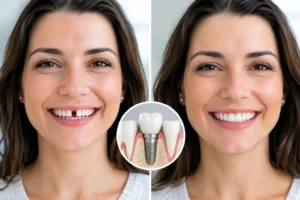
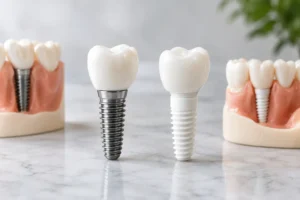
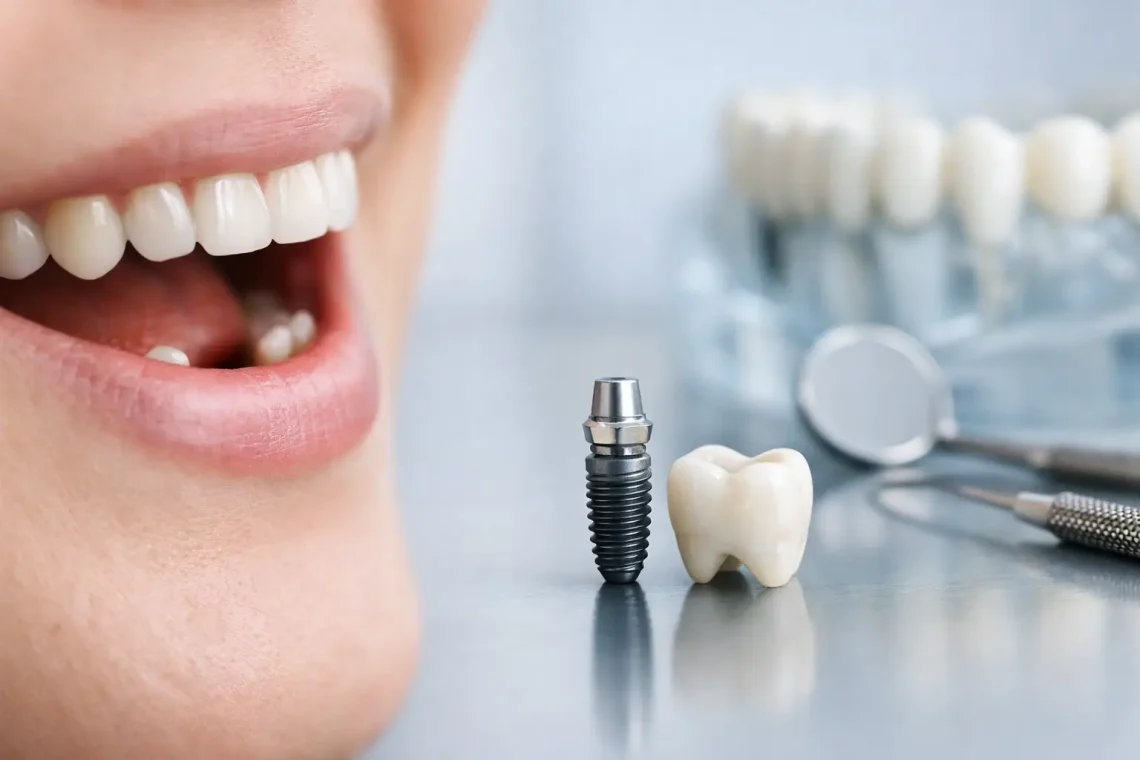
For many patients, a dental implant is the closest replacement for a natural molar. The implant is a small post placed in the jawbone where the root once was. After it integrates with the bone, it supports a custom crown designed to blend with your surrounding teeth.
Unlike a traditional bridge, an implant does not require reshaping the healthy teeth next to the gap. It also provides the jawbone stimulation that helps limit bone loss in the area. Once restored, an implant-supported crown is fixed in place, allowing many patients to chew, speak, and brush much like they would with a natural tooth.
Implants are not automatically the best answer for every patient. Sufficient bone, healthy gum tissue, and overall medical history all matter. If bone has already diminished, bone grafting or a different treatment approach may be recommended before implant placement.
A Dental Bridge
A traditional dental bridge uses crowns on the teeth beside the gap to support an artificial tooth in between. It can be a practical solution when the neighboring teeth already need crowns or when an implant is not appropriate for medical, anatomical, or personal reasons.
A bridge is usually completed faster than an implant process, since it does not require the same healing period for integration with the jawbone. The trade-off is that supporting teeth must be prepared, and a bridge does not stimulate bone beneath the missing tooth. Careful daily cleaning under the bridge is also essential to protect the supporting teeth and gums.
A Removable Partial Denture
A removable partial denture can replace a missing molar, particularly when several teeth are absent or a patient needs a lower-cost short-term option. It is designed to be taken out for cleaning and may use clasps or other attachments for retention.
Some patients appreciate its accessibility, while others find that it feels less stable than a fixed implant or bridge. A partial denture does not prevent bone loss at the extraction site, and it may need periodic adjustments as the mouth changes. It can still play an important role when used as an interim restoration during healing or while planning more comprehensive care.
What Makes Dental Implants Different?
A crown replaces the part of a tooth visible above the gumline. A dental implant replaces the root structure as well as supporting the visible crown. That difference is why implants are often recommended for a single missing molar when a patient is a candidate.
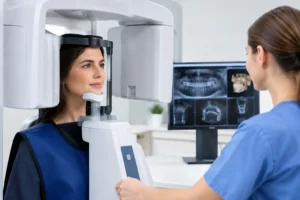
Molar implants are designed to handle substantial chewing forces, but planning matters. The back of the mouth is close to important structures, including the sinus in the upper jaw and nerves in the lower jaw. Advanced digital CT imaging helps the treatment team measure available bone and plan implant position with precision.
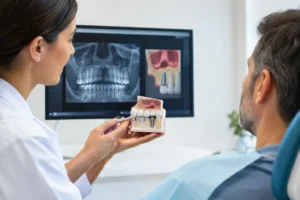
At California Dental Implants Specialists, consultations are designed to make this decision clear, not confusing. Your care team can review imaging, explain whether implant treatment is appropriate, and discuss financing and insurance considerations before you commit to a plan.
The Process of Replacing a Missing Molar With an Implant
The first step is a focused evaluation. Your provider examines the missing-tooth area, your bite, gum health, and nearby teeth. Digital imaging reveals bone volume and helps identify factors that may affect treatment, such as infection, sinus location, or the need for grafting.
If an extraction is still needed, the tooth is removed as gently as possible. In selected cases, an implant may be placed at the same appointment. In other situations, allowing the site to heal first is the safer choice. Neither timeline is universally better. The condition of the bone and gums guides the decision.
During implant placement, the post is positioned in the jawbone under appropriate anesthesia. Most patients describe the experience as easier than expected, especially when they know what will happen and have a clear aftercare plan. Mild swelling or soreness is common for several days and is typically manageable with directions from the clinical team.
The implant then needs time to bond with the bone. This healing phase often takes several months, though timing varies. Once the implant is stable, a custom crown is created and attached. The final restoration is shaped and shaded to support a comfortable bite and natural appearance.
How Long Does It Take and What Does It Cost?
There is no honest single answer for every case. A straightforward implant case may move more quickly than one involving an extraction, infection treatment, bone grafting, or complex bite concerns. Your provider should give you a timeline based on your scan, not a generic promise.
Cost also depends on the treatment selected and the clinical steps required. Ask for a clear explanation of what is included, such as imaging, implant placement, the abutment, the final crown, and any additional procedures. Patients should also ask about available financing and insurance acceptance so the financial plan feels manageable from the beginning.
The lowest initial price is not always the lowest long-term cost. A restoration that protects your bite, is planned accurately, and is maintained well can help reduce the risk of future complications. At the same time, an affordable plan matters. The best choice is one that protects your health without creating unnecessary financial stress.
Caring for Your New Molar
An implant crown cannot develop a cavity, but the gums and bone around it still need daily care. Brush thoroughly, clean between teeth as instructed, and keep regular professional cleanings and exams. Gum inflammation around an implant can become serious when ignored, just as gum disease can threaten natural teeth.
Avoid using your teeth as tools, and let your provider know if you grind or clench. A nightguard may be recommended to protect both your natural teeth and implant restoration from excessive force. If you notice looseness, persistent bleeding, swelling, or a change in your bite, schedule an evaluation promptly.
You do not have to settle for chewing on one side or planning meals around a missing tooth. A consultation gives you a clear view of your options and a path toward eating, speaking, and smiling with greater comfort again.