A dental implant recovery guide should make one thing clear from the start: healing is a process, not a test of toughness. Your body needs time to bond the implant with your jawbone, while your gums recover from surgery. Most patients are pleasantly surprised by how manageable recovery feels when they follow their specialist’s instructions, prepare for the first few days, and give themselves permission to slow down.
Whether you are replacing one missing tooth or beginning a full-mouth restoration, your care plan is personal. The guidance below covers what many patients can expect, but your implant specialist’s instructions always come first.
What Recovery Feels Like After Dental Implants
It is normal to have tenderness, mild swelling, bruising, and minor bleeding after implant surgery. These symptoms usually peak within the first 48 to 72 hours, then begin to improve. Some patients need only over-the-counter pain relief, while others may benefit from prescribed medication, especially after multiple implants, bone grafting, extractions, or full-arch treatment.
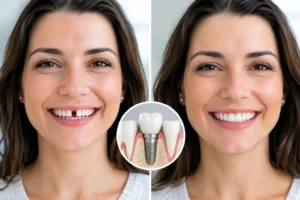
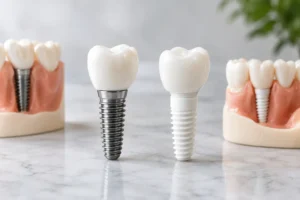
An implant is placed in the jawbone, so recovery involves more than gum healing. Over the next several months, the bone gradually grows around the implant in a process called osseointegration. This secure connection is what allows an implant to support a crown, bridge, or full-arch restoration with the strength and stability of a natural tooth root.
You should not feel severe or worsening pain. Comfort should trend in the right direction each day. If it does not, contact your dental team rather than trying to wait it out.
Dental Implant Recovery Guide: The First Month
The first 24 hours
Plan for a quiet day at home. Rest with your head elevated on pillows, use an ice pack on the outside of your face in short intervals, and take medications exactly as directed. A small amount of blood in your saliva is common. Bite gently on gauze if your provider has instructed you to use it, changing it as directed.
Avoid vigorous rinsing, spitting, using a straw, or touching the surgical site with your finger or tongue. These actions can disturb the early blood clot and irritate the healing tissue. Do not smoke or vape. Nicotine restricts blood flow and can significantly raise the risk of delayed healing or implant failure.
Choose cool, soft foods after the numbness wears off. Yogurt, applesauce, smoothies eaten with a spoon, mashed potatoes, scrambled eggs, and lukewarm soup are usually comfortable options. Avoid hot drinks and foods until bleeding has stopped and numbness is gone.
Days two and three
Swelling may be more noticeable on these days. That is expected, particularly after an extraction or bone graft. Continue using cold compresses during the first 24 to 48 hours if recommended, then transition to gentle warmth if your surgeon advises it.
Keep meals soft and nourishing. Protein supports tissue repair, so eggs, Greek yogurt, soft fish, cottage cheese, protein shakes, and well-cooked beans can be smart choices. Drink plenty of water, but skip alcohol while taking pain medication or antibiotics and until your provider says it is safe.
You may be given a prescription rinse or told to use a gentle warm saltwater rinse. If so, let the liquid move around your mouth without forceful swishing. Good oral hygiene matters, but the surgical area needs a gentle touch.
Days four through seven
By the end of the first week, many patients return to normal routines and desk work. You may still have mild tenderness, bruising, or swelling, but these symptoms should be easing. Light walking is fine for most people, while heavy lifting, intense workouts, and contact sports should wait until your specialist clears you.
Continue brushing the teeth away from the surgical area as usual. Use an extra-soft toothbrush around the implant site and follow your specific instructions for cleaning near stitches. If sutures were placed, they may dissolve on their own or be removed at a follow-up appointment.
Weeks two through four
Your gums should look and feel substantially better during this stage. Many single-implant patients can expand their diet gradually, but hard, crunchy, sticky, or chewy foods may still be off limits. Do not test the implant by chewing ice, nuts, hard candy, or crusty bread on that side.
For patients with immediate temporary teeth after All-On-4, All-On-X, or another full-arch procedure, the soft-food period is often longer. Your temporary bridge protects the implants while healing begins, but it is not designed for heavy biting forces. Following the recommended diet is one of the best ways to protect your investment in a lasting new smile.
Eating Well Without Putting Healing at Risk
Food choices can affect both comfort and recovery. Start soft, then progress only when chewing feels comfortable and your provider approves. The goal is not to avoid nutritious food. It is to avoid placing unnecessary pressure on the implant site.
In the early days, favor foods that are easy to swallow and do not leave sharp pieces behind. Avoid popcorn, chips, seeds, nuts, tough meat, spicy foods that sting irritated tissue, and anything extremely hot. If you have implants on both sides of your mouth or a full-arch restoration, it may take more planning. Prepare soft meals ahead of time so you are not tempted to reach for foods that could cause discomfort.
How to Protect Your New Implant During Healing
The implant may feel stable, but the deeper healing process is still underway. Treat the area carefully even after pain and swelling fade. Brush as instructed, attend every follow-up visit, and wear any temporary restoration, night guard, or protective appliance exactly as prescribed.
Smoking and vaping are among the most serious risks to implant healing. If quitting feels difficult, tell your dental team before treatment. Support and planning can make a meaningful difference. Uncontrolled diabetes, gum disease, teeth grinding, and certain medications can also affect healing, which is why a detailed consultation and medical review matter.
If you clench or grind your teeth, do not ignore it. A custom night guard may help protect your restoration from excess pressure after your specialist determines it is appropriate.
When to Call Your Implant Specialist
A little discomfort is expected. A problem that gets worse instead of better deserves prompt attention. Call your dental office if you experience persistent or increasing bleeding, severe pain not relieved by medication, swelling that worsens after the third day, fever, pus, a foul taste or odor, numbness that does not improve, or a loose-feeling implant or temporary tooth.
Do not try to tighten, glue, or adjust a temporary restoration yourself. A quick professional adjustment can prevent a small issue from becoming a disruption to your treatment plan.
Your Follow-Up Visits Matter
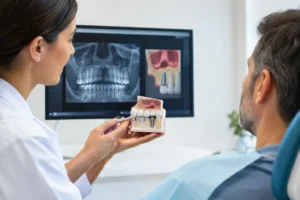
Follow-up appointments allow your implant team to check gum healing, monitor the implant site, remove sutures when needed, and confirm that your bite is not placing excess force on a temporary tooth. Digital imaging may also be used at key points to evaluate bone support and plan your final restoration with precision.
The timeline for receiving your final crown or bridge varies. A straightforward single implant may need several months of bone healing before the final crown is placed. Some full-mouth patients receive fixed temporary teeth on the day of surgery, followed by a final restoration after the implants have integrated. The right timeline depends on bone quality, overall health, the number of implants, and whether grafting or extractions were involved.
Healing well is not about rushing back to normal as quickly as possible. It is about protecting the foundation of a solution designed to help you eat comfortably, speak clearly, and smile with confidence for years to come. If you are considering treatment, California Dental Implants Specialists can help you understand the recovery plan before you commit, so you can move forward feeling informed, supported, and ready.