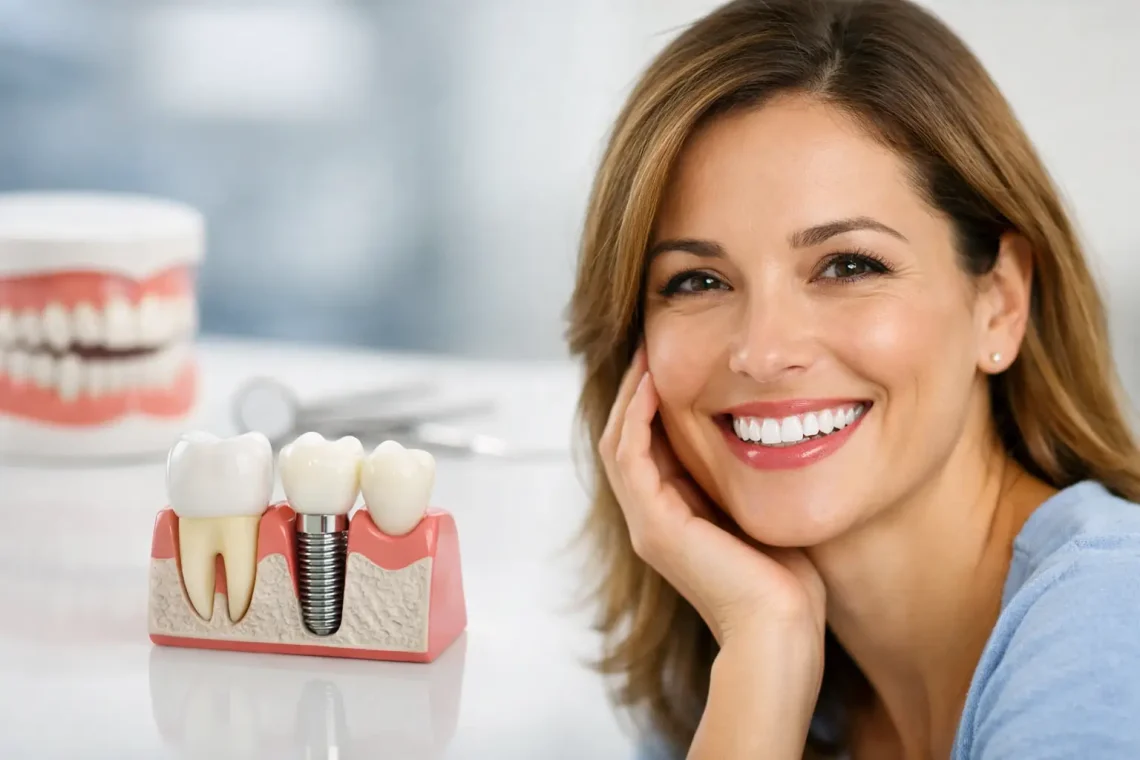
A missing tooth can change far more than a photo. It can make steak, apples, and even casual conversations feel like something to plan around. The top benefits of dental implants come from replacing the tooth from the root up, giving many patients a stable, natural-looking solution that supports daily comfort as well as long-term oral health.
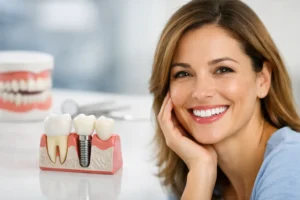
Unlike a removable option that sits on the gums, an implant is a small post placed in the jawbone and topped with a custom restoration. For a single missing tooth, that may be a crown. For several missing teeth or a full arch, implants can support a bridge, denture, or full-mouth restoration. The right approach depends on your health, bone levels, goals, and the number of teeth being replaced.
Top Benefits of Dental Implants: More Than a Better Smile
Dental implants are popular because they are designed to function much like natural tooth roots. Once the implant has integrated with the jawbone and the final restoration is in place, patients can experience a level of stability that traditional removable dentures often cannot provide.
Eat with more confidence
Chewing is one of the most immediate concerns after tooth loss. A loose denture can shift under pressure, making certain foods frustrating or off-limits. Missing teeth can also cause you to favor one side of your mouth, which may make chewing less efficient and uncomfortable over time.
Implants anchor replacement teeth in place. This can make it easier to enjoy a broader range of foods, including crunchy vegetables, lean proteins, and meals that require more chewing. That does not mean every patient has the same biting capacity, especially during healing or with a complex full-mouth case. Still, an implant-supported restoration is typically far more stable than a conventional removable denture.
Speak more naturally
Teeth help guide airflow and support clear pronunciation. Gaps, unstable dentures, or bulky appliances can affect how certain words sound. Many people also develop the habit of covering their mouth or speaking less freely because they worry a denture might move.
A properly designed implant restoration stays fixed in position. Once you have adjusted to it, speaking often feels more natural and predictable. The benefit is practical, but it is also personal: feeling secure during a meeting, phone call, family dinner, or first conversation with someone new can make a meaningful difference.
Help preserve the jawbone
This is one of the most important benefits that is easy to overlook. When a natural tooth root is lost, the section of jawbone beneath it no longer receives the stimulation created by chewing. Over time, that bone can begin to shrink.
An implant is placed in the jawbone, where it can provide stimulation similar to a natural root. While implants cannot reverse every effect of past bone loss, they may help preserve bone in the area after tooth replacement. Maintaining jaw support can also help protect the foundation needed for surrounding teeth and future restorative options.
The timing matters. Some patients can receive an implant soon after an extraction, while others need time to heal or may benefit from bone grafting first. A digital CT scan helps a specialist evaluate bone volume and plan treatment with greater precision.
Support facial structure
Tooth loss and bone loss can gradually affect the way the lower face looks. When several teeth are missing, lips and cheeks may appear less supported, and the distance between the nose and chin can change as the bite collapses. This is especially common for people who have worn conventional dentures for many years.
Dental implants support replacement teeth at a more natural height and can help maintain the underlying jawbone. The result is not about chasing a cosmetic trend. It is about restoring the support that a healthy set of teeth provides to your facial structure, bite, and smile.
Feel secure without adhesives
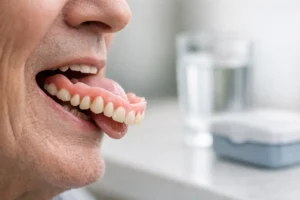
Traditional dentures can be a valuable and affordable solution for some patients, but they may require adhesives, periodic relines, and careful management to prevent slipping. Even a well-made denture can become less stable as the gums and bone change over the years.
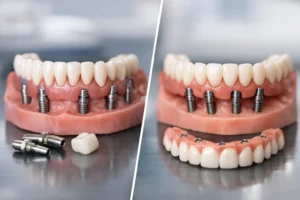
Implant-supported dentures use strategically placed implants to hold the appliance in place. Depending on the treatment design, the denture may snap onto implants for removal at home or be fixed in place and removed only by the dental team for maintenance. Both options can offer more security than a conventional denture, but they have different cleaning routines, costs, and candidacy requirements.
Protect neighboring healthy teeth
A traditional dental bridge often requires reshaping the teeth on either side of a gap so they can support the bridge. That can be an appropriate treatment in certain cases, particularly when those neighboring teeth already need crowns. But when adjacent teeth are healthy, an individual implant can replace the missing tooth without relying on them for support.
This conservative approach allows the nearby teeth to remain intact. It also makes daily flossing and home care more similar to caring for natural teeth, although your dentist will show you the best tools and techniques for cleaning around your specific restoration.
Offer long-term value
Dental implants involve an upfront investment, and cost is a real consideration. Treatment may include imaging, extraction, grafting, implant placement, the final crown or bridge, and follow-up visits. The lowest advertised price may not reflect every part of care, so patients should ask for a clear treatment plan that explains what is included.
When properly planned and maintained, implants are designed for long-term use. They do not decay like natural teeth, though the gum tissue and bone around them still require consistent brushing, cleaning between teeth, and professional care. For many patients, the durability, comfort, and reduced need for repeated denture adjustments make implants a worthwhile investment in quality of life.
Who Can Benefit From Dental Implants?
Adults with one missing tooth, several missing teeth, or an unstable denture may be candidates for implant treatment. Good candidates generally have healthy gums or a plan to treat gum disease, adequate bone or the ability to receive grafting, and a commitment to home care and regular dental visits.
Age alone does not usually rule out implants. Many older adults are excellent candidates, while younger adults may need to wait until jaw growth is complete. Medical conditions such as uncontrolled diabetes, certain immune conditions, smoking, teeth grinding, or medications that affect bone healing may change the treatment plan. They do not automatically mean implants are impossible, but they do make an experienced evaluation especially important.
For patients facing extensive tooth loss, All-On-4 or All-On-X treatment can use a limited number of implants to support a complete arch of fixed teeth. For someone missing only one tooth, a single implant and crown may be the most focused option. There is no one-size-fits-all answer, which is why a consultation should start with your goals, medical history, bite, and CT imaging rather than a generic recommendation.
What the Implant Process Typically Looks Like
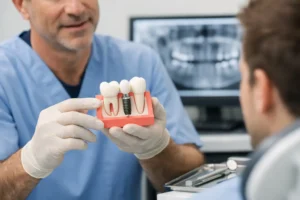
The process begins with a detailed consultation, examination, and 3D imaging. This allows the implant team to assess bone levels, nerve locations, sinus anatomy, gum health, and the condition of remaining teeth. From there, your provider can explain whether you need preparatory treatment, such as an extraction or bone graft.
After implant placement, the jawbone needs time to heal around the implant. Some patients may receive a temporary tooth during this period, while others need a different timeline to protect healing. Once the implant is stable, a custom crown, bridge, or full-arch prosthesis is created to match your bite, smile, and facial proportions.
At California Dental Implants Specialists, this planning-focused approach helps patients understand the clinical steps, expected timeline, financing possibilities, and the treatment option that best fits their needs. Affordable care should still be carefully designed care.
The best next step is not to guess whether you qualify based on a gap in your smile or an old denture that no longer fits. A personal implant consultation can give you clear answers, a realistic treatment plan, and a path toward eating, speaking, and smiling with greater confidence.