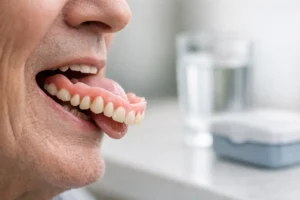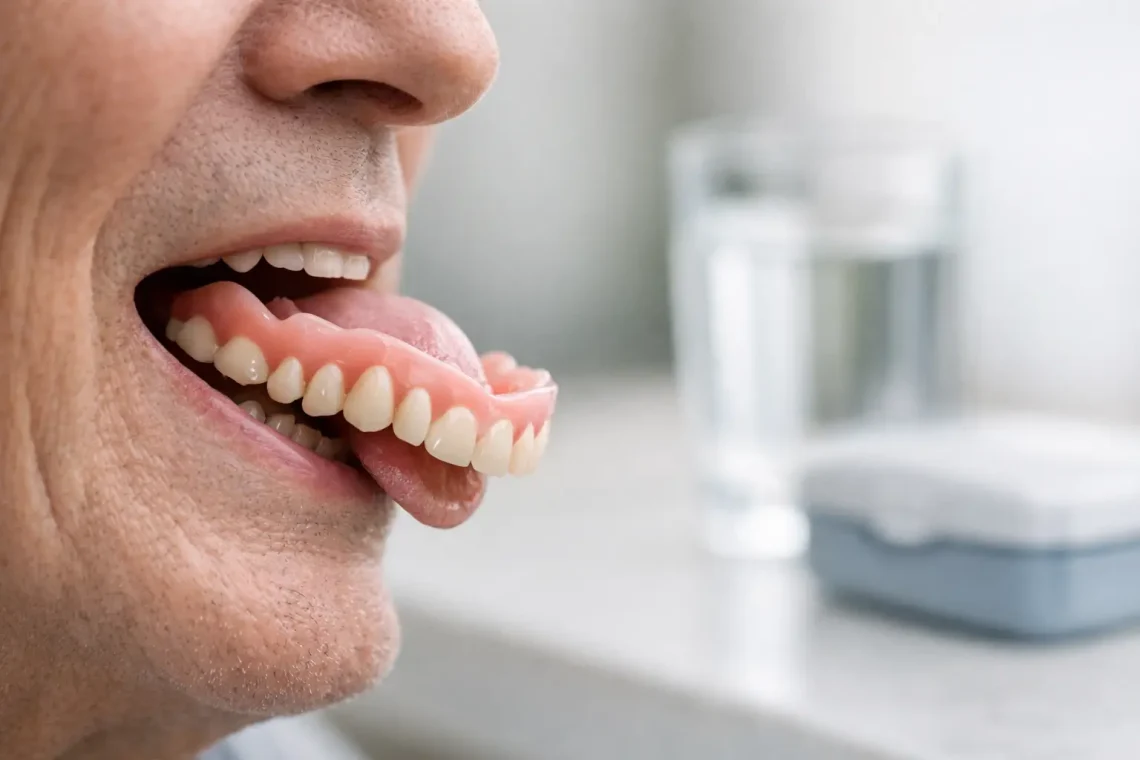
A denture that shifts when you laugh, lifts while you talk, or moves when you try to eat more than soft foods can make every meal feel stressful. The top reasons dentures slip are often tied to normal changes in your mouth, but persistent looseness is not something you simply have to accept. A secure, comfortable smile is possible with the right evaluation and treatment plan.
Why a Slipping Denture Deserves Attention
Many people assume dentures are supposed to move a little. While a removable denture may have some natural movement, it should not repeatedly slide, rock, click, or fall out of place. Loose dentures can cause sore spots, gum irritation, embarrassment in social settings, and trouble chewing nutritious foods.
Over time, instability can also encourage people to avoid smiling, speaking clearly, or eating the foods they enjoy. The problem is not only comfort. It can affect nutrition, confidence, and long-term oral health.
Top Reasons Dentures Slip
Your jawbone has changed shape
The most common reason for denture movement is bone loss in the jaw. After teeth are removed, the tooth roots no longer stimulate the bone beneath them. The body gradually resorbs, or shrinks, this bone because it is no longer needed to support natural teeth.
As the jaw ridge becomes flatter and narrower, a denture made to fit your original gum shape may no longer have a stable foundation. This is especially common with lower dentures. The lower jaw has less surface area for a denture to rest on, and the tongue and cheek muscles can easily push it out of position.
Dentures may be relined or remade to improve the fit when changes are mild. However, bone loss continues without tooth-root replacement. Dental implants can help address the underlying issue by stimulating the jawbone and providing points of support for a replacement smile.
The denture no longer fits correctly
Even a well-made denture has a lifespan. Changes in gums, bone, facial muscles, body weight, and oral tissues can all affect the fit. A denture that once felt secure may begin to rock during chewing or develop a gap where food collects.
Sometimes the solution is a professional adjustment or reline, which reshapes the inside surface of the denture to better match your gums. If the teeth are worn, the base is warped, or the bite no longer meets properly, a new denture may be the more dependable choice.
Trying to fix a poor fit with extra adhesive is rarely a long-term answer. Adhesive can provide temporary support for some patients, but it should not be used to compensate for a denture that has become significantly loose or painful.
Dry mouth reduces natural suction
Saliva does more than keep your mouth comfortable. It helps create a thin seal between a denture and the gums. When saliva production drops, dentures can lose some of their natural grip and feel more likely to slide.
Dry mouth can be related to common medications, dehydration, certain medical conditions, tobacco use, or aging. If you wake up with a dry mouth or frequently need water to swallow food, mention it during your dental visit. Managing dryness may improve comfort, but it will not correct a denture that has become loose because of major bone loss or an outdated fit.
Food, adhesive, or damage is interfering with the fit
Small particles of food beneath a denture can break the seal and make it move. Old adhesive left on the denture or gums can also create uneven pressure and reduce stability. Daily cleaning matters, not just for fresh breath, but for how the denture sits against your mouth.
Cracks, chips, bent clasps, and worn denture teeth can change the way pressure is distributed during biting. Never attempt to repair a denture with household glue. These products are not safe for oral use and can make professional repair more difficult. A dental team can determine whether the denture needs a simple repair, an adjustment, or replacement.
Your bite is out of balance
Dentures need to meet evenly when you close your mouth. If one side contacts first, chewing forces can tip the denture instead of pressing it evenly into place. This may happen as artificial teeth wear down, after a repair, or when a denture was not designed around a balanced bite.
You may notice that the denture shifts most when chewing on one side or when biting into firmer foods. A bite adjustment can sometimes help. When the denture base itself lacks support, though, improving the bite alone may not provide the lasting stability you need.
Facial and muscle movement can dislodge a lower denture
Your cheeks, lips, and tongue are constantly moving while you speak and eat. A lower denture must coexist with all of those muscles in a limited space. If its borders are too long, too short, or no longer shaped for your current anatomy, normal movement can lift or push it around.
This is one reason lower dentures are often the source of the greatest frustration. Patients may find themselves holding the denture in place with their tongue, which can make speech feel less natural and create fatigue throughout the day.
When a Reline May Help and When It May Not
A reline can be a practical option when a denture is in good condition but has become mildly loose due to normal tissue changes. It may improve contact with the gums and reduce rocking. For some patients, it is an affordable way to extend the useful life of a denture.
The trade-off is that a reline does not stop jawbone loss or create a truly fixed tooth replacement. If you have recurring looseness, frequent sore spots, difficulty eating, or a lower denture that repeatedly floats, a reline may offer only temporary relief. A consultation can clarify whether your goals are best served by a new removable denture or a more stable implant-based solution.
How Implant-Supported Dentures Improve Stability
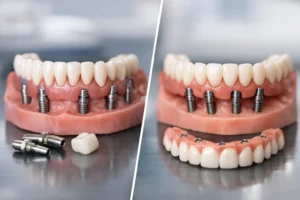
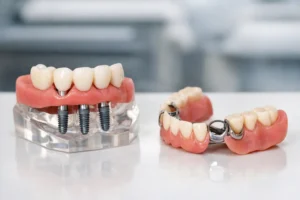
Implant-supported dentures use dental implants placed in the jawbone as anchors for a custom denture. Depending on your needs, the denture may snap securely onto implants for removal at home, or it may be fixed in place and removed only by the dental team for maintenance.
This approach changes how chewing pressure is managed. Instead of relying only on gum tissue and suction, the denture is supported by implants. Many patients experience less movement, stronger chewing ability, clearer speech, and greater confidence when eating in public.
Implants also provide stimulation to the jawbone, which can help preserve bone better than traditional dentures alone. The exact number of implants and the best restoration option depend on your bone volume, health history, bite, and goals. Some patients are candidates for two-implant lower overdentures, while others want a full-arch All-On-4 or All-On-X solution designed to replace an entire upper or lower smile.
Do Not Ignore These Warning Signs
Schedule a professional evaluation if your denture is causing open sores, bleeding gums, persistent pain, frequent gagging, clicking, or repeated difficulty eating. A denture that suddenly stops fitting can also be a sign that your oral tissues need attention.
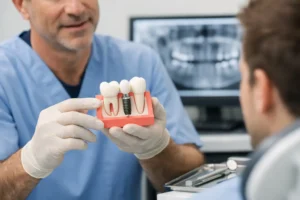
Bring your denture to the appointment, even if it is cracked or you have stopped wearing it. An exam and digital imaging can show what is happening beneath the gums and help your provider recommend a solution based on your mouth, not a one-size-fits-all approach.
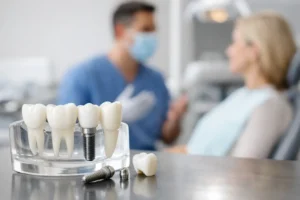
You deserve more than a denture you have to hold in place. At California Dental Implants Specialists, a personalized consultation can help you understand whether an adjustment, new denture, or implant-supported restoration can give you the comfort and confidence to smile, speak, and eat with less hesitation.