A missing tooth can change more than the appearance of a smile. It can make meals frustrating, affect speech, place extra stress on neighboring teeth, and gradually reduce confidence in everyday conversations. That is why specialist implant experience matters when you are considering a permanent tooth replacement. Dental implants are not a one-size-fits-all procedure. The quality of planning, placement, restoration, and follow-up care can shape how your result looks, feels, and functions for years.
For patients throughout Southern California, choosing an implant provider often comes down to a practical question: Who can deliver advanced care without making treatment feel out of reach? The right answer combines clinical focus, modern diagnostics, clear financial guidance, and a team that listens to what you need from your smile.
What Specialist Implant Experience Really Means
Implant experience is not simply about placing an implant post in the jaw. It means understanding how the entire mouth works together, from bone quality and bite alignment to gum health, facial support, and the final appearance of the replacement tooth.
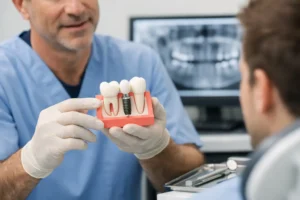
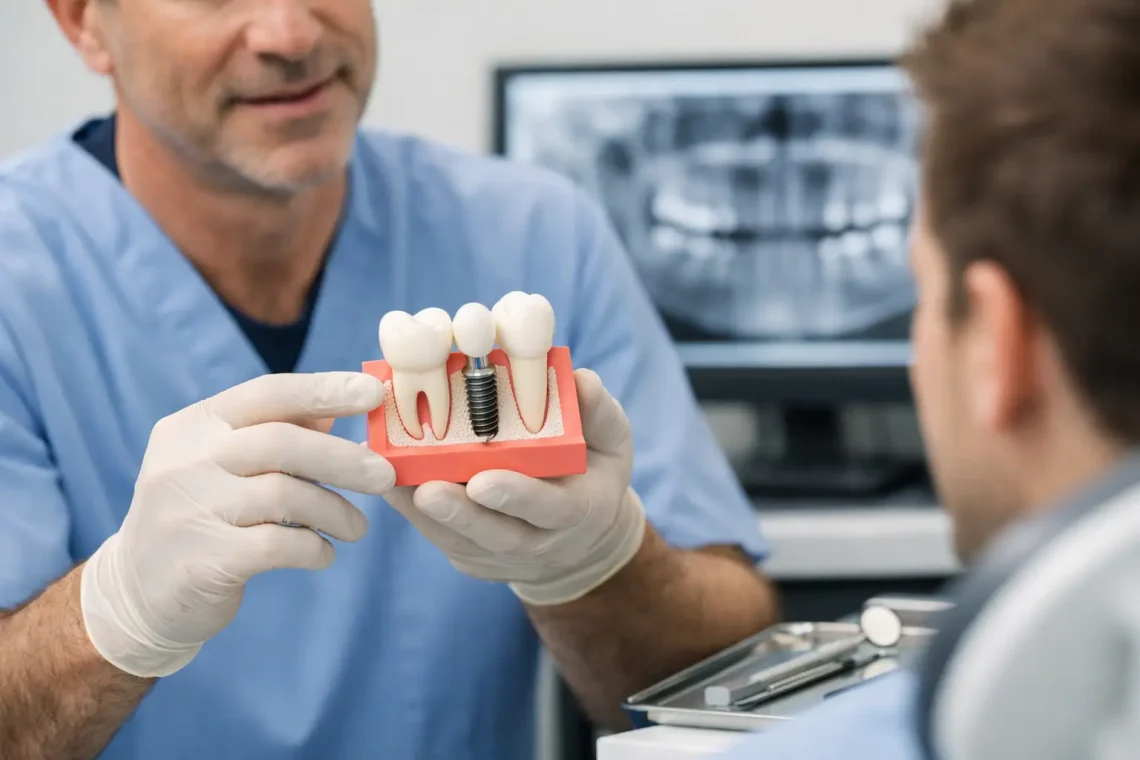
A specialist-focused implant team evaluates the details that can influence long-term success before treatment begins. This includes reviewing your medical and dental history, assessing existing teeth, evaluating the condition of the gums, and using digital imaging to understand the available bone. With in-house digital CT imaging, providers can see a three-dimensional view of the jaw rather than relying only on traditional two-dimensional X-rays.
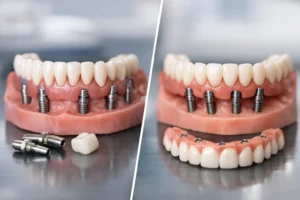
That information helps guide precise treatment decisions. For one patient, a single implant may be the right option after a tooth is lost. For another, an implant bridge, implant-supported denture, or full-mouth All-On-4 or All-On-X solution may better restore comfort and function. The best treatment is the one that fits your oral health, goals, timeline, and budget.
Why Planning Is the Foundation of a Strong Implant Result
The implant itself is only one part of the treatment. Careful planning determines where it should be placed, what type of restoration it will support, and how your bite should come together once treatment is complete.
When an implant is positioned thoughtfully, the final tooth can be designed to support comfortable chewing and natural speech while blending with the rest of your smile. Placement also needs to respect the surrounding bone, gums, neighboring teeth, and important anatomical structures. This is particularly valuable for patients replacing teeth in the visible smile zone or rebuilding an entire arch.
A detailed consultation should not feel rushed. It is your opportunity to ask direct questions about your options, expected treatment stages, healing needs, costs, and the type of final restoration recommended. You should understand whether you may need an extraction, bone grafting, temporary teeth, or a phased approach before committing to treatment.
Not everyone requires the same preparation. Some patients have enough healthy bone for implant placement without additional procedures. Others may benefit from bone grafting or healing time to create a stable foundation. A provider who explains these differences clearly is helping you make a decision based on your needs, not a generic sales pitch.
Specialist Implant Experience for Complex Tooth Loss
Replacing one missing tooth and rebuilding a full smile are very different clinical situations. A single-tooth implant usually focuses on restoring one gap without affecting the teeth beside it. Full-mouth treatment requires a broader view of jaw health, bite forces, facial support, and how several replacement teeth will function together.
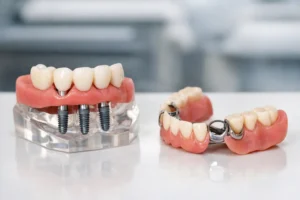
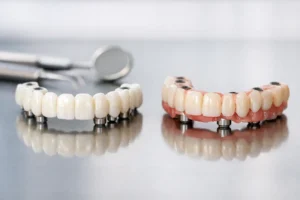
Patients who have worn removable dentures for years may be especially concerned about slipping, sore spots, difficulty eating, or the feeling that their dentures no longer fit as well as they once did. Implant-supported dentures can provide greater stability while still allowing a removable design in certain cases. For patients seeking a fixed full-arch solution, All-On-4 or All-On-X treatment may offer a path toward a more secure set of teeth supported by strategically placed implants.
These options have meaningful differences in cost, maintenance, treatment time, and the number of implants used. A fixed full-arch restoration can offer a strong sense of stability, but it also requires committed home care and regular professional maintenance. A removable implant-supported denture may be more budget-conscious for some patients, while still improving retention. The right choice depends on your priorities as well as your clinical needs.
Technology Helps, but Judgment Still Matters
Modern implant technology gives clinicians valuable tools for accuracy and communication. Digital CT scans can help evaluate bone volume and map important structures. Digital treatment planning can make it easier to discuss where implants may be placed and why a certain approach is recommended.
Technology is powerful, but it does not replace clinical judgment. Images must be interpreted in the context of your bite, health history, tissue quality, and long-term restorative plan. An experienced implant team uses technology to support decisions, not to make promises before your mouth has been properly evaluated.
This balance is especially reassuring for patients who have been told they are not candidates elsewhere. Limited bone, previous dental work, gum concerns, or multiple missing teeth do not automatically mean treatment is impossible. They do mean your consultation should be thorough. In some cases, a different implant design, additional preparation, or an alternative restorative option may be the safer choice.
Questions That Reveal the Quality of Implant Care
Before selecting a provider, pay attention to how clearly the office explains your treatment. A strong consultation should give you confidence without pressuring you to ignore reasonable questions.
Ask how your bone and bite will be evaluated, what imaging is used, and who will coordinate the surgical and restorative phases of care. Ask what your temporary teeth may be like, when you can expect the final restoration, and how follow-up visits will work. If you are considering full-mouth implants, ask how the team will evaluate your current denture, remaining teeth, gum health, and facial support.
Cost transparency matters as well. An advertised implant offer can be a helpful starting point, but your complete treatment needs may include the implant, abutment, crown, imaging, extraction, grafting, temporary restoration, or other services. Request a clear explanation of what is included and what may be recommended after your exam. Financing options and insurance acceptance can make care more manageable, but knowing the full plan helps you compare providers responsibly.
At California Dental Implants Specialists, the consultation process is designed to help patients understand their choices in straightforward terms, including affordable pathways such as the $699 dental implant offer when appropriate for the treatment plan.
The Human Side of Implant Treatment
Many people delay implant care because they feel embarrassed about missing teeth, anxious about dental procedures, or concerned that treatment will be unaffordable. Those concerns are real, and they deserve a compassionate response.
A patient-centered implant practice should explain what to expect before, during, and after treatment. You should know how to prepare, what recovery may involve, how to care for your implant, and when to contact the office with concerns. The goal is not to make every patient follow the same schedule. It is to give each person a clear path forward with appropriate support.
Healing also varies. Factors such as smoking, uncontrolled diabetes, gum disease, medications, bone condition, and oral hygiene can affect timing and candidacy. Being honest about these factors allows your provider to create a safer plan and give you realistic expectations. A reputable team will prioritize predictable, healthy results over rushing toward a result that is not properly supported.
Choosing Care That Supports Your Next Chapter
A dental implant can restore far more than a space in your smile. It can help you enjoy meals with less hesitation, speak more confidently, protect the balance of your bite, and move through the day without worrying about a loose denture or a visible gap.
The value of specialist implant experience is found in the details: thoughtful imaging, personalized planning, skilled treatment, clear costs, and a team that stays focused on your comfort and long-term oral function. If tooth loss is holding you back, a professional consultation can turn uncertainty into a plan that feels both clinically sound and financially achievable.