A dental implant is designed to feel stable, look natural, and help you eat and speak with confidence for many years. So when a patient hears that an implant can fail, it can feel discouraging. The good news is that most implant complications are preventable, treatable, or avoidable with the right diagnosis and treatment plan. Understanding why do implants fail can help you protect your investment in your smile and know when to seek care.
Why Do Implants Fail?
Dental implant failure happens when the implant does not properly bond with the jawbone, becomes loose after functioning well, or develops an infection that damages the surrounding bone and gum tissue. Failure can occur soon after placement or years later, and the cause is not always the implant itself.
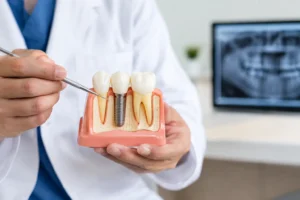
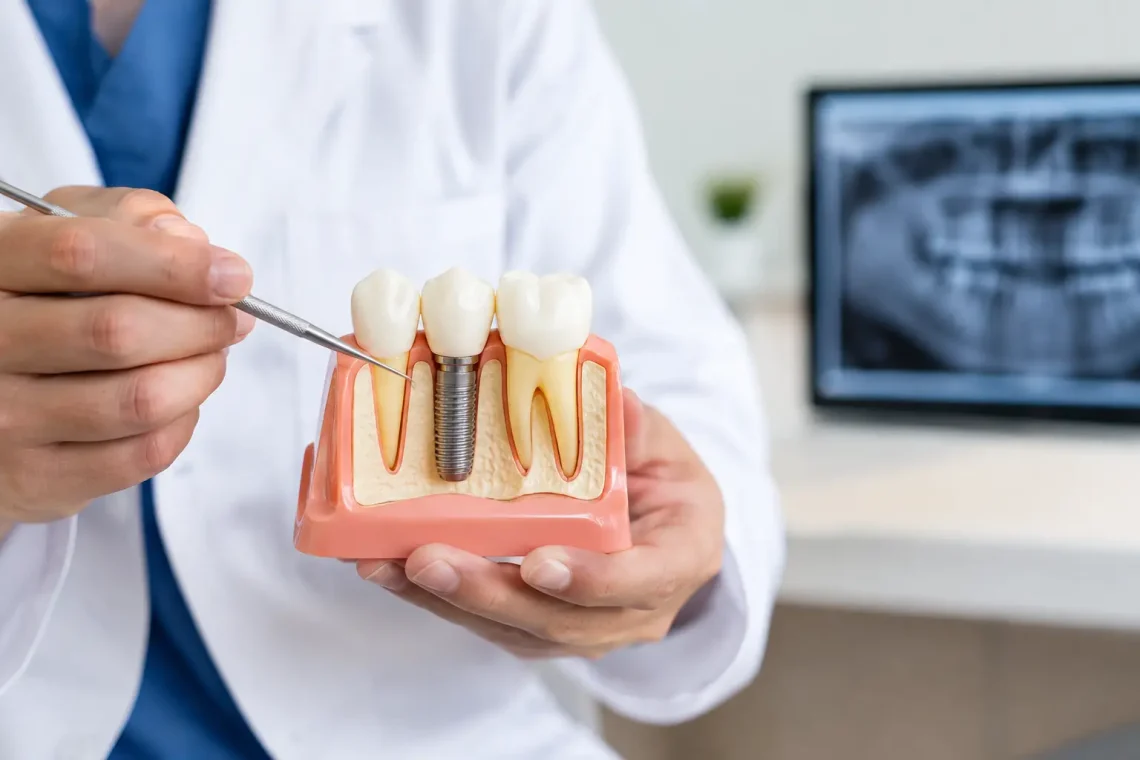
A dental implant has several parts: the titanium post placed in the jawbone, the connector that attaches to it, and the visible crown, bridge, or full-arch restoration. Sometimes the implant post is healthy but the crown becomes loose, chips, or needs adjustment. That is a repairable restoration issue, not necessarily implant failure.
True implant failure is less common when treatment is planned carefully and maintained properly. It is also not a reason to assume you are not a candidate for replacement teeth. A specialist can identify what went wrong and recommend a path forward based on your bone health, bite, medical history, and goals.
Early Implant Failure: When Healing Does Not Go as Planned
For an implant to succeed, it must fuse with the jawbone through a healing process called osseointegration. During the first several months after placement, the bone gradually grows around the implant and creates the stable foundation needed to support a new tooth.
If this bond does not form, the implant may feel mobile, uncomfortable, or unable to support a final restoration. Early failure may result from infection, insufficient bone volume, excessive pressure on the implant before it has healed, or compromised blood flow to the area.
Smoking and nicotine use can be especially harmful during healing because they restrict blood flow and interfere with the body’s ability to repair tissue. Poorly controlled diabetes, certain medications, immune system conditions, and untreated gum disease can also affect healing. These factors do not automatically rule out implants, but they require more careful planning and coordination with your healthcare providers.
Precise treatment planning matters. Modern 3D CT imaging allows an implant team to evaluate bone density, nerve locations, sinus anatomy, and the ideal position for each implant before surgery. This helps reduce avoidable risks and supports a more predictable result.
Late Implant Failure: Infection and Bone Loss Around the Implant
An implant may function well for years and then develop problems later. One of the most common causes is peri-implantitis, an inflammatory infection around the implant. It is similar to gum disease around natural teeth, but it can progress quickly because it affects the bone that holds the implant in place.
Plaque and bacteria can collect around an implant when daily cleaning is difficult or professional maintenance is delayed. Over time, the gums may become swollen or bleed, pockets can form around the implant, and the supporting bone may begin to shrink. As bone loss progresses, the implant can lose stability.
Warning signs of peri-implantitis include bleeding when brushing, tenderness, swelling, a bad taste, pus near the gumline, recession that exposes more of the implant, or a change in how the restoration fits. Pain is not always present, which is why regular exams remain important even when your implant feels fine.
Early intervention can make a meaningful difference. Depending on the extent of infection and bone loss, treatment may include professional cleaning, improved home-care techniques, treatment of inflammation, restoration adjustments, or surgical care to restore a healthier foundation.
Bite Pressure Can Overload an Implant
Implants are strong, but they do not have the same cushioning ligament that natural teeth have. That means the bite must be designed carefully, especially when an implant supports a bridge, a full-arch restoration, or a patient who clenches or grinds their teeth.
Excessive bite force can loosen screws, fracture porcelain, damage the restoration, or place repeated stress on the bone around the implant. In some cases, it can contribute to implant failure over time. Grinding often happens during sleep, so many patients do not realize it is occurring.
A custom nightguard may be recommended for patients with clenching or grinding habits. Regular bite checks also matter because your bite can change as natural teeth shift, restorations wear down, or dental work is completed elsewhere. Protecting an implant means protecting the entire bite, not just one tooth.
Poor Planning Can Create Long-Term Problems
A dental implant is not a one-size-fits-all procedure. The right implant size, position, angle, and restoration design depend on the individual patient. Placing an implant without adequate bone, too close to another tooth, or in a position that is difficult to clean can raise the risk of future complications.
This is particularly important for full-mouth treatment. A successful All-On-4 or All-On-X restoration requires more than placing implants. The treatment team must consider jaw structure, bite force, facial support, speech, smile design, hygiene access, and long-term maintenance.
Patients should also understand that affordability and quality can work together, but treatment should never be reduced to a price alone. A clear treatment plan, appropriate imaging, experienced surgical care, and a restoration designed for your bite are all part of creating lasting value.
What to Do If You Think an Implant Is Failing
Do not wait for severe pain. A loose implant, bleeding gums, swelling, pressure when chewing, or a restoration that suddenly feels different should be evaluated promptly. The earlier a problem is identified, the more options may be available to protect the implant or surrounding bone.
Your provider will typically examine the gums, test the stability of the implant and restoration, review your bite, and take imaging to look for bone changes or infection. Sometimes the issue is as simple as a loose crown screw or a worn restoration. Other times, the implant may need more involved treatment.
If an implant must be removed, that does not mean your chance for a successful replacement is gone. The area may need time to heal, and some patients benefit from bone grafting before another implant is placed. A carefully timed replacement plan can provide a strong new foundation.
How to Help Your Dental Implants Last
Daily care is simple, but it must be consistent. Brush thoroughly twice a day, clean between teeth and around the implant using the tools recommended by your dental team, and keep up with professional cleanings and examinations. For full-arch restorations, specialized brushes or water flossing devices may make it easier to clean beneath the bridge.
Avoid smoking or nicotine use, manage health conditions such as diabetes, and wear a nightguard if you grind your teeth. Most importantly, keep your follow-up visits even if your implant feels completely normal. These appointments give your dental team a chance to spot inflammation, bite changes, or restoration wear before they threaten the stability of your smile.
A dental implant should give you more freedom at meals, clearer speech, and the comfort of a secure smile. If something does not feel right, a timely consultation can replace uncertainty with a clear, compassionate plan for protecting your oral health.