A tooth extraction can feel like the end of a difficult chapter, especially if pain, infection, or a broken tooth has been affecting your daily life. It can also be the right moment to plan a stronger replacement. The best implant options after extraction depend on the condition of your jawbone, the location of the missing tooth, your overall health, and how many teeth need to be replaced. A personalized implant consultation turns those details into a clear path forward.
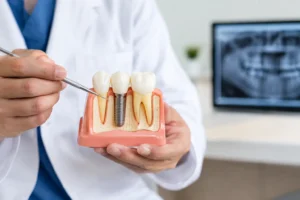
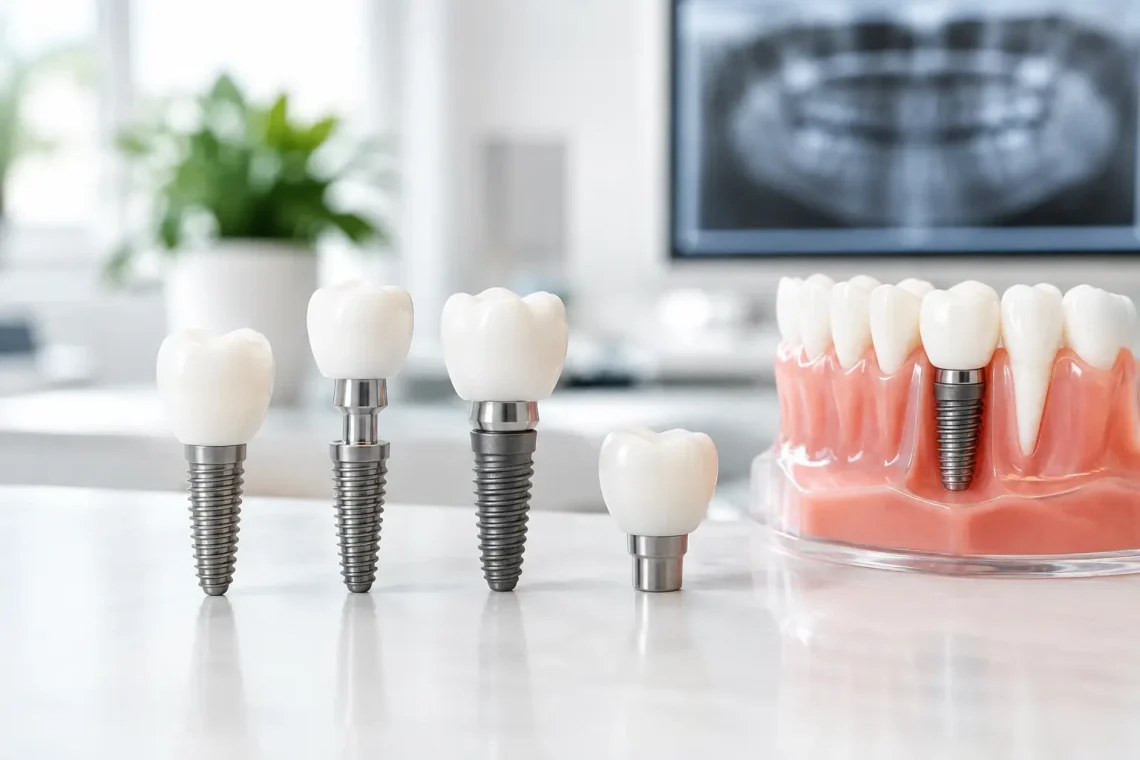
Dental implants are designed to replace more than the visible part of a tooth. The implant post replaces the root beneath the gumline, helping support the jawbone while giving a crown, bridge, or full-arch restoration a stable foundation. For many patients, that means more comfortable chewing, clearer speech, and the confidence of a smile that feels secure.
Why Timing Matters After a Tooth Extraction
After a tooth is removed, the bone that once supported it can begin to shrink. This natural process may affect the shape of the gumline and, over time, make implant placement more complex. Replacing a missing tooth promptly can help preserve the area, but prompt does not always mean immediate.
Some extraction sites are healthy enough for an implant to be placed on the same day. Others need time to heal, particularly when there is significant infection, bone loss, gum disease, or damage to the surrounding bone. In some cases, bone grafting is recommended to rebuild a stronger foundation before the implant is placed.
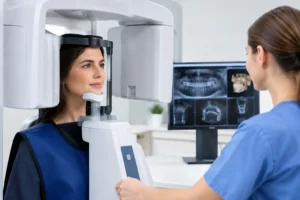
The right timing is determined with a clinical exam and digital CT imaging. This 3D view allows the implant specialist to evaluate bone volume, nerve locations, sinus position in the upper jaw, and the ideal angle for precise implant placement. It replaces guesswork with planning tailored to your mouth.
Best Implant Options After Extraction
There is no single implant solution that is best for everyone. The right option should fit your health needs, restore the way you eat and speak, and make sense for your long-term goals.
Immediate Implant Placement
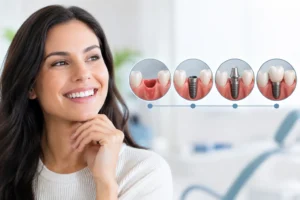
An immediate implant is placed during the same appointment as the extraction. When appropriate, this approach can reduce the number of surgical visits and help preserve the bone and soft-tissue contours around the tooth. It is often considered for a front tooth or a single tooth in a visible area, where protecting the natural look of the gumline matters.
However, immediate placement is not automatically the fastest or safest choice. The extraction site must have adequate healthy bone for stability, and active infection or severe bone damage may change the plan. Some patients receive a temporary tooth on the day of treatment, while others need a short healing period before a final restoration is placed. The final crown is typically made after the implant has integrated with the bone.
Delayed Implant Placement After Healing
With delayed placement, the extraction site is allowed to heal before the implant is placed. Healing may take several weeks or months, depending on the reason for extraction and whether grafting is needed. While waiting may sound inconvenient, it can create a more predictable result when the site needs time to recover.
This option is commonly recommended after an extraction involving infection, a fractured root, advanced gum disease, or limited bone support. A temporary replacement, such as a removable partial or temporary bridge, may be used during healing when appropriate. Once the site is ready, the implant is placed and allowed to bond with the bone before the final crown is attached.
Single-Tooth Dental Implant
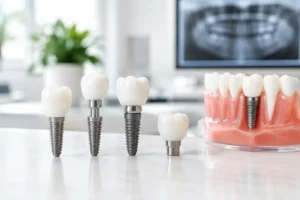
A single-tooth implant is often the closest replacement to a natural tooth when only one tooth is missing. It includes an implant post, an abutment that connects the components, and a custom crown designed to blend with nearby teeth.
Unlike a traditional bridge, a single implant does not require shaping the healthy teeth beside the gap. It also provides stimulation to the jawbone where the root was lost. For patients missing a molar, premolar, or front tooth, this treatment can restore comfortable chewing and a natural-looking smile without relying on adjacent teeth for support.
Implant-Supported Bridge
When two or more neighboring teeth are missing, an implant-supported bridge may be a more efficient option than placing one implant for every missing tooth. The bridge is anchored to strategically placed implants rather than resting on natural teeth or removable clasps.
This approach can restore several teeth with a stable, fixed solution. It may be especially useful when a traditional bridge would require extensive work on otherwise healthy teeth. The number and placement of implants depend on the location of the missing teeth, bite forces, bone quality, and the length of the bridge.
Implant-Supported Dentures
For patients missing most or all of their teeth, implant-supported dentures offer a major improvement over loose conventional dentures. A removable overdenture snaps securely onto implants, helping reduce slipping, clicking, and movement while eating or speaking.
This option can be a practical step for patients who want greater stability but prefer a removable restoration for cleaning or budget reasons. It also supports the jaw more effectively than a traditional denture alone. The number of implants needed varies by arch and the type of restoration selected.
All-On-4 or All-On-X Full-Arch Implants
All-On-4 and All-On-X treatments are designed for people who need to replace an entire upper or lower arch of teeth. A full, fixed bridge is supported by a carefully planned number of implants, often placed at angles that maximize available bone. For qualified candidates, this can reduce the need for extensive grafting and provide a secure, non-removable set of teeth.
Many full-arch patients may receive a temporary fixed bridge on the day of surgery, allowing them to leave with teeth in place while healing occurs. The final bridge is created later, after the implants have integrated and the bite has been refined. This is a life-changing option for patients struggling with failing teeth, unstable dentures, or extensive tooth loss, but it requires careful planning, consistent home care, and routine professional maintenance.
When Bone Grafting May Be Part of the Plan
Bone grafting is not a failure or a setback. It is a preparatory treatment used to create enough stable bone for a lasting implant result. A graft may be placed at the time of extraction to preserve the socket, or it may be completed later if the ridge has already lost significant volume.
The upper back jaw can present another concern: the sinus cavity may sit close to the area where an implant is needed. A sinus lift may be recommended to create sufficient vertical bone for an upper molar or premolar implant. These procedures add time to treatment, but they may protect the long-term strength and position of the restoration.
Choosing the Right Option for Your Lifestyle and Budget
The best treatment is not simply the one with the shortest timeline. It is the option that protects your oral health, restores reliable function, and works with your personal priorities. A single missing tooth has different needs than a full arch of failing teeth, and the lowest upfront cost is not always the lowest long-term cost if a restoration needs frequent replacement or repair.
During a consultation, ask how many implants are recommended, whether grafting is needed, what type of temporary tooth you will have, and what maintenance your final restoration requires. You should also receive a clear explanation of treatment phases, expected healing time, insurance considerations, and financing options. California Dental Implants Specialists uses in-house digital CT imaging and consultation-driven planning to help patients understand their choices before moving forward.
Smoking, uncontrolled diabetes, active gum disease, teeth grinding, and certain medical conditions can influence implant treatment. These factors do not always rule out implants, but they may affect timing, healing, and the type of restoration recommended. Honest medical and dental history helps your implant team plan safely.
A missing tooth does not have to dictate what you eat, how you speak, or how freely you smile. The next helpful step is a professional evaluation that gives you answers specific to your mouth, so you can choose a replacement built for comfort, confidence, and lasting daily function.