A loose denture can turn a simple meal or conversation into a source of stress. If you are asking, “are implants better than dentures,” the honest answer is that implants are often the stronger long-term solution for comfort, stability, and oral health. But the right choice still depends on your jawbone, medical history, treatment goals, timeline, and budget.
For many Southern California patients, the decision is not just about replacing teeth. It is about eating with confidence, speaking without worrying that a denture will move, and feeling like themselves again. Understanding the practical differences can make the next step feel much clearer.
Are Implants Better Than Dentures for Everyday Life?
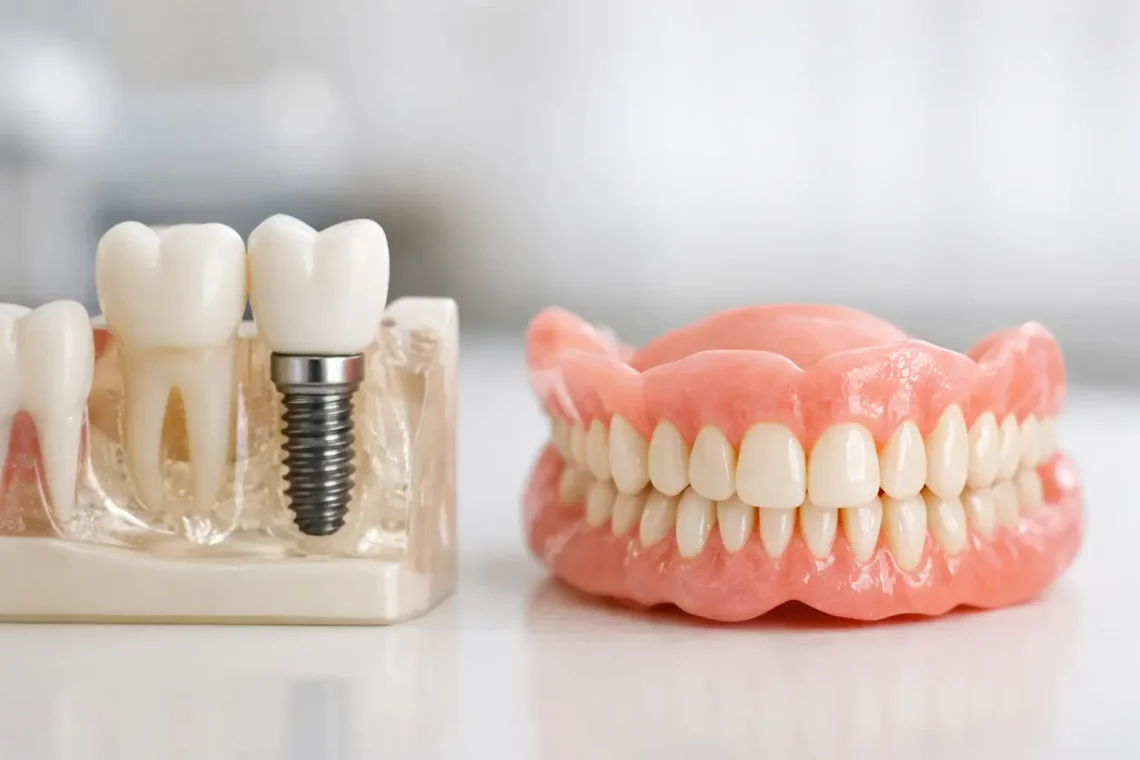
Traditional dentures sit on top of the gums. They can replace missing teeth and restore the appearance of a smile, but they rely on suction, natural gum contours, adhesives, or metal clasps to stay in place. Even a well-made denture can shift slightly while eating, laughing, or speaking.
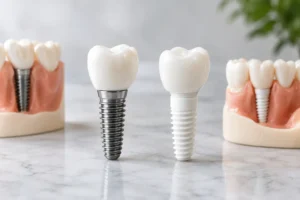
Dental implants work differently. A small titanium post is placed in the jawbone to act like a tooth root. Once it has healed and integrated with the bone, it can support a crown, bridge, or a full arch of replacement teeth. Because the restoration is anchored to implants, it does not rest loosely on the gums.
That stability changes daily life. Implant patients often report that food is easier to chew, speech feels more natural, and they no longer need to plan meals around what their dentures can handle. A fixed implant bridge or full-mouth implant restoration is cared for much like natural teeth. Implant-supported dentures may still be removable for cleaning, but they snap securely onto implants and offer far more retention than a conventional denture.
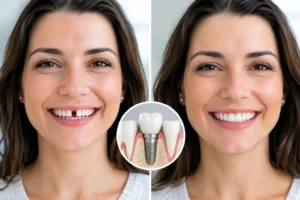
For someone missing one tooth or a few teeth, a dental implant can also replace the missing tooth without relying on neighboring teeth for support. A traditional bridge may be appropriate in some cases, but it usually requires reshaping adjacent healthy teeth.
The Biggest Difference: Jawbone Support
When a tooth is lost, the bone that once supported its root no longer receives normal chewing stimulation. Over time, that area of the jaw can shrink. This process may affect facial support, change the fit of dentures, and make future tooth replacement more complicated.
Dentures restore visible teeth, but they do not stimulate the jawbone beneath them. This is why many denture wearers need periodic adjustments, relines, or replacement dentures as their gums and bone change shape.
Implants transfer chewing forces to the jawbone, helping preserve bone in the areas where they are placed. They cannot reverse every effect of long-term bone loss, but they are the only tooth replacement option designed to replace the function of a natural tooth root. For patients who have worn dentures for years, a CT scan can show whether enough bone remains for implants and whether bone grafting may be beneficial.
Comfort, Appearance, and Confidence
A properly fitted denture can look attractive and feel comfortable at first. Yet pressure points, gum irritation, adhesive use, and movement are common concerns over time. The upper palate of a full denture can also cover part of the roof of the mouth, which some patients find affects taste and comfort.
Implant-supported restorations are designed around your bite, facial proportions, and smile. Fixed full-mouth options such as All-On-4 or All-On-X use a strategic number of implants to support a full arch of teeth. Because the teeth are secured to implants, the restoration can often be slimmer and feel closer to natural teeth than a removable denture.
The emotional difference matters, too. Patients who have spent years hiding their smile or avoiding restaurants may be looking for more than a cosmetic change. Secure teeth can make it easier to accept invitations, speak in meetings, take photos, and enjoy familiar foods without second-guessing every bite.
Cost: The Upfront Price Is Not the Whole Story
Dentures usually cost less upfront than implants. For someone who needs an immediate, lower-cost way to replace teeth after extractions, they can be a practical starting point. They are also non-surgical, which may make them appropriate for patients who cannot or do not want to undergo implant treatment.
Implants require a greater initial investment because treatment includes planning, imaging, surgery, components, and the final restoration. If extractions, bone grafting, or sedation are needed, those factors can also affect the total treatment plan.
Still, comparing price alone can miss the full picture. Traditional dentures often need adhesives, repairs, relines, and replacement as the mouth changes. Implants are intended as a durable long-term solution, although the visible crown, bridge, or denture may eventually need maintenance or replacement. Good home care and regular dental visits are essential to protect the investment.
Affordable treatment should never mean rushed treatment. At California Dental Implants Specialists, a consultation can clarify which options fit your needs, including implant solutions, insurance acceptance, and financing choices. A clear plan should explain what is included, what additional care may be needed, and what outcome you can reasonably expect.
When Dentures May Be the Better Choice
Implants are not automatically the best choice for every person. Dentures may be appropriate when surgery is not advisable because of certain health conditions, when bone loss is extensive and a patient does not want grafting, or when a patient needs a fast provisional solution while planning for future treatment.
Some patients simply prefer a removable option. Others need time to prepare financially for implants. There is no shame in choosing a denture that meets your current needs. The key is having an honest discussion about how it will function, what maintenance it requires, and whether it leaves room for an implant upgrade later.
A middle ground is often available. Implant-supported dentures use a few implants to anchor a removable denture more securely. This can reduce slipping and improve chewing while generally costing less than a fully fixed full-arch restoration. For many patients, it offers a meaningful improvement without committing to the highest level of implant treatment.
What the Implant Process Usually Looks Like
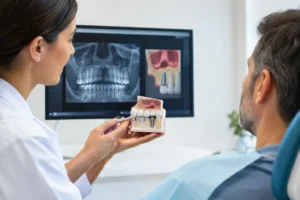
The first step is a comprehensive consultation and digital CT scan. This gives the implant team a three-dimensional view of the jawbone, nerve pathways, sinuses, and available space for restoration planning. It is how treatment becomes precise rather than based on guesswork.
If implants are appropriate, the teeth may be removed and implants placed in the same visit in some cases. Other patients need healing time or preparatory care before placement. After the implants integrate with the jawbone, the final crown, bridge, or full-mouth restoration is created to fit your bite and smile.
The timeline varies widely. A single implant may take several months from placement to final crown, while full-mouth treatment can sometimes include a temporary set of teeth much sooner. Your provider should explain the timeline in plain language and help you understand what each stage involves.
How to Make the Right Decision
The best question is not simply whether implants are better than dentures. It is: what solution will let you eat, speak, smile, and protect your oral health in a way that fits your life?
If your denture is slipping, causing sore spots, limiting your food choices, or making you feel self-conscious, you do not have to keep adapting to it. A personalized implant consultation can show you what your jaw can support and whether a single implant, implant bridge, implant-supported denture, or full-mouth restoration could give you a more secure path forward. The right treatment begins with a conversation that respects both your goals and your budget.