If loose dentures make restaurant meals stressful, missing teeth affect the way you speak, or you have been told that several teeth cannot be saved, you are likely looking for more than a cosmetic fix. You want to know whether full-mouth implants can truly restore daily comfort and confidence. This all on 4 review explains what patients should realistically expect, where the treatment can make a meaningful difference, and what to consider before making a decision.
What All-on-4 Treatment Actually Does
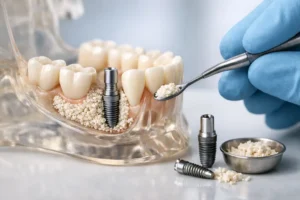
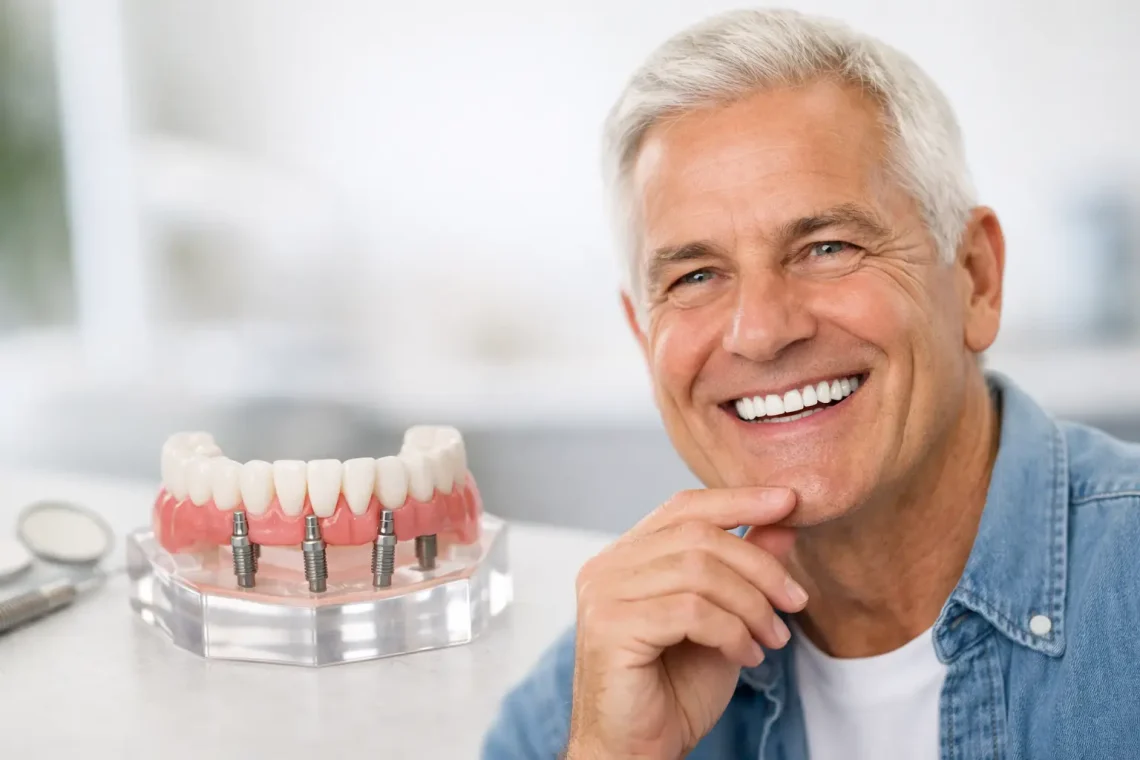
All-on-4 is a full-mouth tooth replacement approach that uses four strategically placed dental implants to support a fixed arch of new teeth. Instead of replacing every missing tooth with a separate implant, the implants serve as a stable foundation for a full upper or lower set of teeth.
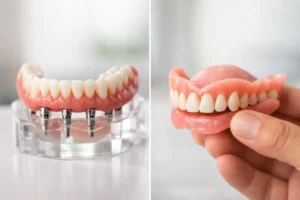
The key word is fixed. Unlike a traditional removable denture, an implant-supported All-on-4 bridge is secured to the implants by a dental professional. It does not shift when you talk, laugh, or chew. For many people who have spent years managing adhesives, sore spots, and denture movement, that stability is the part of treatment that changes everyday life.
In some cases, the back implants are placed at an angle. This can help a qualified implant specialist use available bone more efficiently and may reduce the need for bone grafting. It is not a shortcut or a one-size-fits-all solution. Your bone quality, gum health, bite, medical history, and treatment goals all matter.
All on 4 Review: The Benefits Patients Notice
The strongest patient feedback often centers on function, not simply appearance. A well-planned full-mouth implant restoration can make it easier to eat a broader range of foods, speak with less concern about denture movement, and smile without trying to hide missing teeth.
Patients also appreciate that their replacement teeth are designed to look proportional to their face and feel more natural than a loose appliance. When teeth are lost, the jawbone can gradually shrink over time, which may change facial support. Dental implants help stimulate the bone where they are placed, although they cannot reverse every change that has already occurred.
Another frequent advantage is convenience. Fixed teeth are cared for by brushing, using the cleaning tools recommended by your provider, and attending regular maintenance visits. You do not remove them at night or soak them in a cup. That said, fixed does not mean maintenance-free. The areas around implants must be cleaned carefully to protect the gums and supporting bone.
For patients facing multiple extractions, All-on-4 can also offer a more efficient path than replacing teeth one at a time. Depending on the case, temporary teeth may be placed on the day of surgery or shortly afterward. This is often called immediate loading, but it depends on whether the implants achieve sufficient stability and whether your bite can be managed safely during healing.
Who May Be a Good Candidate?
All-on-4 is commonly considered by people with many missing, damaged, worn, or failing teeth. It may also be appropriate for denture wearers who are tired of instability and want a more permanent alternative. Patients who have advanced decay, gum disease, repeated dental infections, or teeth that cannot be predictably restored may benefit from discussing a full-mouth implant plan.
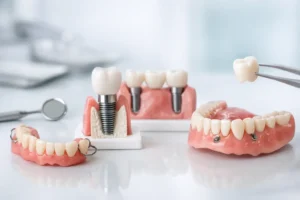
A consultation should answer more than whether implants are possible. It should address whether they are the right choice for you. Some patients are better served by saving healthy natural teeth, receiving a bridge, or choosing implant-supported dentures that can be removed for cleaning. The best recommendation is the one that protects your health, fits your goals, and makes financial sense over the long term.
Smoking, uncontrolled diabetes, active gum disease, severe teeth grinding, and certain medical conditions can affect healing and implant success. These factors do not automatically rule out treatment, but they deserve an honest conversation. A provider who promises the same outcome for every patient is not giving you the individualized care a full-mouth case requires.
What the Treatment Process and Recovery Feel Like
Your process should begin with a detailed evaluation, including digital CT imaging. A 3D scan allows the implant team to assess bone volume, identify important anatomical structures, and plan implant placement with greater precision. You should also receive a clear explanation of the proposed teeth, the timeline, and what is included in your treatment plan.
If extractions are needed, they may be completed during the implant procedure. Sedation options can help many anxious patients feel more comfortable. After surgery, swelling, tenderness, and fatigue are common for several days. Most people can manage recovery with prescribed or recommended medications, rest, and a soft-food diet.
The early healing period requires patience. Even if you leave with temporary teeth, you may need to avoid hard, crunchy, sticky, or chewy foods while your implants integrate with the bone. Your final bridge is typically made after healing and after your provider confirms that the implants are stable. Rushing this stage can compromise the result.
A final prosthesis is custom-designed for appearance, speech, bite, and durability. Small adjustments may be needed as you adapt. This is normal. Full-mouth implant treatment is a process, and attentive follow-up is part of receiving a comfortable, lasting result.
Costs, Value, and What to Ask About Pricing
When reading an All on 4 review, be careful with price comparisons that do not explain what is included. A quoted fee may cover only implant placement, while another may include extractions, temporary teeth, final teeth, imaging, sedation, follow-up visits, and warranty or maintenance terms. Comparing a single number without the details can lead to surprises later.
The cost also varies based on whether one or both arches need treatment, the condition of your jawbone, the material selected for the final bridge, and the complexity of your case. Insurance may contribute toward certain portions of treatment, depending on your plan. Financing can make care more manageable by spreading costs into monthly payments.
Affordable treatment should still include thorough planning and quality materials. The goal is not merely to find the lowest initial price. It is to choose a team that can provide a restoration built for everyday chewing, predictable follow-up, and long-term oral health.
Questions That Make a Review More Useful
Before choosing a provider, ask questions that reveal how they approach your specific case. A meaningful consultation should make you feel informed, not pressured.
- Will you use a 3D CT scan to plan my implant placement?
- What type of temporary and final teeth are included in my treatment plan?
- What happens if I need bone grafting, extractions, or additional treatment?
- How will you manage my bite and protect my implants if I grind my teeth?
- What maintenance visits and cleaning routine will I need after treatment?
- Who will be available if I have a concern during recovery?
Look for answers that are clear and specific. Before-and-after photos can be helpful, but your outcome should not be based on another patient’s anatomy or healing. A trustworthy implant team will explain both the benefits and the responsibilities that come with fixed full-mouth teeth.
For Southern California patients, California Dental Implants Specialists provides consultation-driven planning, in-house digital imaging, financing options, and compassionate support from the first conversation through follow-up care. The right next step is a personal evaluation where your health, comfort, and goals can be considered without guesswork.